

Different Military Response by Iran to a Possible U.S. Attack / Targets Beyond Military Assets Raised
Rokna Political Desk: From Iran’s perspective, in the event of any potential U.S. attack or aggression, the war would take on a regional dimension and Iran’s response would differ from its reaction to the 12-day war aggression.
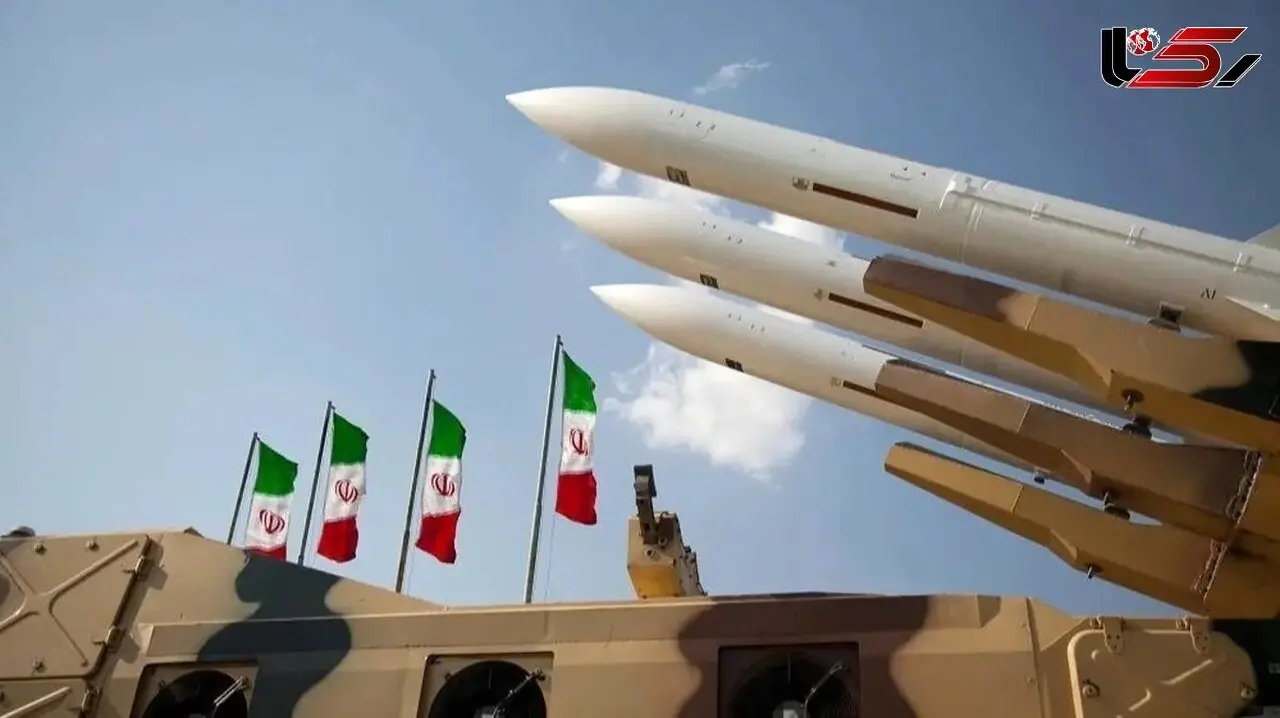
According to Rokna, the Supreme Leader of the Islamic Revolution, Ayatollah Khamenei, during a ceremony commemorating the anniversary of the historic return of Imam Khomeini (may God have mercy upon him) to Iran and the beginning of the Ten Days of Fajr celebrations, referred to the possibility of a new war and stated: “If the Americans start a war this time, this war will not be limited solely to the region.”
Analyses on Iran’s Defensive Strategy
According to international reports, changes are being observed in Iran’s defensive strategy. Some Western experts believe that developments such as Israel’s recent attacks on Resistance Front forces indicate that the war is moving away from Iran’s borders and entering a territorial phase.
Under the “forward defense” strategy, Iran uses proxy forces, ballistic missiles, guerrilla naval tactics, and cyber technologies to confront threats before they reach its soil. This strategy depends on maintaining the country’s defensive depth, but recent developments may create the necessity to review it.
Iran’s Response to U.S. Threats
The foundation of Iran’s response to new U.S. threats goes beyond legitimate defense limited to retaliation after an attack. The Speaker of Parliament, Mohammad Bagher Ghalibaf, warned that Iran’s targets in response to any military action would not only include American military bases and ships, but also the territorial depth of the Zionist regime. He emphasized that Iran would respond to tangible signs of threats and that any miscalculation would carry heavy consequences for the United States and its allies.
Statement of the Defense Council and Principles of Deterrence
The Defense Council also issued a statement declaring that pursuant to Article 51 of the United Nations Charter, Iran has the right to legitimate self-defense. It was also announced that Iran is not limited to responding only after action is taken, and hostile behavior could entail decisive and determining consequences.
Iran also has the capability to strike key facilities of regional countries, including hosts of U.S. bases in the Persian Gulf, such as Saudi Arabia and Qatar. These capabilities have caused widespread concern among these countries.
Economic Impacts and Energy Security
Analysts believe that the threat to close the Strait of Hormuz or reduce oil exports could lead to extensive economic impacts and increased global inflation. The Navy of the Islamic Revolutionary Guard Corps, by conducting large-scale exercises and implementing smart blockades, has demonstrated its capability to control this vital waterway.
These actions have a direct impact on the global energy market, and the capability of intelligently targeting the region’s economic infrastructure also indicates Iran’s high level of capacity.
High Cost of War for the United States
According to Israeli media reports, advisers to the U.S. government have warned Donald Trump that a military attack on Iran may lack sufficient effectiveness to break the foundations of Iran’s system. The United States may also lack the ability to confront Iran’s extensive response. As a result, Trump’s first option is to attempt an agreement, although limited strikes to exert pressure on Iran have also been raised.
Iran’s Broad Response to Limited Attacks
In the event of any military attack, Iran will adopt an approach beyond its current symbolic response. Analysts predict that Iran’s actions may include disrupting the global energy market and attacking U.S. and Israeli interests.
Vali Nasr and other analysts have emphasized that Iran will likely act far beyond expectations in response to U.S. attacks in order to impose heavy costs on Washington and its allies.
Expansion of the Level of Deterrence
Some domestic figures in Iran have referred to another level of deterrence that could also include non-military targets. Hamidreza Moghadamfar, cultural adviser to the IRGC, stated that Trump’s personal assets and those of his associates in the region could become targets.
This approach indicates Iran’s flexibility in defining deterrence targets, which would expand to all of its enemies’ capabilities, from military to economic.
Send Comments