

Norway Builds World’s Longest and Deepest Undersea Road Tunnel
Rokna Economy Desk: Norway, by beginning construction of the Rogfast undersea road tunnel, is seeking to build the world’s longest and deepest undersea tunnel — a project that will make travel between the country’s western coastal cities faster and safer.
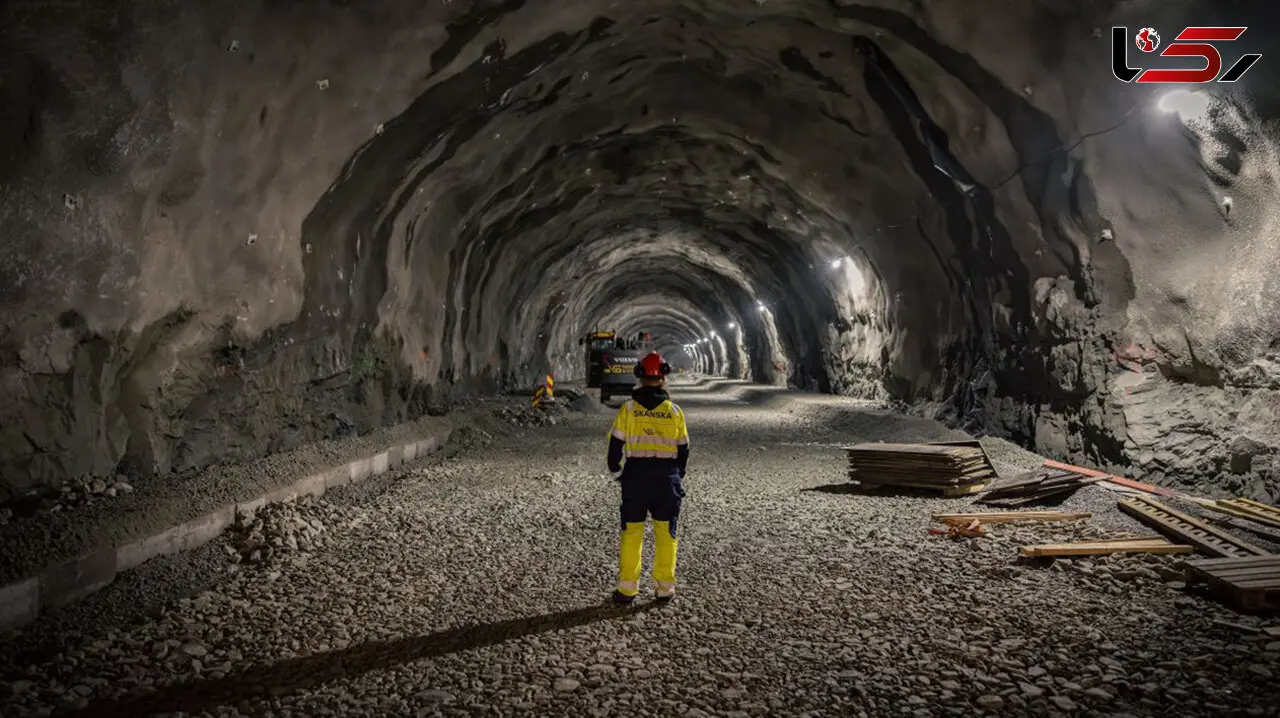
According to Rokna, citing reputable outlets, Norway is undertaking one of the most ambitious infrastructure projects in its history: the construction of a new undersea road tunnel that will become the longest and deepest of its kind in the world. Known as Rogfast, the tunnel is being carved beneath the fjords on the country’s west coast and promises to transform travel and commerce along the region’s coastal highway.
Key Facts and Purpose
-
The Rogfast tunnel will stretch approximately 26.7 kilometres, making it longer than any existing subsea road tunnel globally.
-
Its deepest point will lie about 390–392 metres below sea level.
-
The tunnel is part of the broader coastal highway route known as E39, which runs along Norway’s western coastline.
-
Upon completion — currently scheduled for 2033 — Rogfast will dramatically reduce travel time between major cities, cutting the driving time between Stavanger and Bergen by about 40 minutes.
By eliminating the need for ferry crossings along this stretch, Rogfast is poised to improve reliability, efficiency, and connectivity, benefiting daily commuters, freight transport, and tourism alike.
Engineering Highlights and Innovation
Rogfast is not simply a long tunnel — its design incorporates advanced engineering to handle the challenging conditions of deep‑sea tunnelling:
-
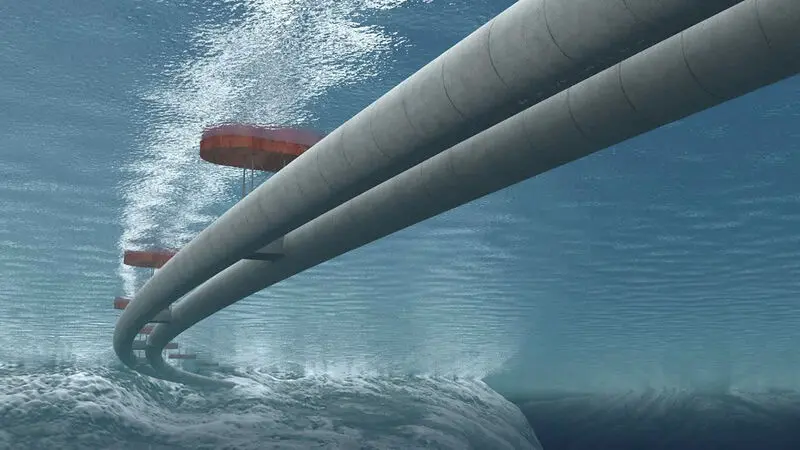
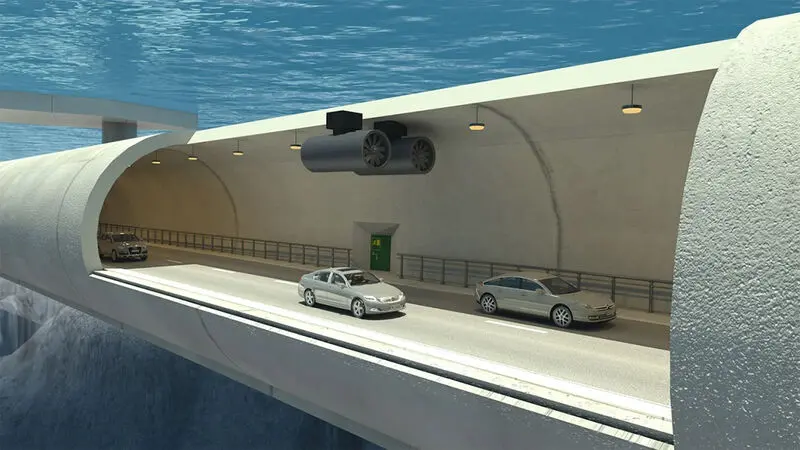
The tunnel will consist of dual tubes, each carrying two lanes of traffic, ensuring smooth and safe flow of vehicles.
-
At one point beneath the small island of Kvitsøy, a unique junction will be built: two roundabouts located around 260 metres below sea level — an unprecedented feature for subsea tunnels.
-
The construction method involves drilling and blasting directly through solid bedrock, a technique that ensures long‑term stability and resilience under massive underwater pressure.
-
Modern digital monitoring and tunneling intelligence tools are being used to manage excavation, safety, and logistics in real time.
-
Significance for Norway’s Infrastructure
The Rogfast tunnel represents a key pillar of Norway’s long-term plan to modernize its coastal motorway network and reduce reliance on ferries, whose schedules and capacity are often disrupted by weather.
Officials believe the tunnel will benefit multiple sectors:
-
Freight and trade: By providing a faster, more reliable route for trucks carrying seafood and other goods to market, the tunnel could boost supply-chain efficiency and reduce transit times.
-
Daily commuters and residents: Shorter travel times between cities like Stavanger and Bergen can significantly improve quality of life for workers who commute or travel frequently.
-
Tourism: Norway’s west coast, renowned for its fjords and natural landscapes, may see increased tourist traffic as road travel becomes faster and more convenient.
Timeline, Cost and Status
Construction of Rogfast began in 2018, and the project is now approximately halfway complete.
The estimated cost of the tunnel alone runs into billions of Norwegian kroner, reflecting the massive scale and complexity of the undertaking.
The expected completion date is 2033, at which point Rogfast will officially claim the title of the world’s longest and deepest subsea road tunnel — a landmark engineering achievement for Norway.
Send Comments