

CNN: Trump Openly Intervenes in Domestic Politics of Other Countries
Rokna Political Desk: An American news network has examined the overt interventions of the U.S. president in the domestic affairs of other nations.
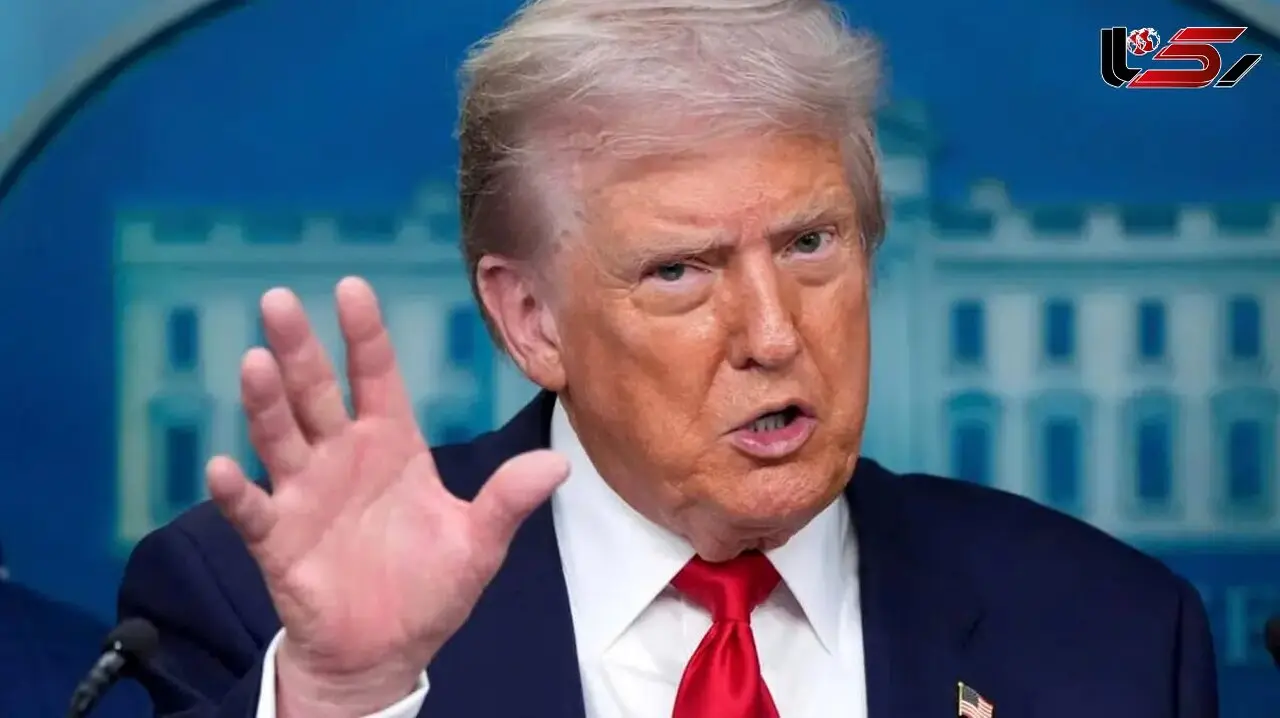
According to Rokna, citing CNN, during his second term, Donald Trump has crossed the traditional boundaries of U.S. foreign policy more than ever before, openly engaging in the internal politics of other countries. Critics describe this approach as an attempt to “megaficate” the world and export a global version of American populist nationalism.
Trump’s Open Intervention in Domestic Affairs
While previous U.S. presidents generally adhered—at least outwardly—to the principle of non-intervention in the internal affairs of other nations, Trump has set aside this unwritten rule. He not only supports specific candidates abroad but also leverages economic, political, and even military tools to shape political outcomes in line with his preferences.
Open Support for Ideological Allies
Trump views himself as the leader of a global movement founded on nationalism, opposition to mass immigration, weakening liberal institutions, and prioritizing “America First.” Within this framework, he supports leaders and parties that either openly praise him or align ideologically with the “America First” project. From Latin America to Europe, the list of countries where Trump has sought to influence political dynamics continues to grow.
In Brazil, he openly supported his ally Jair Bolsonaro against legal scrutiny by imposing a 50% tariff on imports. In Argentina, a $20 billion financial assistance package was tied to the electoral victory of Javier Milei, a president aligned with the megaproject.
Maximum Pressure to Change Venezuela’s Regime
In Venezuela, Trump has gone further, demonstrating military power along the country’s coasts in an effort to remove Nicolás Maduro. While framed as a campaign against drug trafficking, many analysts argue that the primary goal is to install a pro-Washington government and weaken the leftist bloc in Latin America.
In Colombia, Trump’s threatening remarks against the leftist president indicate that the next year’s elections are already under close observation by the White House.
Europe: A New Political Battleground
Perhaps the most controversial aspect of Trump’s strategy is his direct focus on Europe. The new U.S. National Security Document explicitly supports “strengthening European nationalist parties” and warns that European culture is at risk of “civilizational erosion” due to Muslim immigration.
This stance has raised alarms in European capitals. Leaders in France, Germany, and the U.K. view far-right parties aligned with Trump as a threat to liberal democracy and are now faced with the reality that the United States, their traditional ally, is actively undermining their political stability.
Israel: Personal and Political Influence
Israel exemplifies this approach most starkly. Trump not only supports Benjamin Netanyahu but has even suggested the possibility of pardoning him in corruption cases. Such actions, if carried out, would constitute an unprecedented intervention in the judiciary of a U.S. ally.
Mutual praise between Trump and Netanyahu, along with the awarding of an Israeli prize to the U.S. president, reflects a relationship that transcends traditional diplomacy, intertwining personal and political interests of the two leaders.
Historical Context and Trump’s Distinct Approach
Trump is not the first U.S. president to intervene in the politics of other countries. From the 1953 coup in Iran to the Iraq War and regime-change operations in Latin America, U.S. foreign policy history is replete with examples. However, Trump’s interventions are distinguished by their openness, scope, and personalization.
While previous interventions were often framed as national security measures, anti-communist campaigns, or efforts to promote democracy, Trump openly emphasizes his own political and ideological interests.
Reshaping the Global Political Order Along Trumpian Lines
What is emerging today is not merely an aggressive foreign policy but an organized attempt to reshape the global political order based on the “Trumpism” model. The main question remains whether this strategy will succeed in the long term or if negative reactions from global public opinion and independent governments will impose high costs on the United States and Trump personally.
One certainty is that the era of pretending to respect “non-intervention” for Washington, at least under Trump, has come to an end.