

Why Did Trump Become Disappointed with Iran’s Resistance? / The US Government Is Oscillating Between Two Main Paths
Rokna Political Desk: The recent remarks by Steve Witkoff, the senior American negotiator, regarding Trump’s curiosity and disappointment over Iran’s resistance can be analyzed from several angles.
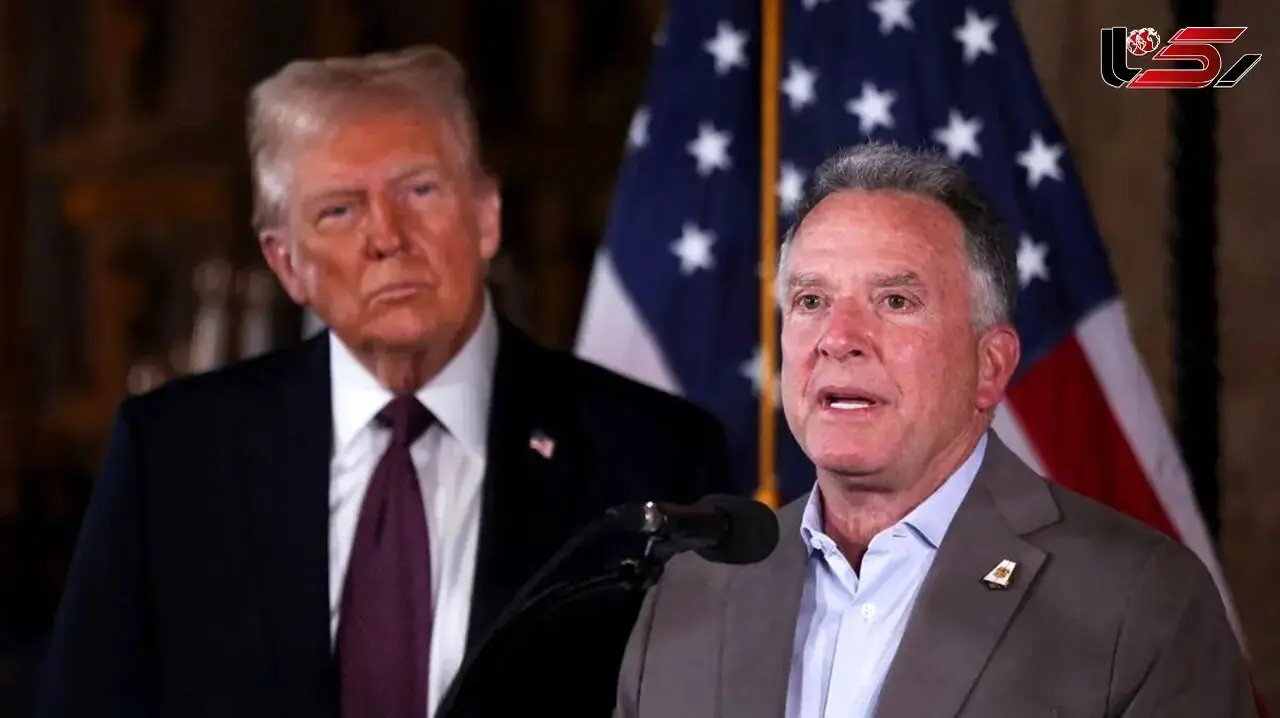
According to Rokna, First, this type of public expression may unintentionally create a reverse strategic message. When American officials speak of surprise at Iran’s refusal to surrender, they effectively reinforce the perception that the maximum pressure policy has so far failed to alter Iran’s strategic calculations. From this perspective, such remarks could strengthen the morale of Iranian decision-makers and even increase confidence in the effectiveness of the resistance strategy; because in security literature, demonstrating the “ineffectiveness of pressure” is itself considered a form of defeat in psychological warfare.
At a second level, these statements indicate that the US strategy continues to rest on a combination of military pressure, economic sanctions, and conditional diplomacy. Referring to military pressure as a tool of influence in negotiations suggests that Washington still believes that displaying power can enhance its bargaining leverage. In geopolitical conflicts, indirectly revealing strategic objectives may weaken instruments of pressure, as it provides the opposing side with an opportunity to adjust its deterrent policies.
From a third perspective, these remarks reflect a degree of uncertainty in the White House’s broader calculations. It appears that the US administration is oscillating between two main paths: negotiating to reduce political and economic costs, or applying harsher pressure to secure maximum concessions. This situation may signal the absence of full consensus at the level of strategic decision-making. The experience of regional wars, heavy financial costs, and potential negative impacts on global energy markets are among the factors likely contributing to this hesitation. Particularly given the global economy’s dependence on Middle East energy stability, any military conflict could generate wide-ranging economic consequences.
From a fourth perspective, these remarks also affect the region’s psychological environment. Conversely, Iran may interpret these statements as implicit confirmation of the effectiveness of its deterrence policy. In deterrence theory, maintaining uncertainty about the opponent’s true intentions is of great importance, and when one side speaks of its concern or confusion, it may to some extent diminish its own deterrent power.
At the domestic level in the United States, these remarks may also reflect political competition. US foreign policy is usually influenced by internal, media, and economic pressures. Therefore, the public articulation of such statements may be part of political messaging aimed at domestic audiences, to demonstrate that the government continues to exert pressure on its rivals, even if the results are not yet definitive.
Send Comments