

Iran’s “Red Hornets” Tactic for Confronting U.S. Warships
Rokna Political Desk: In the strategic waters of the Persian Gulf and the Sea of Oman, a small yet deadly shadow is in motion; a group of high-speed vessels that, with lightning speed and precise coordination, are changing the rules of naval warfare.
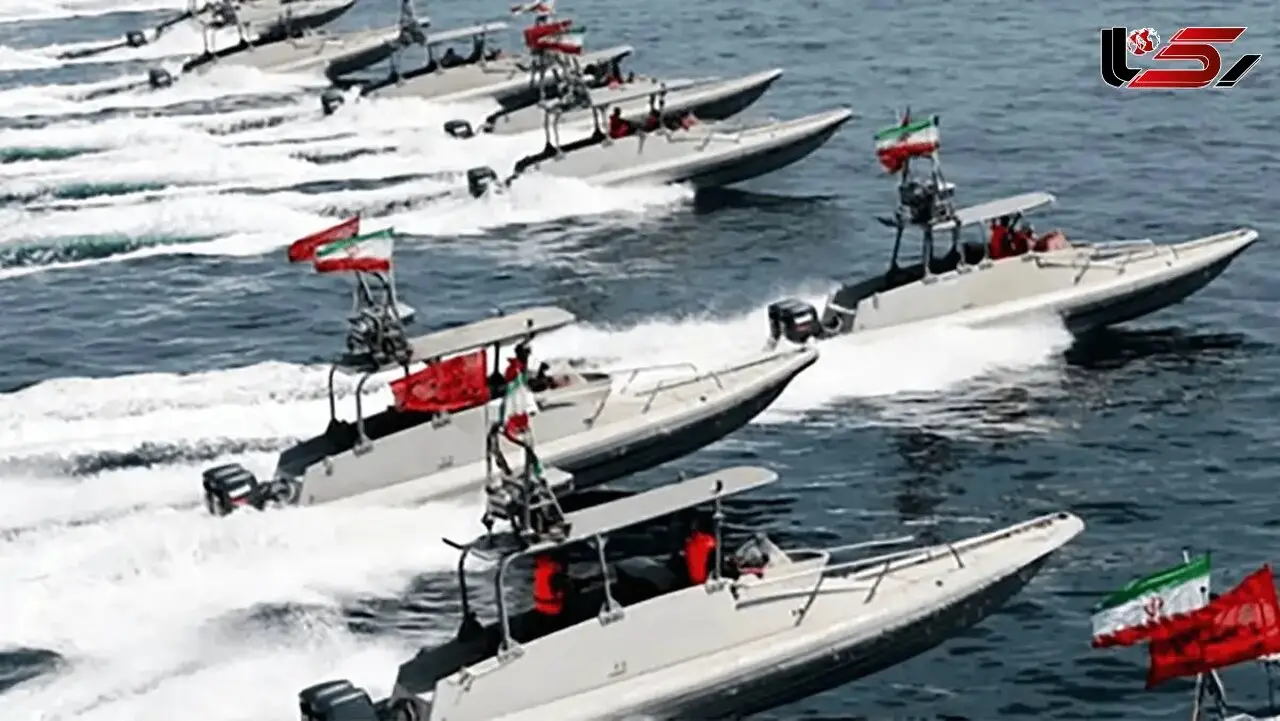
Swarm Attack; Iran’s Strategy to Strike Billion-Dollar U.S. Warships
One of the most well-known scenarios is the Swarm Attack tactic; a method in which hundreds of small and fast Iranian vessels, equipped with machine guns, rockets, and short-range missiles, simultaneously attack enemy warships from multiple directions. This tactic not only overwhelms advanced enemy defense systems, but also exerts a significant psychological impact on U.S. forces and represents a clear example of Iran’s asymmetric power and tactical innovation in the maritime domain.
Asymmetric Warfare and Swarm Tactics
In the swarm tactic, Iranian speedboats, with high velocity and maneuverability, confront advanced ship defense systems with numerous simultaneous targets. The core idea of this tactic is simple yet lethal: instead of engaging in direct one-on-one combat with U.S. warships, collective coordination and simultaneous attacks increase the possibility of disabling or destroying the enemy.
Military analysts emphasize that beyond its operational effect, this tactic carries a considerable psychological burden for warship crews and demonstrates that even advanced and expensive vessels are vulnerable to collective attacks.
The Evolution of Fast Attack Craft
The use of fast boats dates back to the Sacred Defense era and the Iran-Iraq War. During that period, IRGC boats were equipped with 107 mm rocket launchers and heavy machine guns and carried out numerous operations. This path evolved, and today a new generation of vessels with very high speed, diverse combat capabilities, and special features has entered service.
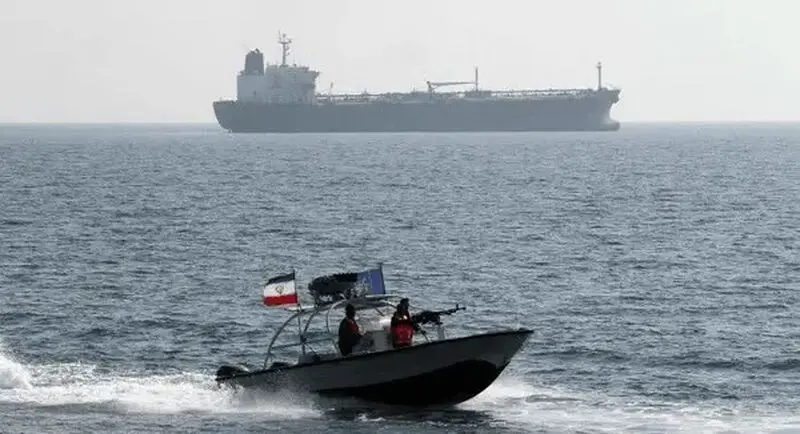
Ashura Vessel: With an upgraded hull design compared to previous generations, this vessel reaches speeds of up to 166 kilometers per hour and has the capability to mount various weapons with different ranges. Ashura is also equipped with two torpedoes and has the capability to carry and launch them, enhancing its combat power in offensive operations.
Zolfaghar Vessel (Upgraded Version): This vessel weighs 13 tons and reaches speeds of approximately 100 kilometers per hour. Zolfaghar is equipped with two Kowsar cruise missiles with a range of 25 kilometers, 12.7 mm and 23 mm machine guns, and 107 mm and 122 mm rockets. The upgraded version is fitted with cruise missiles carrying high-explosive warheads.
Seraj Vessel: This high-speed offensive craft, designed for tropical climates, reaches speeds of 130 kilometers per hour. Its hull is made of fiberglass and it is equipped with indigenous communication and electronic navigation systems. The Seraj’s armament includes Katyusha rockets mounted above the vessel and a DShK machine gun at the front.
Zoljanah Vessel: With a length of 16.3 meters, width of 3.75 meters, height of 1.93 meters, and weight of 13.7 tons, this vessel reaches speeds of 96 kilometers per hour and has a range of 514 kilometers. Zoljanah is the torpedo-launching version of Zolfaghar and is equipped with 12.7 mm or 23 mm machine guns, 107 mm and 122 mm rockets, and torpedo-launch capability.
Ya Mahdi (AJ) Vessel: This vessel is 11.9 meters long, 3.1 meters wide, and 1.5 meters high, with a draft of 65 centimeters. It weighs 5.8 tons and, powered by two 660-horsepower engines, reaches speeds of 50 knots (approximately 92.5 kilometers per hour). Ya Mahdi is a high-speed unmanned vessel equipped with advanced sensors, three rocket launchers, and remote guidance capability. Its composite hull provides a low radar cross-section.
Azarakhsh Vessel: This lightweight twin-hull missile boat is 23 meters long, 4 meters wide, and 1 meter high, reaching speeds of about 50 nautical knots (approximately 93 kilometers per hour). Its armament includes a machine gun at the rear, a single-barrel cannon at the front, and a 16-tube rocket launcher mounted above the cabin, enabling effective engagement with enemy vessels.
Heydar 110 Vessel: This vessel is 14 meters long, 4.3 meters wide, and 2.8 meters high, and can reach speeds of up to 116 knots (approximately 215 kilometers per hour). Equipped with two medium-range cruise missiles, Heydar 110 is considered the fastest IRGC vessel, significantly enhancing deterrence capability and operational initiative.
Taregh Vessel: With a length of 15 meters, width of 3 meters, and a double alloy hull, this vessel has a minimum speed of 180 kilometers per hour and ranks among the fastest combat vessels of the IRGC Navy. Taregh is capable of launching cruise missiles and shoulder-fired air defense missiles, and due to its lightweight yet durable hull design, possesses high maneuverability and speed.
The Special “Red Hornets” Tactic for Confronting U.S. Warships
In the strategic waters of the Persian Gulf and the Sea of Oman, a small yet deadly shadow is in motion; a group of high-speed vessels that, with lightning speed and precise coordination, are changing the rules of naval engagement.
Military analysts stress that the success of these tactics lies not only in operational capability and the destruction of the enemy, but also in creating psychological and strategic threats against the military presence of extra-regional powers in the Persian Gulf. As a result, Iran’s fast attack craft symbolize asymmetric defensive capability and tactical innovation in the maritime arena, and the Persian Gulf and the Sea of Oman remain sensitive theaters for demonstrating Iran’s deterrent power and operational initiative.