

New York Times:
An Attack on Iran Could Be Riskier Than the Arrest of Maduro
Rokna Political Desk: The New York Times has warned that a potential US attack on Iran could lead to a prolonged and multi-front conflict involving the Axis of Resistance in the region and carry complex consequences.
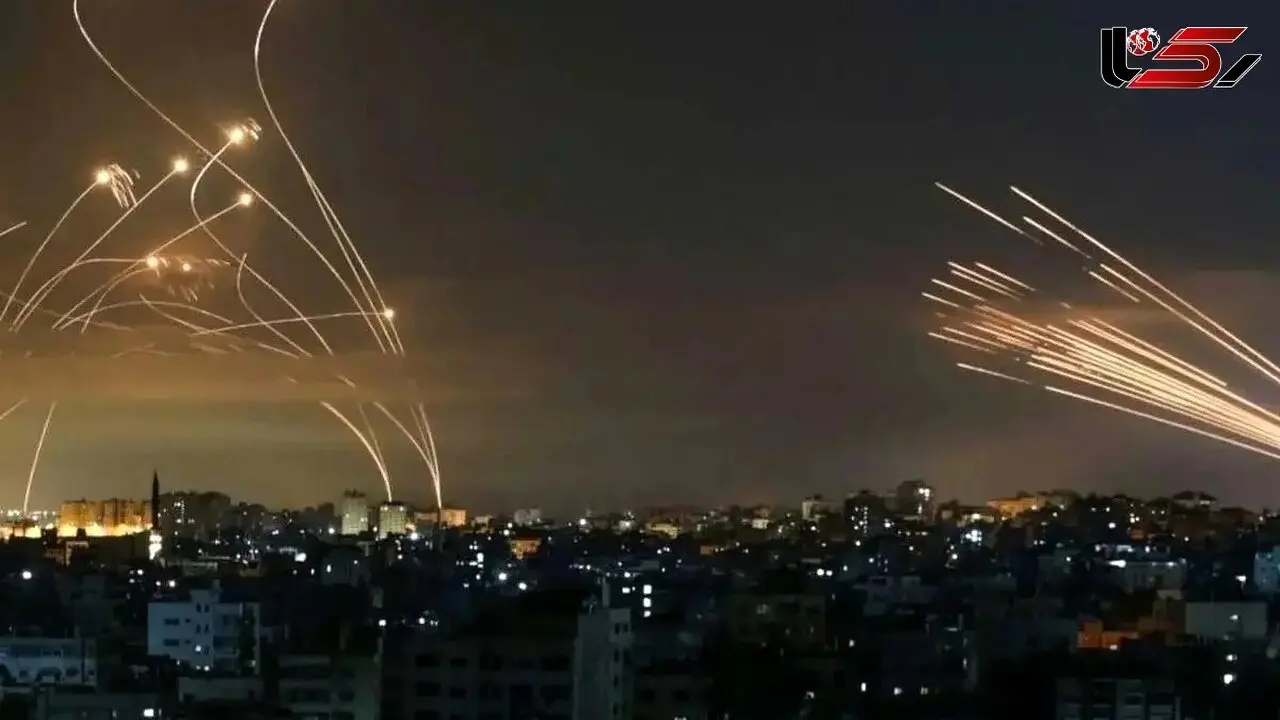
According to Rokna, citing The New York Times, the United States against a possible attack on Iran and emphasized that it should not be viewed as comparable to operations in Venezuela:
Trump said in January that an American “fleet” was heading toward Iran and compared it to the recent swift US operation in Venezuela, which, according to him, “carried out its mission with speed and violence.” However, an attack on Iran would be far more complex than operations in Caracas and could draw the United States into a prolonged conflict.
The key point is that there is no low-cost military option.
Unlike Venezuela, which had weak defenses prior to the US attack, Iran possesses one of the largest and most diverse missile arsenals in the Middle East. Iran’s medium-range missiles can have a range of more than 1,200 miles (approximately 1,900 kilometers). This range includes US bases in Turkey, Israel and the Gulf countries. Iran has also recently tested a naval air defense missile with a range of more than 93 miles.
Saudi Arabia and the United Arab Emirates have announced that they will not allow the use of their airspace for an attack on Iran. However, this position does not necessarily shield them from Iranian retaliation.
Iran maintains a network known as the “Axis of Resistance” around it, including the Houthis in Yemen, Hezbollah in Lebanon and Shiite militias in Iraq. If the United States launches an attack, these groups could act against US forces and its allies, creating multiple new fronts.
Power in Iran is based on an ideology and a complex structure that has been consolidated over nearly half a century. Tehran is also approximately 400 miles from the Persian Gulf; therefore, direct military access to it would be far more difficult than operations in Caracas.
Send Comments