

Vostok-1, Iran’s New Radar System, Arrives / Easy Detection of F-35 Fighters and Stealth Bombers by Iran
Rokna Political Desk: Iran has received the advanced Vostok-1 radar system from Belarus. This system is capable of detecting stealth targets such as F-35 fighter jets and B-2 bombers at distances of up to 400 kilometers, significantly enhancing the country’s air defense capabilities.

According to Rokna, citing Eghtesad Online, Iran has recently received the advanced Vostok-1 radar system from Belarus, a system capable of detecting F-35 fighter jets and stealth B-2 bombers.
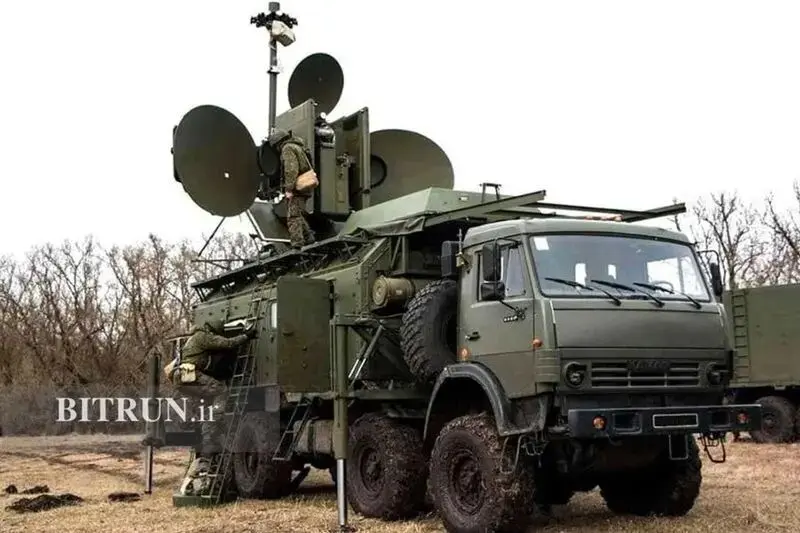
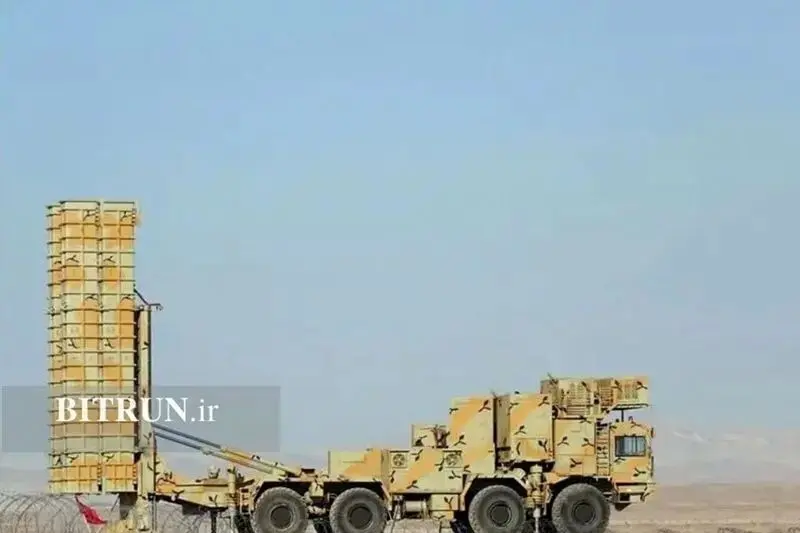
Meanwhile, earlier and following the 12-day war, the Krasukha electronic warfare system was delivered to Tehran by Moscow. Reports also indicate that Iran has succeeded in acquiring the Russian S-400 air defense system and the Chinese HQ-9 system. Together, these advanced systems are capable of significantly strengthening the country’s air defense against aerial threats posed by stealth aircraft.
The Role of Vostok-1 in Challenging Stealth Technology
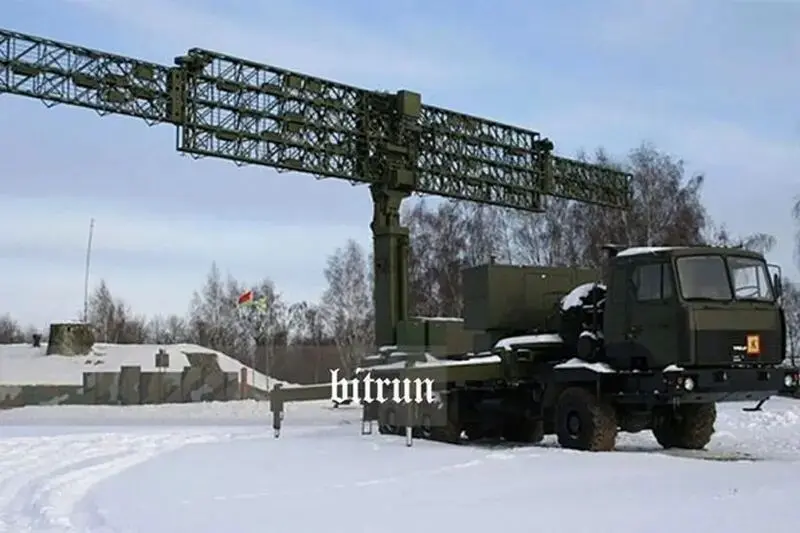
At a time when fifth-generation aircraft and stealth bombers have become more widespread than ever, competition between stealth technology and advanced radar systems has entered a new phase. In this context, long-wavelength radars such as Vostok-1 have gained a special position as one of the primary tools for early detection. These systems are responsible for networking information and providing early warnings, focusing on detecting enemy positions rather than direct lock-on and engagement.
Vostok-1, Iran’s New Radar System, Arrives / F-35 Fighters and Stealth Bombers Become Detectable
Features of the Vostok-1 Radar
This radar system is an early-warning, VHF-band system designed to detect aerial targets at long distances. Unlike weapons systems, Vostok-1 does not directly engage in military interaction and functions as a “long-range eye” within the air defense network.
The importance of Vostok-1 is particularly evident in detecting stealth targets such as F-35 fighters and B-2 bombers, aircraft designed to reduce radar reflection. The long wavelength of this system enables the detection of such aircraft at long distances.
Why Radar Wavelength Matters
One of the fundamental differences between the Vostok-1 system and conventional radars lies in its wavelength. X-band radars, with short wavelengths of several centimeters, are suitable for target lock-on and missile guidance but have limited effectiveness against stealth aircraft. In contrast, VHF-band radars, with wavelengths reaching several meters, can interact directly with different parts of an aircraft’s structure, reducing its stealth capability. This feature exposes weaknesses in stealth aircraft design and enables long-range target detection.
Detection Range of the Vostok-1 System
According to unofficial estimates and analysis of similar specifications:
-
F-35 fighter jet: initial detection between 200 and 350 kilometers
-
B-2 bomber: due to its larger size, potential detection within a range of 300 to 400 kilometers
These distances only indicate detection and identification of the target’s position and are not based on fire-control lock.
How Fire-Control Lock Is Achieved
The Vostok-1 radar does not have direct lock-on capability and must transmit the acquired data to more precise X-band or S-band radars. Accordingly:
-
F-35 fighter jet: effective lock-on within 50 to 90 kilometers
-
B-2 bomber: effective lock-on within 80 to 120 kilometers
Multi-layered air defense systems can strengthen air defense by integrating different radar technologies.
Impact of Multi-Layered Air Defense on Stealth Technology
No single radar system is capable of completely eliminating stealth technology. However, the integration of different radar systems can limit this advantage. This process includes:
-
Using VHF radars for early warning
-
Employing X-band radars for precise lock-on
-
Missile systems for the final engagement phase
Such a combination provides an effective response to aerial threats employing stealth technology.
Changing the Equation with Vostok-1
The Vostok-1 system and its related family have challenged the concept of the “complete invisibility” of stealth aircraft. Although this radar alone does not possess direct engagement capability, by providing early warnings and linking with other air defense systems, it plays a key role in reducing the advantage of stealth aircraft.