

Video / Analysis of Hypersonic Speeds and the “Arrow 3” Air Defense System / An Analytical Look at Iran’s New Missile and Radar Equations
Rokna Political Desk: Concurrent with the global expansion of hypersonic technologies, the analysis of advanced missile defense systems, including the “Arrow 3,” has become a central axis of strategic assessments. This issue is less about predicting threats and more about achieving a realistic understanding of military calculations at the macro level.
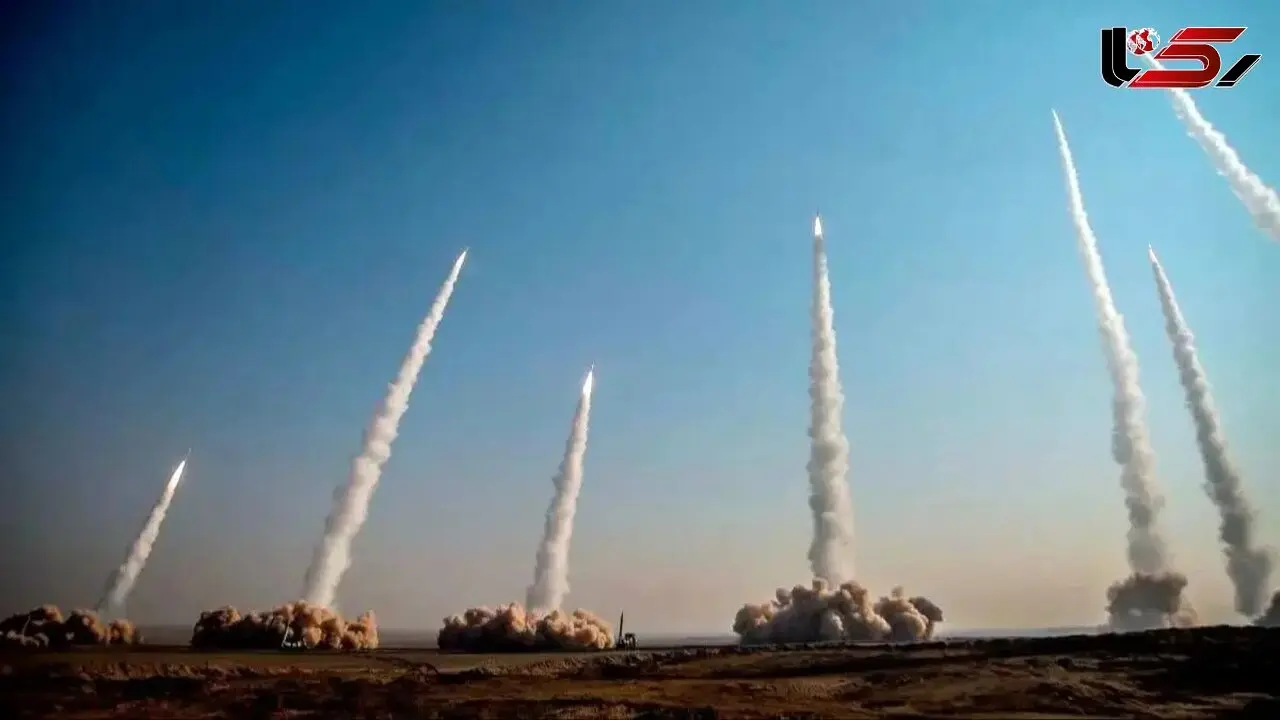
According to Rokna, flight speeds in the military industry are generally classified into three main categories: subsonic speeds (approximately 1,235 km/h under standard conditions), supersonic speeds (above Mach 1), and hypersonic speeds, which refer to systems exceeding Mach 5. Hypersonic technologies, due to their extremely high speeds and in some cases maneuverability, drastically reduce the reaction time of defense systems and complicate interception.
In this context, the “Arrow 3” missile defense system is recognized as one of the upper-layer components of Israel’s missile defense architecture. This system is designed to intercept ballistic missiles outside the Earth’s atmosphere and operates based on exo-atmospheric interception.
Key Components of the Arrow 3 System
Based on published information, Arrow 3 consists of several critical elements:
-
Launcher Unit: A mobile platform for housing and launching interceptor missiles, capable of deployment across various locations.
-
Green Pine Radar: An advanced phased-array radar for detecting and tracking ballistic targets at long ranges and transmitting data to the fire control center.
-
Two-Stage Arrow Interceptor Missile: This missile accelerates through two stages using a solid-fuel propulsion system and destroys the target outside the atmosphere via “hit-to-kill” technology.
Solid-Fuel Propulsion Operation
Arrow missiles employ rocket engines powered by solid fuel. In this type of propulsion, the fuel and oxidizer are combined in a solid form within the engine chamber. Once activated, internal combustion begins, and high-pressure hot gases exit through the nozzle, generating thrust. The simplicity of design, rapid operational readiness, and lower maintenance requirements are among the advantages of this technology.
Strategic Balance Considerations
Experts emphasize that the analysis of systems such as Arrow 3 should be evaluated within the framework of deterrence and technological competition among regional and global powers. The simultaneous development of offensive technologies, including hypersonic missiles, and advanced defensive systems indicates that military competition has entered a stage where speed, precision, and information superiority play a decisive role.
According to analysts, the purpose of such assessments is not to predict specific conflict scenarios but to gain a realistic understanding of technological trends and high-level military calculations in the international arena.