

Trump and the Decision to Attack Iran: Reasons That Could Deter Him
Rokna Political Desk: Trump, following the advice of analysts and historical experience, has refrained from a military attack on Iran; an action that many believe could result in a defeat for the United States even heavier than Vietnam.
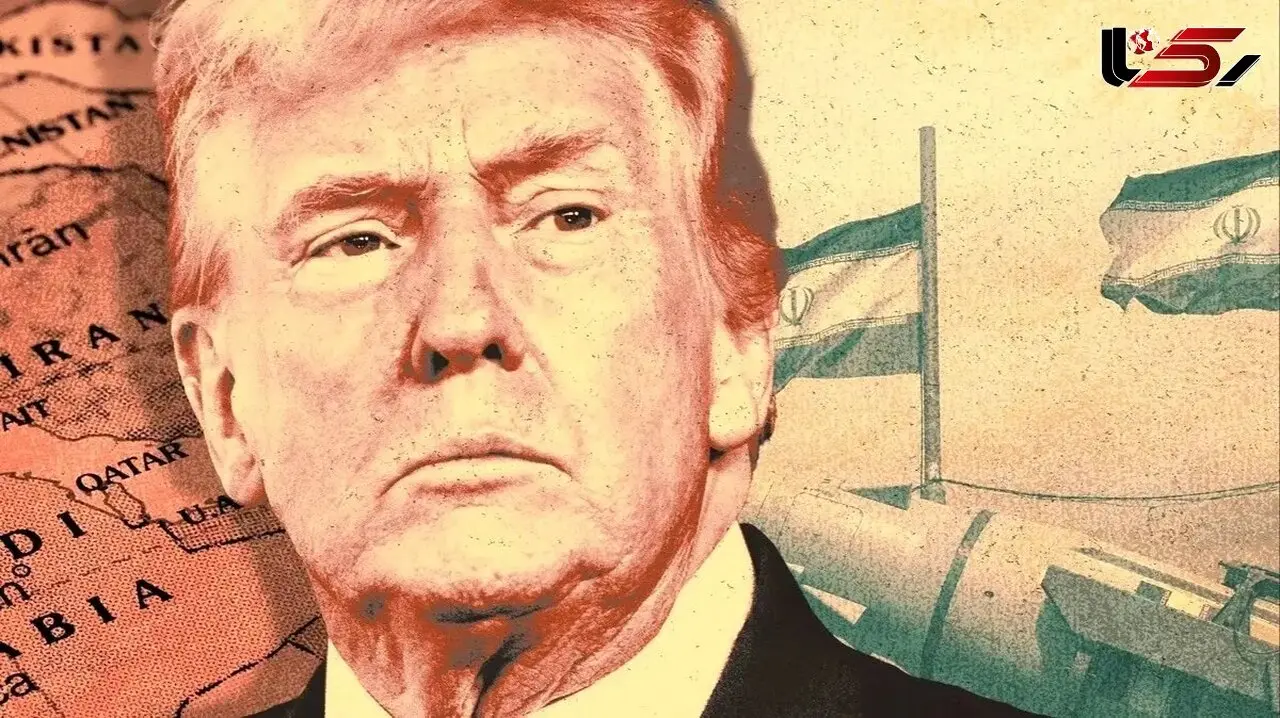
In addition to the Israeli regime, some governments also wish for the United States to become entangled in a war with Iran. Several European countries fall into this category. They have two objectives in such a war. On one hand, they would not mind Iran being weakened to show flexibility toward Europe, and on the other hand, since they consider Iran resilient, they anticipate that it might confront Trump.
The leaders of these European countries estimate that Trump would not achieve victory in a war with Iran. That President Emmanuel Macron of France may have told Trump to “forget Greenland and go after Iran, which is a fatter target” is likely to imply that he intends to draw the adventurous US president into a quagmire where struggling would be costly, and this struggle could provide Europe with an opportunity to free itself from Trump’s pressures, particularly on issues such as Ukraine and Greenland.
Therefore, Europeans have issues with Trump, just as Trump has issues with Europeans, to the extent that he even threatened them that if they did not hand over Greenland, he would impose many restrictions in various fields, including social networks. The American public’s experience from one year and two months of Trump’s presidency shows that his behavior toward different countries, from China to Europe, has ultimately harmed the United States.
Internal divisions, harsh opposition from Trump’s political rivals, domestic protests against the government, and the difficult economic conditions in American society all indicate the instability of Trump’s position. Polls also clearly show that Trump is rapidly losing popularity, even among Republicans, and faces increasing protests every day.
Regarding Trump’s warlike tendencies, the American people have expressed opposition in polls and various gatherings. People and leaders of Middle Eastern countries, especially in the Gulf, also oppose a US military attack on Iran because they know such a war would be detrimental to everyone. Netanyahu’s insistence on Trump to carry out a military attack on Iran is based solely on calculations for his own interests, disregarding the welfare of the American people and even Trump’s own future, knowing that they would become victims of his and the Zionists’ imaginary interests.
Despite Iran’s significant economic problems, the country is highly resilient against foreign aggression. History has demonstrated this fact, and even today Western experts emphasize this point, warning Trump not to succumb to the temptations of Netanyahu, whom they call the dirtiest war criminal of the present era.
Some of these experts advise Trump to study history and realize that a military invasion of a country like Iran would yield no results and would trap him in a quagmire even more regrettable than Vietnam. These are factors that could influence decision-making and deter Trump from entering a war that would undoubtedly be to his detriment.
Since Iran also does not desire war, it prefers active diplomacy. The economic incentive plan and the bilateral non-aggression pact offered by Iran constitute a logical and reasonable path to reach an agreement and prevent war.
Ending the current disputes between Iran and the United States requires a wise decision, which Trump can achieve based on this proposed plan by Iran. The question remains: is Trump capable of making a wise decision?
Send Comments