

Fair and equitable deal:' Iranian FM on US negotiations
Rokna Political Desk: The Iranian official said Tehran is not seeking war with the United States but is deeply concerned about the risk of miscalculation driven by disinformation, stressing that any meaningful negotiations must be built on trust, fairness, and a clear commitment to preventing nuclear weapons in exchange for sanctions relief.
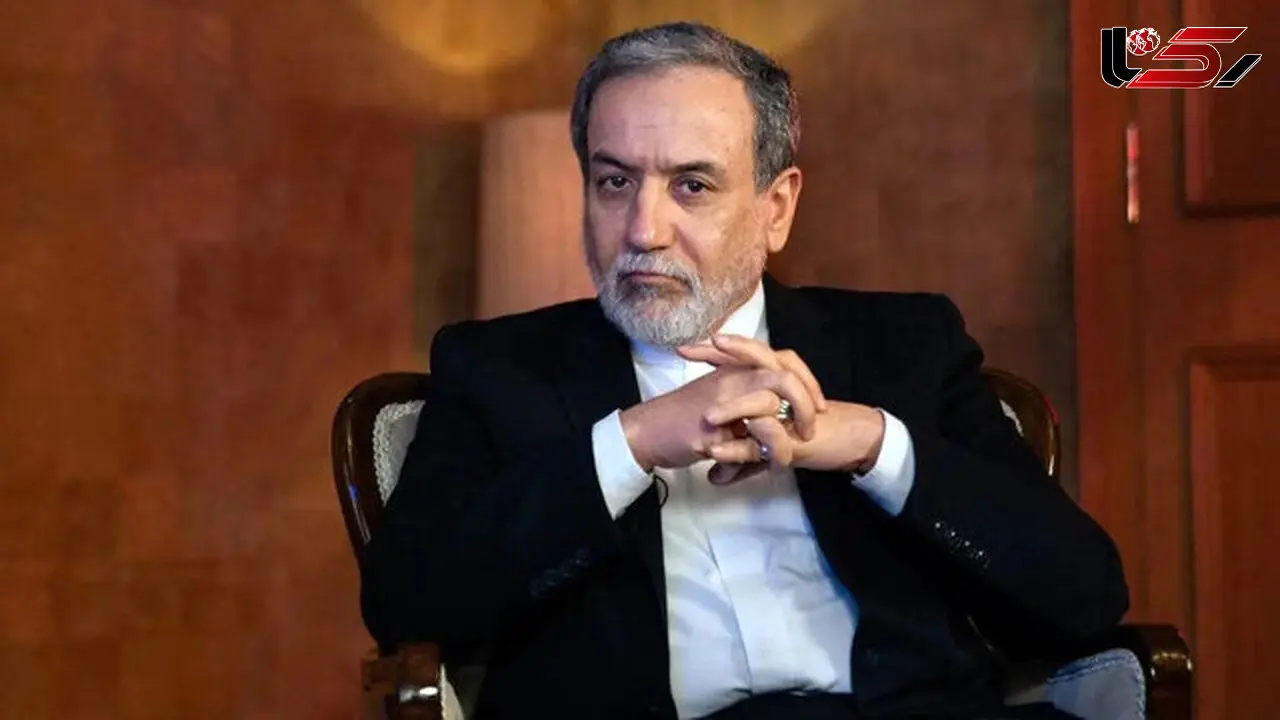
According to Rokna, citing CNN,Iranian Foreign Minister Abbas Araqchi said I am not concerned about war, but I am concerned about miscalculation and military operations based on disinformation and misinformation campaigns. It is obvious to us that there are certain elements and certain parties who want to drag President Trump into this war for their own benefit, and I believe President Trump is wise enough to make the correct decision.
How can a meaningful negotiation process be jump-started right now? A meaningful negotiation must be based on trust, and unfortunately, we have lost our trust in the United States as a negotiating partner. We need to overcome this mistrust.
There are now some intermediaries—some friendly countries in the region—that are trying to help build this confidence. It is difficult, but they are making efforts.
So I see the possibility of another round of talks if the US negotiation team follows what President Trump has said: to reach a fair and equitable deal that ensures there will be no nuclear weapons.
If this confidence is built and you reach that stage, are you ready and willing to sit down directly with the American side, with someone like Mr. Witkoff, and talk?
The question of direct or indirect talks is a separate issue; that is merely the form of negotiation. They have said they want direct talks, but we must take care of the substance of the negotiations, which is far more important.
President Trump has said that negotiations are already going on. He said overnight that talks are taking place. How does that work right now with confidence-building through regional countries?
That is true. As I said, there are intermediaries—countries that are conveying messages, trying to build confidence, and preparing the ground for meaningful negotiations. We are working with them and exchanging messages.
Would you say these talks are fruitful so far and could lead to de-escalation to the point where real talks begin?
I believe that so far they have been fruitful.
Regarding issues such as enrichment, ballistic missiles, and proxy forces in the region: the United States has talked about negotiating over these as well. Is that completely out of the question for you?
President Trump said no nuclear weapons, and we fully agree with that. That could be a very good deal. Of course, in return, we expect sanctions to be lifted. So that deal is possible. Let us not talk about impossible things.
What do you think the consequences would be if there were a full military confrontation between Iran and the United States? I know your military doctrine has changed, and a major attack would be considered existential for the Islamic Republic. What would that mean for the region?
If war starts, it would be a disaster for everyone. In the previous war, we tried hard to limit the scope of the conflict between Iran and Israel. This time, if there is a war between Iran and the United States, since US bases are spread all over the region, inevitably many parts of the region would be involved and engaged. That would be extremely dangerous.
Our missiles were tested in a real war last time, and we were able to understand their problems and weak points. We learned many lessons from those twelve days of war, and I think now we are very well prepared. But being prepared does not mean that we want war. We want to prevent war.
President Trump also said he is concerned about the rights of those in custody. As you know, he said he believes he prevented executions from taking place in Iran. Can you guarantee the rights of those who have been detained and whose cases are currently under review?
Of course. First of all, there was no plan for executions or hangings. No such plan existed. And right now, I can affirm that the rights of each and every person who has been arrested and detained will be fully observed and guaranteed.
Send Comments