

Iran Deploys Its Most Advanced Air Defense Systems in the Persian Gulf + Capabilities and Strengths
Rokna Political Desk: The deployment of advanced S-400 Russian and HQ-9 Chinese air defense systems along the Persian Gulf coast has elevated Iran’s defensive readiness to a high level against aerial threats.
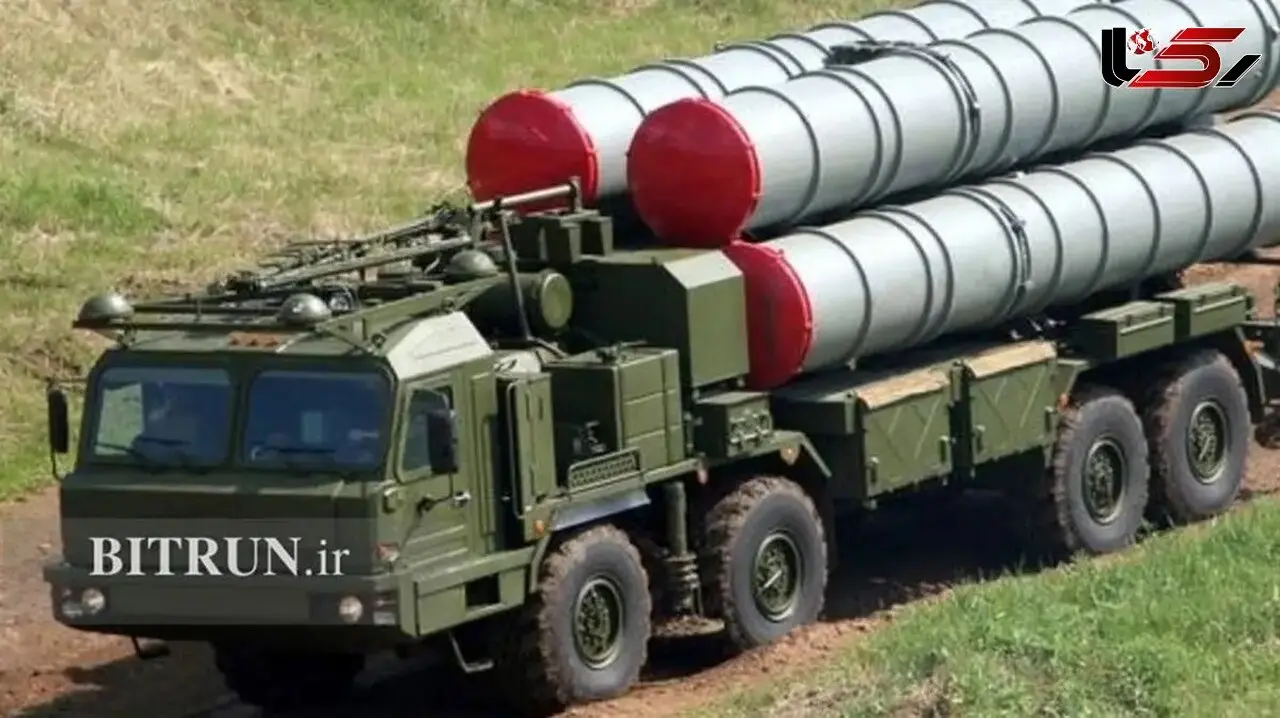
According to Rokna, the positioning of these two long-range Iranian air defense systems along the Persian Gulf and the Sea of Oman has activated the country’s most sophisticated air defense coverage in these regions.
The S-400 Russian and HQ-9 Chinese systems have recently been deployed near the Persian Gulf coast. This move is considered a response to potential threats from the U.S. military. But what capabilities do these systems possess?
Following the flights of several Russian military cargo aircraft after the 12-day conflict between Iran and Israel, news of the successful S-400 test in Isfahan was released. What message could this test convey?
-
Demonstrating deterrence capabilities to regional rivals.
-
Testing coordination with domestic systems such as Bavar-373 and Khordad-15.
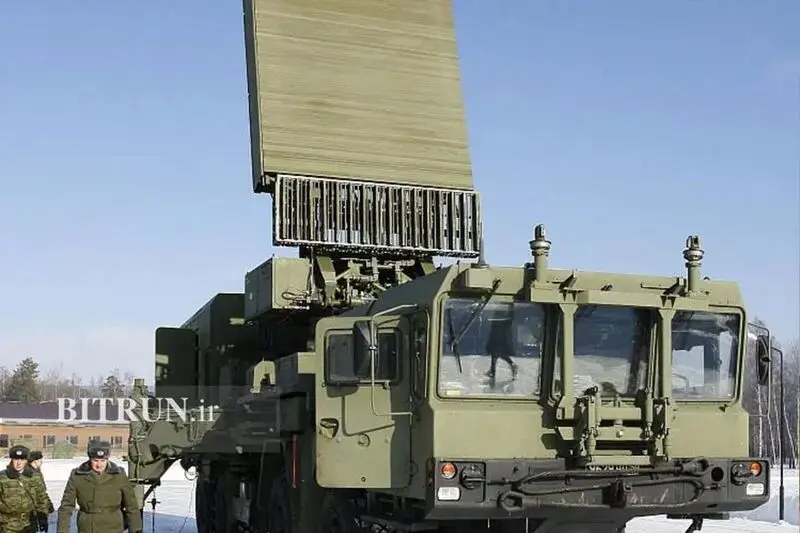
The table below shows the key specifications of the S-400 components:
| Component | Model | Function | Range |
|---|---|---|---|
| Long-Range Detection Radar | 91N6E Big Bird | Detection of targets at long distances | ~600 km |
| Engagement Radar | 92N6E Grave Stone | Tracking and target engagement | ~400 km |
| Launcher | 5P85TE2 | Launching 40N6 / 48N6 missiles | Missile range ~400 km |
| Long-Range Missile | 40N6 | Targeting high-altitude targets | ~380–400 km |
| Medium-Range Missile | 48N6E3 | Countering cruise missiles and aircraft | ~250 km |
F-35 Fighter Jet Capabilities
The F-35 fighter, operated by Israel, is an advanced version of the U.S. model. This aircraft is designed for rapid operations and deep penetration with stealth capabilities, modern electronic warfare systems, and the ability to carry advanced munitions.
Key Comparison Between S-400 and F-35
The table below illustrates the main differences between the two technologies:
| Feature | S-400 | F-35I |
|---|---|---|
| Stealth Capability | No | Yes |
| Detection Range | Up to 600 km | Dependent on onboard systems |
| Engagement Range | Up to 400 km | Up to ~1,000 km (with long-range weapons) |
| Electronic Warfare Resistance | Medium to High | High |
| Primary Role | Multi-layered air defense | Precision strike and deep penetration |
Complementary Domestic Systems
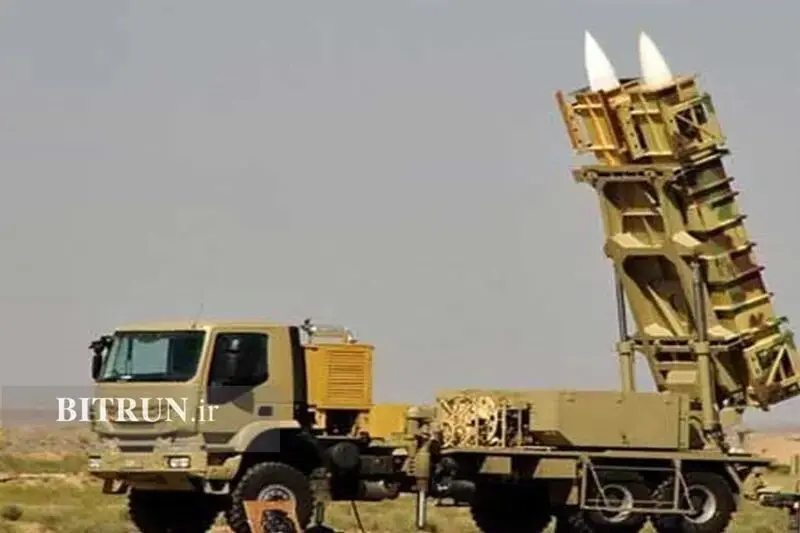
Iran has integrated its domestic air defense systems into a multi-layered defense structure, including:
-
Bavar-373 (long-range)
-
Khordad-15 (medium-range)
-
3rd Khordad and Tabas (short-range, point defense)
Challenges and Solutions
-
For Iran: Ensuring coordination between defense layers and strengthening resistance against electronic attacks.
-
For Israel: Achieving successful penetration of Iran’s multi-layered networks without detection.
HQ-9 Air Defense System
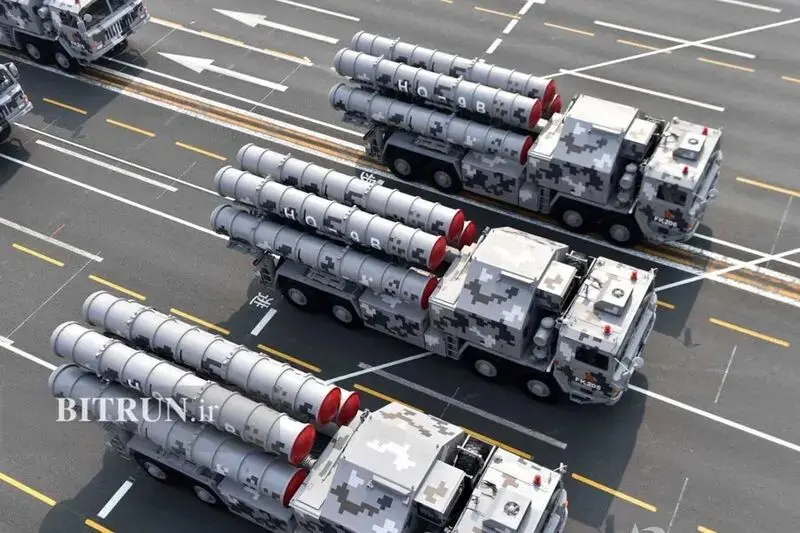
In addition to the S-400, the HQ-9 system complements Iran’s layered air defense architecture, enhancing coverage and providing further deterrence capabilities in the region.