

Israel’s Plan to Undermine Nuclear Talks / American Analyst Reveals
Rokna Political Desk: An American think tank analyst has warned that the Israeli regime, by exerting influence over Donald Trump, may seek to sabotage the course of nuclear negotiations between Iran and the United States.
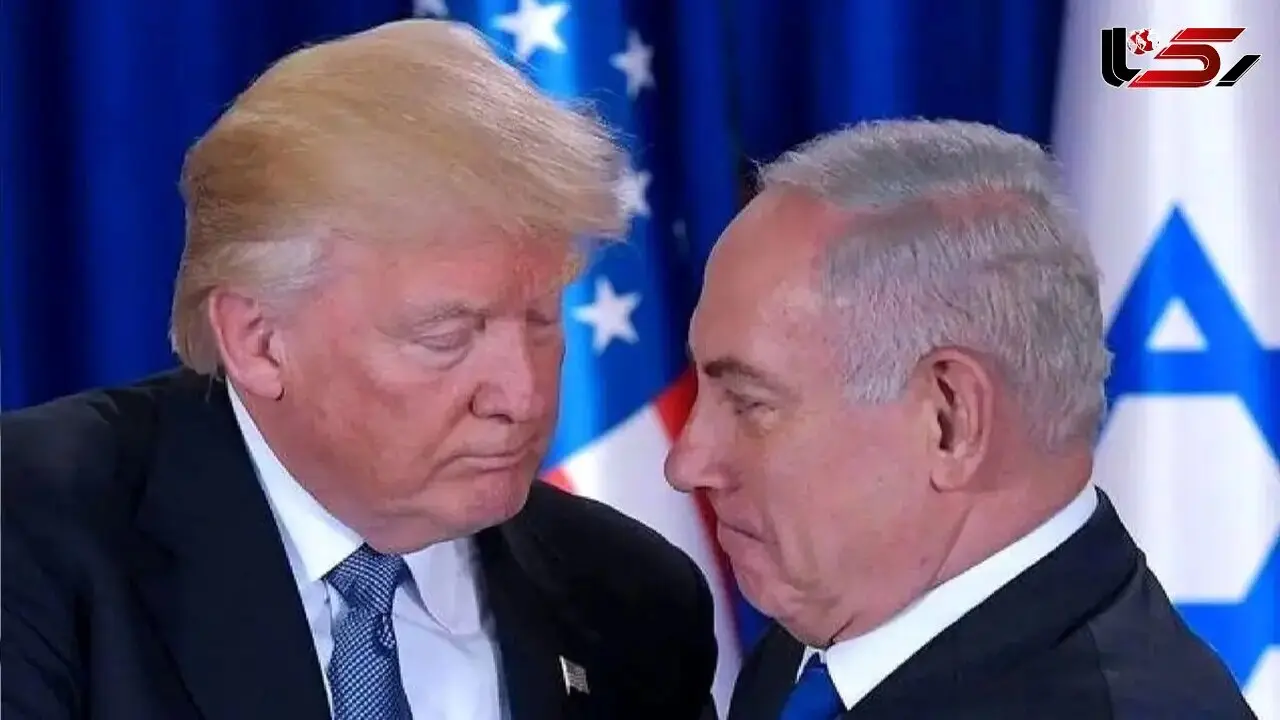
According to Rokna, a prominent American analyst has stated that if the President of the United States prioritizes the demands of the Israeli regime in his actions, it would indicate a lack of seriousness in pursuing diplomacy and a shift toward a path of militarism.
Israel’s Role in Shaping Nuclear Negotiations
The analyst, who is affiliated with the Quincy Institute for Responsible Statecraft, has warned in his latest analysis about the Israeli regime’s efforts to influence US conduct in nuclear negotiations with Iran. He believes that the United States will only be able to reach an agreement with Iran if it avoids being influenced by Israel and instead pays attention to the recommendations of Iran’s neighboring Muslim countries, such as Turkey, Qatar, Oman, and Saudi Arabia.
Developments in the Oman Negotiations
The negotiations, which were held last Friday in Oman, marked a new chapter in the turbulent dialogue between Iran and the United States. According to the analyst, the aim of these talks was to prevent the outbreak of a major war between the two countries. Although the negotiations were initially planned to be held in a multilateral format in Turkey, Iran succeeded in focusing the talks on a bilateral framework in Oman.
Reports indicate that the United States initially opposed accepting Iran’s demands, but later changed its position under the influence of concerns expressed by Turkey and the Persian Gulf states, which feared the consequences of a regional war.
The Role of Regional Countries in Preventing War
Assessments show that the concerns of Iran’s neighboring countries regarding the consequences of war, including the potential closure of the Strait of Hormuz and the risk of attacks on US military bases in the region, played a significant role in Washington’s acceptance of Iran’s requests. The analyst emphasizes that these concerns have provided Iran with greater leverage in the negotiations.
Diplomatic Crisis and Challenges Ahead
The expert believes that although Iran has so far managed to capitalize on existing risks and bring the United States to the negotiating table, this situation may not be sustainable. He warns that if either side is unable to accept the proposed agreement, the process will fail to produce results.
He also added that Iran’s insistence on determining the venue and format of the negotiations indicates that Tehran, even under extensive pressure, continues talks from a position of resistance.
Crisis in Trump’s Campaign
The analyst notes that the US president is now in a difficult position. After announcing the deployment of military forces to the Persian Gulf, he has placed himself in a situation where he needs a rapid victory—either military or diplomatic—to salvage his public image. However, military action against Iran could lead to unpredictable consequences and heavy costs for the United States.
Warning About the Destabilizing Role of the Israeli Regime
The analyst points to the Israeli regime’s efforts to push the United States toward military action against Iran. He stresses that one of Israel’s major concerns regarding Iran is its ballistic missiles, which Tehran views as a strategic defensive tool and considers non-negotiable.
Iran’s Distrust of Washington
In concluding his analysis, he stated that the main reason negotiations have been limited to nuclear issues is Iran’s deep distrust of the United States. Trump’s withdrawal from the JCPOA and Washington’s hostile behavior, including the bombing of nuclear facilities, demonstrate that Iran’s concerns are not unfounded.
The analyst ultimately recommended that if the United States wishes to prevent a destructive war in the region, it must heed the advice of regional countries such as Qatar, Oman, Saudi Arabia, and Turkey—who seek genuine diplomacy—rather than following the views of the Israeli regime.
Send Comments