

Coverage of Iran-US talks in world media: Talks have had a "good start"
Rokna Political Desk: The indirect negotiations between Iran and the United States on the future of Iran’s nuclear program concluded on Friday with a broad agreement to maintain a diplomatic path, which, according to Iranian officials and Omani hosts, could continue with further talks in the coming days.
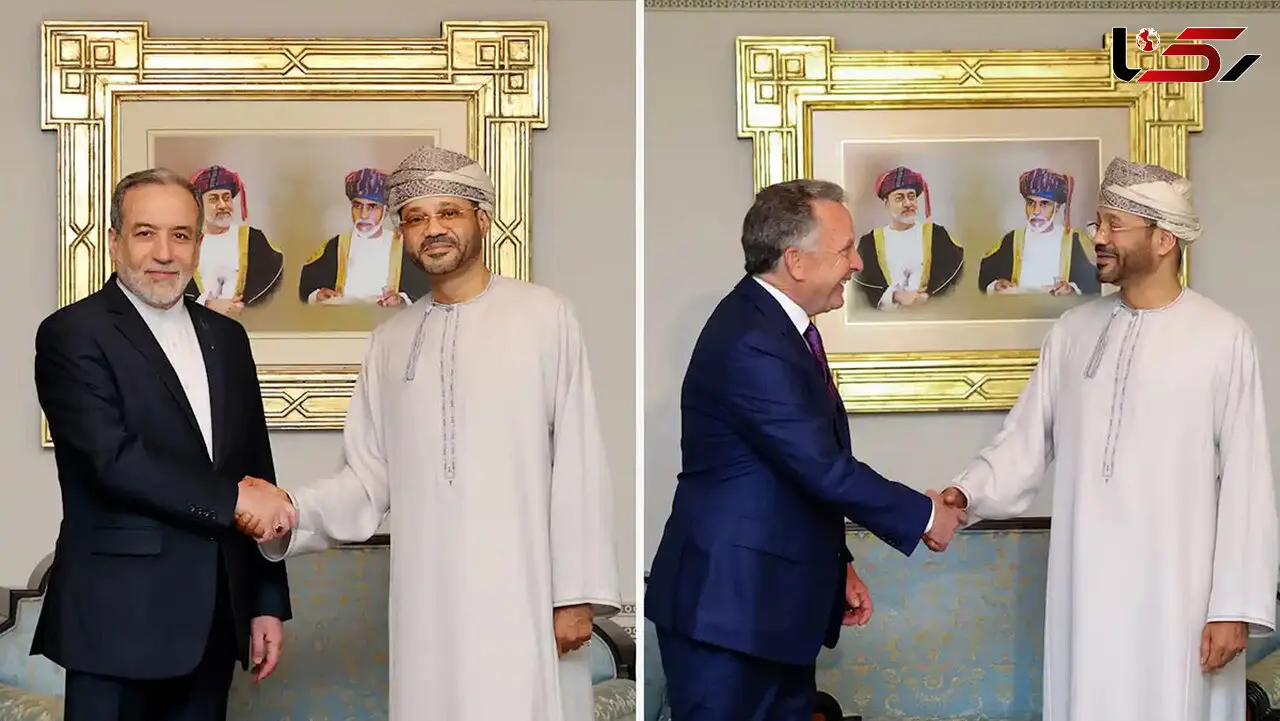
According to Rokna, citing reputable global media, the indirect Iran-US talks on the nuclear program ended in Muscat on Friday with a general agreement to continue the diplomatic track.
The Guardian wrote:
Abbas Araghchi described the talks as a “good start” and stated that the continuation of negotiations would depend on consultations in the respective capitals, while Iran emphasized that the talks were strictly nuclear and should proceed without threats.
Donald Trump also described the negotiations positively and announced that another meeting would be held next week, but warned that failing to reach an agreement would have “very steep” consequences. These talks marked the first direct engagement between the two sides since heightened military tensions in the region and last year’s attacks on Iran’s nuclear facilities.
The Times of Israel wrote:
Washington seeks to expand the talks to include Iran’s missile program, its regional role, and domestic issues, while Tehran insists the negotiations remain strictly focused on nuclear matters.
Meanwhile, US officials warned that Donald Trump has options beyond diplomacy should the negotiations fail, and the United States has simultaneously strengthened its military presence in the region. Iran, meanwhile, has rejected any discussion regarding its missile capabilities, stating that it would respond forcefully to any military action, though Tehran has shown limited willingness to allow flexibility on uranium enrichment under specific conditions. Regional concerns remain high that failed negotiations could escalate tensions and trigger a new conflict in the Middle East.
CNN wrote:
Both sides agreed to continue talks after consultations in their capitals. Iran emphasized that the negotiations should focus solely on its nuclear program, while Washington seeks to address broader issues, including Iran’s missile program and its regional influence.
The talks took place amid a simultaneous increase in US military presence in the Middle East, with Trump deploying a large naval fleet to the region. Despite the diplomatic engagement, the US imposed new sanctions on Iranian oil exports following the talks, signaling continued economic pressure on Tehran. While the negotiations have raised hopes of averting a broader war, tensions remain high, and Iran has warned that any military strike would provoke a strong response, heightening regional concerns about a potential new crisis.
NBC News wrote:
Trump, speaking aboard Air Force One, said that Iran appears very eager to reach an agreement but warned that failing to do so would have “very steep” consequences, emphasizing that under no agreement would Iran be allowed to acquire nuclear weapons. Iranian Foreign Minister Abbas Araghchi described the talks as a “good start” and said both sides agreed to continue negotiations after consulting their respective capitals in Tehran and Washington.
The negotiations took place amid rising tensions and a strengthened US military presence in the Middle East, including the deployment of the USS Abraham Lincoln carrier group. US officials highlighted military pressure through the presence of the head of CENTCOM at the talks, while Washington simultaneously imposed new sanctions on Iranian oil-related entities. Iran’s leadership has warned that any US military action could lead to a regional war, while domestic protests and the violent crackdown that followed have further increased pressure on Tehran.
Send Comments