

Islamic State Affiliate Claims Suicide Attack That Killed 31 at Shiite Mosque in Pakistan’s Capital
Rokna Political Desk: Pakistani authorities say they have detained several individuals in connection with Friday’s suicide bombing at a Shiite mosque, the deadliest attack in Islamabad in nearly twenty years.
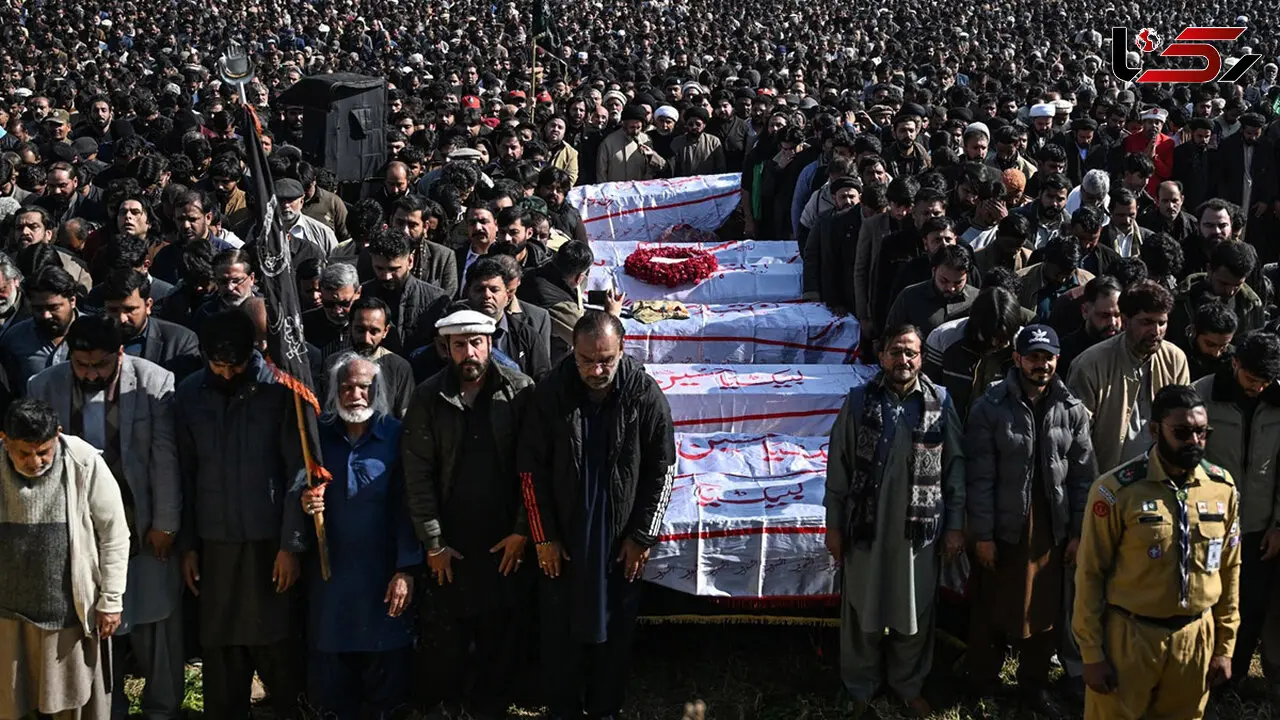
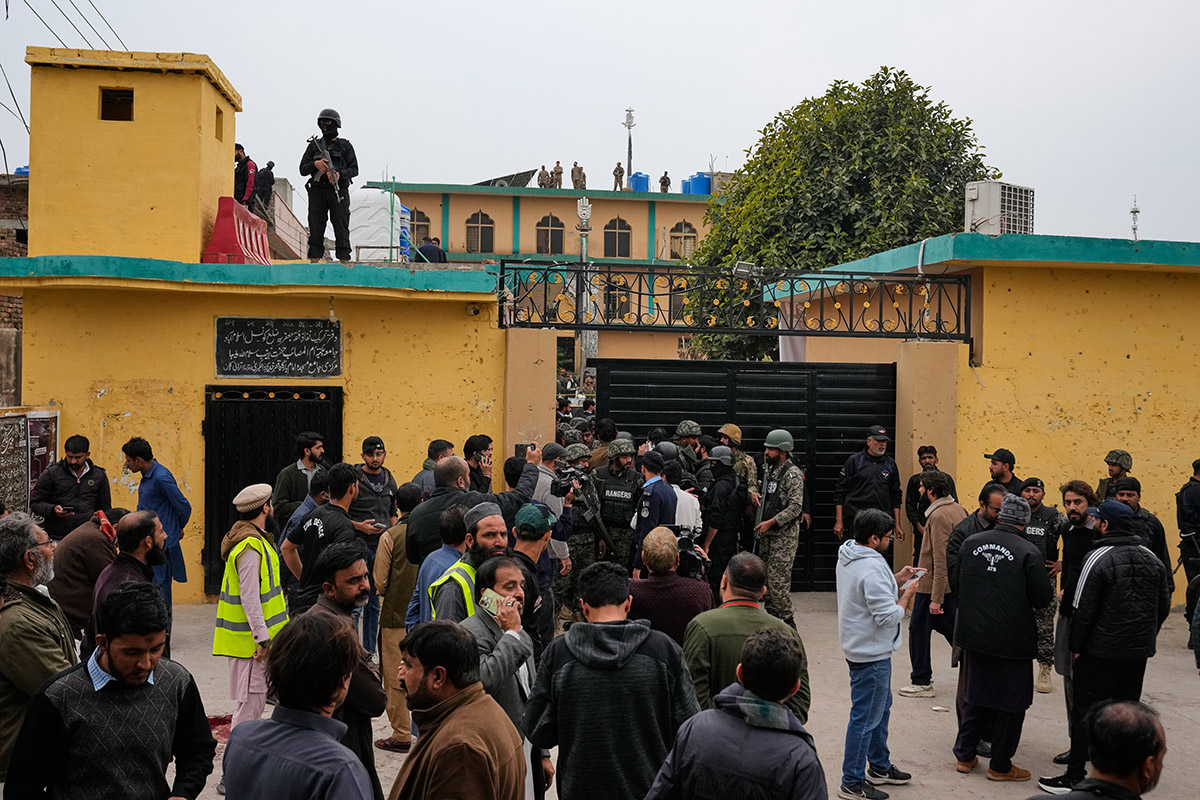
According to Rokna, citing NBC News, a regional affiliate of the Islamic State group claimed responsibility overnight for the attack, which took place inside a Shiite mosque on the outskirts of the capital. The bombing killed 31 people and injured 169 others. On Saturday, mourners gathered at the same mosque under heavy security to attend funeral ceremonies for the victims.
Officials said security forces have identified the suicide bomber and his accomplices and have arrested the alleged mastermind behind the operation.
The Islamic State affiliate operating in the region, known as Islamic State in Pakistan, said in a statement released through its Amaq News Agency that the attacker shot at security personnel who attempted to stop him at the main entrance before detonating his explosive vest at the mosque’s inner gate.
The group indicated it considers Pakistani Shiites legitimate targets, describing them as a “human reservoir” that supplies fighters to Shiite militias battling Islamic State forces in Syria.
Friday’s bombing marked the deadliest attack in Islamabad since a 2008 suicide bombing at the Marriott Hotel that killed 63 people and wounded more than 250. In November, another suicide attack outside a court in the capital left 12 people dead.
The assault comes as Prime Minister Shehbaz Sharif’s government faces a surge in militant violence across the country. Pakistani officials said the attacker was a Pakistani citizen who had recently traveled to Afghanistan.
Arrests Linked to the Attack
Authorities said several suspects, including the bomber’s brother, mother, and other relatives, were arrested during overnight operations in Islamabad and northwestern Pakistan. A police officer was killed during the raids.
State broadcaster Pakistan Television reported a major development in the investigation, announcing the arrest of an alleged Afghan national affiliated with IS who is accused of orchestrating the attack. According to the report, the bombing was planned by Islamic State elements based in Afghanistan, which authorities say poses a threat to both regional and global security. Kabul has not immediately responded to the allegations.
Funeral Ceremonies Held
More than 2,000 mourners attended funeral services at the mosque for around a dozen of the victims, alongside Shiite community leaders and senior government officials. Other victims were to be buried in their hometowns.
Islamic State, a Sunni extremist group, has previously targeted Pakistan’s Shiite minority, apparently aiming to inflame sectarian tensions in the predominantly Sunni country. In 2022, the group claimed responsibility for a suicide bombing at a Shiite mosque in Peshawar that killed at least 56 people and wounded 194.
Pakistan’s Defense Minister Khawaja Mohammad Asif said the attack demonstrated that militants operating from Afghanistan could strike even in the capital. His comments prompted a strong response from Afghanistan’s Taliban-led government.
Afghanistan’s Defense Ministry condemned the mosque bombing but accused the Pakistani defense minister of “irresponsibly” linking the attack to Afghanistan. Pakistan has repeatedly accused Kabul—where the Taliban returned to power in August 2021—of sheltering militant groups, including the Pakistani Taliban. Afghan authorities deny the claims.
International Condemnation
The attack was widely condemned by the international community, including the United States, Russia, and the European Union.
Prime Minister Sharif thanked countries around the world for their messages of sympathy following what he described as a “heart-wrenching suicide attack in Islamabad.” He stressed that international cooperation remains vital to Pakistan’s counterterrorism efforts and vowed that those responsible would be brought to justice.
Although Islamabad has experienced fewer attacks than other parts of Pakistan, the country has seen a recent uptick in militant violence. Much of it has been attributed to Baloch separatist groups and the Pakistani Taliban, also known as Tehrik-e-Taliban Pakistan (TTP), which operates separately but maintains ties with Afghanistan’s Taliban.