

US and Ukraine Approach Joint Peace Plan Amid Moscow’s Uncertain Response
Rokna Political Desk: Washington and Kyiv are reportedly moving closer to agreeing on a joint framework to end the war in Ukraine, though significant questions remain regarding Moscow’s stance and several unresolved issues.
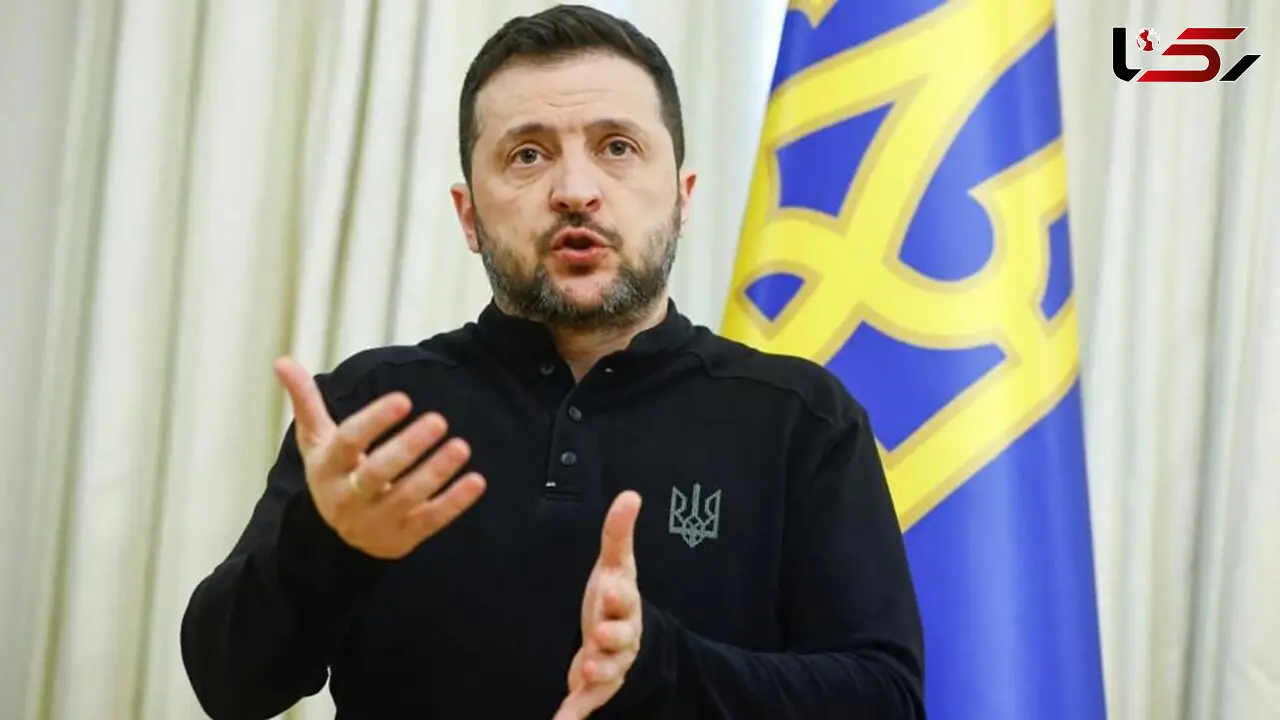
According to Rokna, citing The Guardian, based the latest updates on the US-mediated peace talks, Ukrainian President Volodymyr Zelenskyy appears to have secured several key concessions compared to earlier drafts of the plan after intensive discussions with the American negotiating team. Whether or not Moscow accepts the proposal, the development marks a diplomatic win for Kyiv, which successfully revised a previous US draft criticized as being aligned with Kremlin interests. Zelenskyy stated that US negotiators were expected to engage with the Kremlin on Wednesday.
In the current version of the peace plan, Ukraine agrees in principle to the establishment of a demilitarized zone in its eastern regions, long a point of contention, while insisting that Russia undertake a comparable withdrawal of forces. The proposal’s details were reportedly sent to Russian President Vladimir Putin by his envoy, Kirill Dmitriev. A Kremlin spokesperson stated that Moscow is reviewing the plan and will not issue an immediate public comment. Dmitry Peskov added that Dmitriev had briefed Putin following his recent Miami discussions with Trump’s envoys, but declined to discuss Russia’s position or the specifics of the documents, emphasizing that the Kremlin would not communicate through the media.
Putin has recently insisted that peace terms should include Ukraine ceding approximately 5,000 square kilometers of Donbas territory and officially renouncing any intention to join NATO. Meanwhile, Ukraine is prepared to make several difficult concessions, including the partial redeployment of troops from the eastern frontline and stepping back from its long-held ambition of NATO membership in exchange for US-European security guarantees akin to Article 5 of the NATO treaty. The precise nature of these guarantees remains unclear.
The updated plan also envisions the withdrawal of Russian forces from Dnipropetrovsk, Mykolaiv, Sumy, and Kharkiv regions, with international forces deployed along the contact line to monitor implementation. Zelenskyy presented the proposals during a two-hour briefing with journalists, highlighting annotated points in the draft. He suggested that the plan strengthens Ukraine’s position, with Moscow facing the risk of increased US military support and expanded sanctions should it reject the agreement.
Zelenskyy emphasized that the agreed lines of troop deployment in Donetsk, Luhansk, Zaporizhzhia, and Kherson would be recognized de facto, with a working group tasked to determine redeployment measures and define parameters for potential special economic zones. He noted that the plan paves the way for, but delays, Ukrainian troop withdrawals and the creation of demilitarized zones previously avoided.
He further explained that any troop withdrawals would require approval via a referendum in Ukraine. On NATO membership, Zelenskyy reiterated that the decision rests with alliance members, stating that Ukraine has abandoned proposed constitutional changes that would have barred joining NATO.
Russia, however, continues to insist on full control of Donetsk, leaving substantial uncertainty over whether it will accept either a demilitarized buffer zone or partial withdrawals. Other contentious issues remain, including the management of the Zaporizhzhia nuclear plant, which Kyiv insists should be jointly administered by Ukraine and the US.
The press briefing came after repeated attempts by Donald Trump to mediate an end to the four-year conflict triggered by Russia’s 2022 invasion, which has resulted in tens of thousands of deaths, widespread destruction in eastern Ukraine, and millions displaced. Russian forces continue their offensives, targeting Ukrainian cities and energy infrastructure with nightly missile and drone attacks. The Russian defense ministry announced on Wednesday the capture of another settlement in southern Zaporizhzhia. Moscow claims to have annexed Donetsk, Kherson, Luhansk, and Zaporizhzhia in 2022, in addition to Crimea, which it seized in 2014.