

Who Benefits from the Ongoing Tensions Between Iran and the U.S.? / Continued Confrontation Harms the Country
Rokna Political Desk: Former Iranian diplomat Fereydoun Majlesi has stated that the continuation of tensions between Iran and the United States will not be in the country’s interest, stressing that “the welfare, comfort, and well-being of the Iranian people must be the top priority for policymakers.”
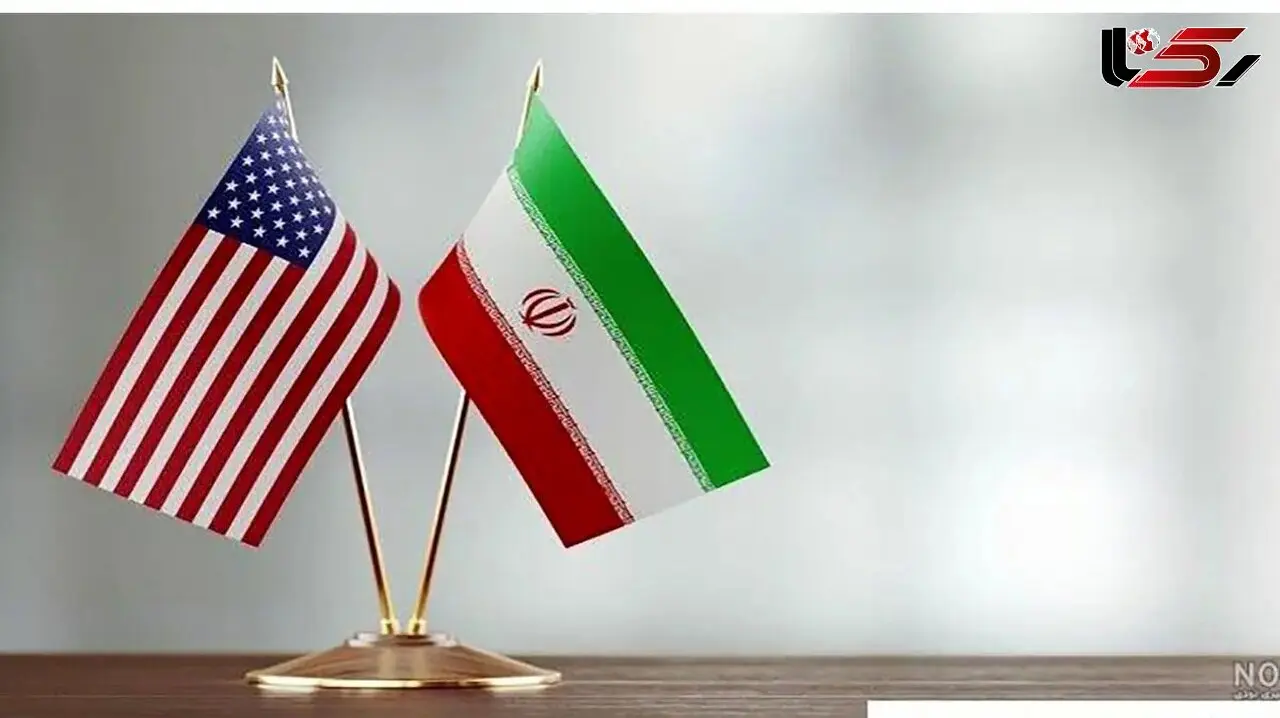
According to Rokna, on Monday, U.S. President Donald Trump said in an interview that, based on the information available to him, Iran currently has no nuclear capability. His remarks came shortly after Tehran announced that it had received an invitation from Washington, through intermediaries, to begin new talks — a claim similar to others that have been repeatedly made and quickly denied.
Meanwhile, Iran’s Supreme National Security Council emphasized that no concessions would be granted without a clear framework and that any negotiations must take place under realistic conditions.
The government spokesman had also stated in October that Iran had even proposed direct talks with Mr. Witkoff and the foreign ministers of three European countries, but the U.S. side had refused.
Fereydoun Majlesi said, “The continuation of hostilities between Iran and the U.S. will not benefit the country. What must be prioritized by policymakers is the welfare, comfort, and health of the Iranian people.”
Emphasizing that “long-standing enmities only lead to economic and social exhaustion,” he added: “Iran was once among the wealthiest countries in Asia, yet today it ranks among the poorest. Officials must act in the best interest of the nation and avoid paths that generate further tension. Reconciliation is only possible if the United States ceases its support for Israel — a prospect that, given the deep ties between Washington and Tel Aviv, seems practically impossible.”
The former Iranian diplomat further noted: “Officials must place national interests above emotional or personal stances. Iran should establish balanced, healthy, and independent relations with all countries — including those in the region, Asia, Europe, and even the United States. Returning to colonial-era behavior from centuries past will not help solve today’s challenges. The country must avoid dependence on any foreign power.”
He continued: “No country should be Iran’s eternal enemy or everlasting friend. We do not need friendship with the United States, nor enmity with any nation. Iran’s foreign policy should be based on national interests and the peace of its people.”
In response to a question about reformists’ views toward the West, Majlesi said: “True reformists believe in Iran’s independence. They envision a country that does not require U.S. Treasury Department authorization to trade and engage economically with others. Independence means the ability to maintain balanced relations with East and West, North and South. Iran should use Western technology, Chinese industry, and Russian resources to foster its development — without aligning itself with any power bloc. The correct policy is to pursue healthy, balanced relations with the entire world.”
Considering Majlesi’s remarks and his 47 years of experience, it is clear that tension and reconciliation form an ongoing cycle. Iran can only safeguard its interests by avoiding dependency on foreign powers and strengthening its economy and industry. Ultimately, national interests, public welfare, and cultural development must remain the guiding principles of Iran’s foreign policy — not irreparable hostilities or reliance on major powers.
Send Comments