

Ukraine and Russia Launch Second Round of US-Mediated Peace Talks in Abu Dhabi
Rokna Political Desk: Negotiators from Ukraine and Russia have opened a second round of peace talks brokered by the United States in Abu Dhabi, as Washington looks for a way to bring an end to the nearly four-year conflict in Ukraine.
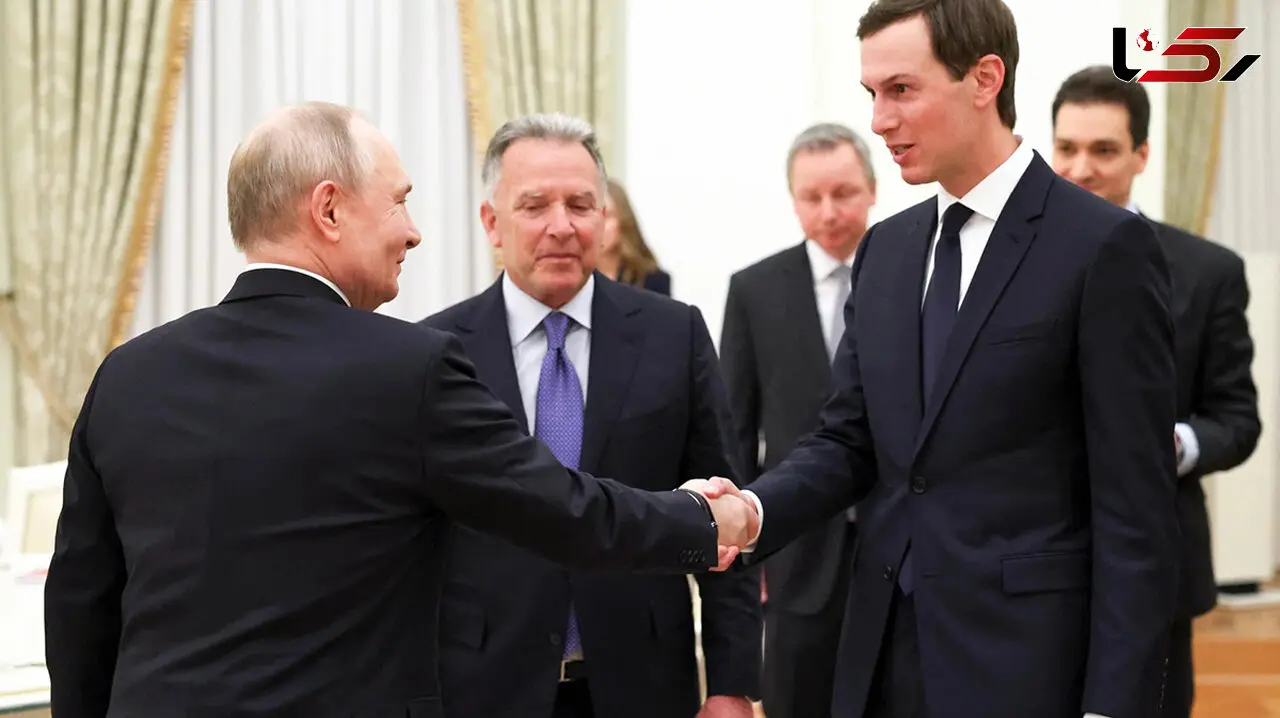
Accordint to Rokna, citing The Guardian, the two-day trilateral negotiations, which began on Wednesday, follow accusations by Ukrainian President Volodymyr Zelenskyy that Russia took advantage of a US-supported energy ceasefire last week to amass weapons before carrying out a record number of ballistic missile strikes on Ukraine on Tuesday.
Despite renewed diplomatic engagement by the Trump administration, the chances of reaching a sustainable peace agreement remain uncertain. Moscow continues to insist on sweeping territorial demands, with the Kremlin repeatedly stating that any deal must involve Ukraine relinquishing the entire eastern Donbas region, including territories still controlled by Kyiv. Ukraine has firmly rejected these conditions, arguing instead for freezing the conflict along the current frontlines and ruling out any unilateral withdrawal of its forces.
Significant hurdles persist. Russia has made clear it will not accept the deployment of European troops on Ukrainian territory, a requirement Kyiv considers vital for credible security assurances. Addressing Ukraine’s parliament on Tuesday, Nato Secretary General Mark Rutte said European allies had pledged to send forces to Ukraine once an agreement is reached—a proposal Moscow has so far categorically dismissed.
On Wednesday, Kremlin spokesperson Dmitry Peskov said Russian forces would continue military operations until Kyiv made “decisions” capable of ending the war, highlighting Moscow’s uncompromising position even as talks resumed.
Ahead of the negotiations, Ukraine suffered a diplomatic setback when President Donald Trump declined to criticize Russia for launching missile and drone attacks on Ukraine’s energy infrastructure despite an apparent ceasefire. In response, Zelenskyy wrote that Russia preferred “using the coldest days of winter to terrorise civilians” rather than pursuing diplomacy, calling on Western governments to condemn the strikes.
Later on Tuesday, Trump said Russian President Vladimir Putin had “honoured his word” regarding the ceasefire, adding that Moscow’s halt in attacks was only intended to last until Sunday.
The second round of talks had originally been scheduled to begin on Sunday in Abu Dhabi but was delayed until Wednesday due to escalating regional tensions linked to Iran.
US special envoy Steve Witkoff and Jared Kushner, President Trump’s son-in-law, traveled to Abu Dhabi for the negotiations. The pair have become prominent figures in US diplomacy, moving between talks related to the Middle East, Iran, and the war in Ukraine, though they have faced criticism over their limited formal diplomatic backgrounds.
Ukraine’s delegation includes Kyrylo Budanov, former head of military intelligence and current chief of the presidential administration, along with Andrii Hnatov, the head of the general staff. The Russian team is led by Igor Kostyukov, director of the GRU military intelligence agency, accompanied by senior intelligence officials and Kremlin investment envoy Kirill Dmitriev.
Speculation has surfaced about a possible meeting between Presidents Putin and Zelenskyy, but the Kremlin has said it would only consent if the Ukrainian leader agreed to travel to Moscow.
Demonstrating wartime alignment, Putin held a video conference with Chinese President Xi Jinping on Wednesday, with both leaders praising the strength of their bilateral relationship. China has become a key economic supporter of Russia, increasing trade and oil purchases as Western sanctions intensify. Ukraine and several European countries have accused Beijing of supplying weapons to Russia, claims China denies.
The United States has previously urged India, another close Russian partner, to scale back its purchases of Russian oil, which Western officials say help fund Moscow’s war effort.