

Rokna Reports:
Lake Urmia One Step Behind Last Year / 70-Square-Kilometer Decline in Lake Urmia’s Area in One Year
Rokna Social Desk: While officials speak of a “relative improvement” in the condition of Lake Urmia, the latest official statistics from the West Azerbaijan Regional Water Company present a different narrative. As of February 7 this year (19 Bahman), the lake’s water level has reached 1,270.10 meters and its surface area stands at 870 square kilometers; figures that are lower than those recorded during the same period last year, both in terms of water level and surface extent. Although this difference may appear minor, for the fragile ecosystem of Urmia it constitutes a serious warning — one that indicates the lake’s restoration project has yet to move beyond slogans and short-term measures, and that its sustainability remains dependent on difficult and urgent managerial decisions.
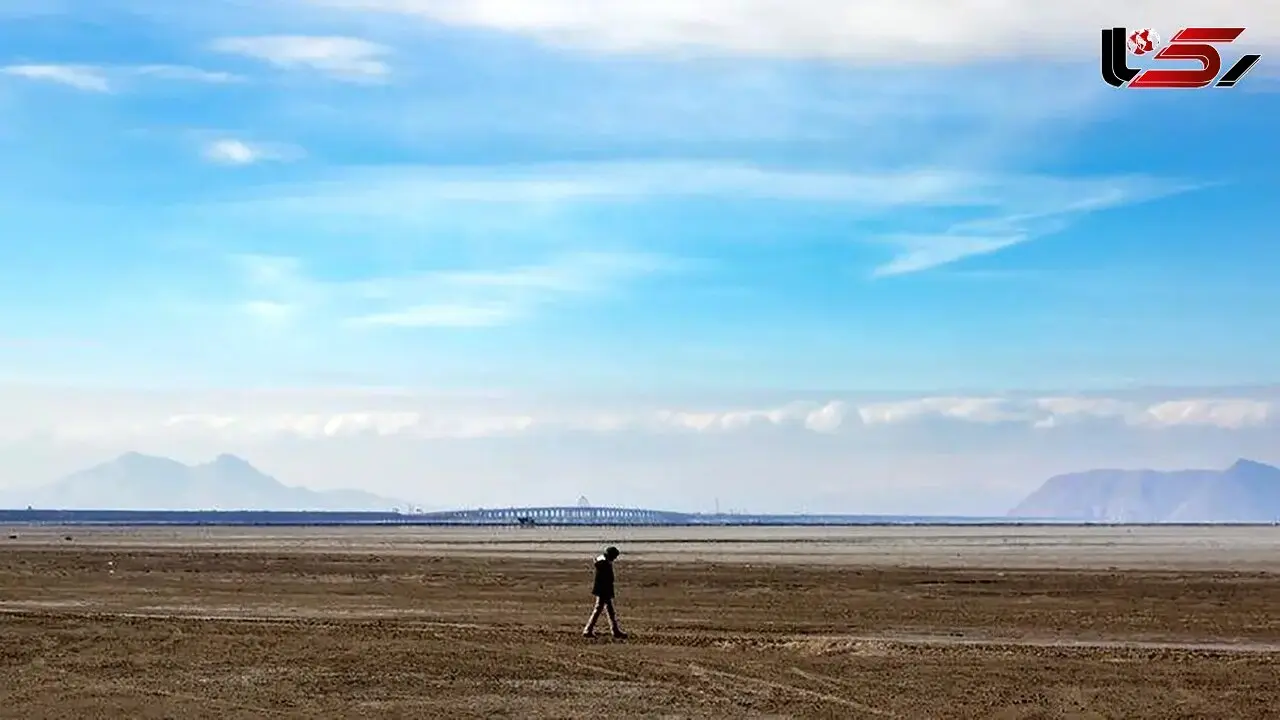
According to Rokna’s social affairs correspondent, a cold winter wind blows across the half-wet bed of the lake — a place that years ago stretched blue as far as the eye could see, and today bears white traces of salt, a reminder of the years when the drought crisis weighed heavily on Urmia’s shoulders. Amid this winter silence, the latest official statistics show that the lake’s pulse continues to beat fragily.
According to Majid Rastgari, Managing Director of the West Azerbaijan Regional Water Company, as of February 7 this year (19 Bahman), the water level of Lake Urmia has reached 1,270.10 meters and its area has been recorded at 870 square kilometers.
Although these figures, compared with the crisis years of the past, indicate the relative continuation of refilling, they do not present a particularly hopeful picture when compared with last year.
Comparative statistics show that during the same period last year, the lake’s level stood at 1,270.14 meters and its area measured 940 square kilometers — 70 square kilometers more than current conditions. This relative decline in area, though seemingly small at first glance, represents a serious alarm for a sensitive ecosystem such as Urmia.
Water sector experts believe that fluctuations in Lake Urmia’s level depend primarily on two key factors: annual precipitation levels and water resource management within the basin. In recent years, with the implementation of water transfer projects, river dredging, and the control of illegal withdrawals, an improving trend had taken shape. However, this year’s statistics show that the process has not yet reached a stage of stable sustainability.
According to the Managing Director of the West Azerbaijan Regional Water Company, the “relative improvement” in conditions does not mean that the lake has exited its fragile state. The 0.04-meter decline in water level compared to last year, although not a large figure in appearance, when accompanied by a significant reduction in surface area, may signal serious vulnerability.
Environmental specialists have repeatedly warned that the restoration of Lake Urmia is not a short-term project, but rather one that requires long-term planning, integrated water resource management, reform of agricultural cultivation patterns in surrounding provinces, and the continued release of environmental water rights. Any interruption in this chain can quickly neutralize several years of achievements.
The reality is that Urmia still moves along a narrow line between restoration and a return to crisis. Although managerial efforts in recent years have prevented a repetition of past catastrophes, current data serve as a reminder that the road ahead remains long and difficult.
Lake Urmia is more than a body of water; the economic, environmental, and social pulse of the country’s northwest is tied to it. Today’s statistics carry a clear message: for its complete salvation, both nature and management must cooperate. A pause in either could once again cast the shadow of crisis over this natural heritage of Iran.
Send Comments