

Marco Rubio Briefs U.S. Lawmakers on Iran as Trump Uses State of the Union to Warn Against Nuclear Ambitions
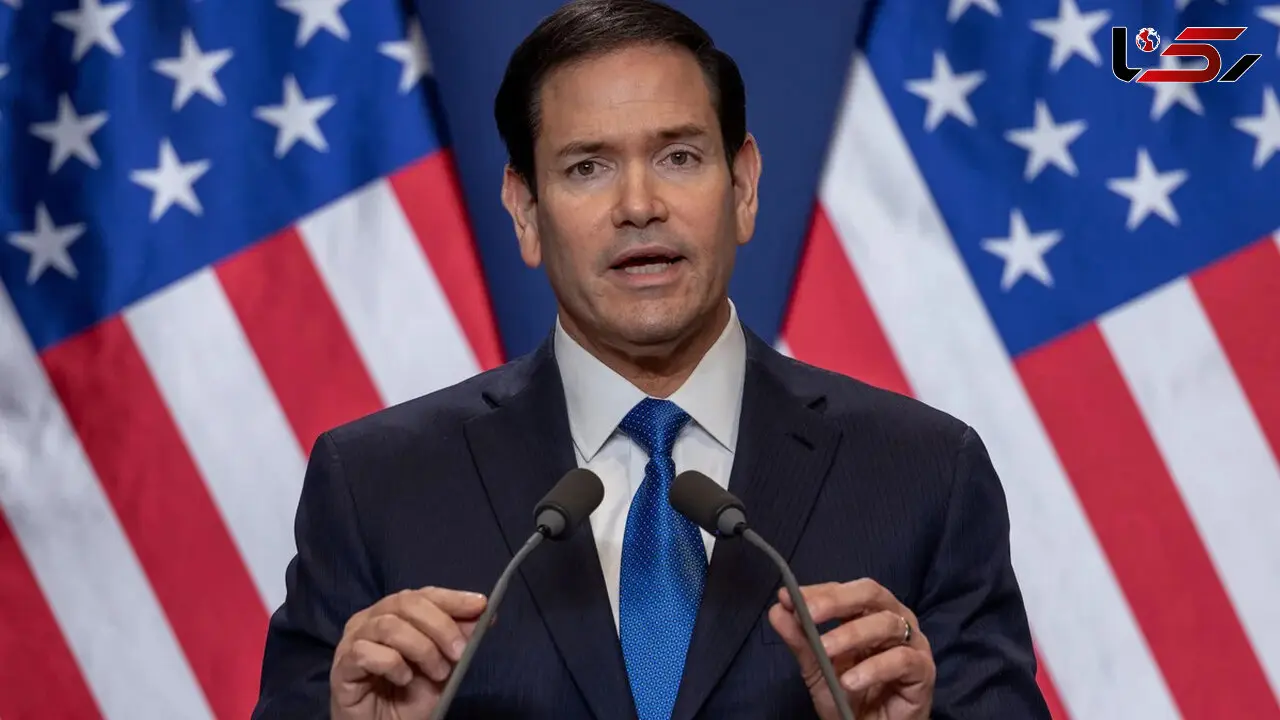
Rokna Political Desk: U.S. Senator Marco Rubio delivered a rare briefing to senior American lawmakers on Iran, just hours before President Donald Trump used his State of the Union address to assert that Tehran would never be allowed to develop nuclear weapons.
According to Rokna, citing The Guardian, Amid the largest deployment of U.S. aircraft and naval forces to the Middle East since the 2003 Iraq buildup, Trump emphasized his preference for resolving tensions with Iran diplomatically. He also claimed that Iran was pursuing ballistic missiles capable of reaching U.S. territory, without providing further specifics.
“They already have missiles that can threaten Europe and our bases overseas,” Trump said. “And they are working on missiles that could soon reach the United States.”
Trump added, “We are negotiating with them. They want a deal. But we have yet to hear the definitive words: we will never have a nuclear weapon.”
Rubio, serving as U.S. Secretary of State for the briefing, addressed the so-called “Gang of Eight,” which includes the top lawmakers from both parties in the House and Senate, as well as the chairs and ranking members of the House and Senate intelligence committees. This group is briefed on classified intelligence, which can include preparations for major military operations. Rubio last briefed the group publicly on January 5, following the successful U.S. operation to capture Venezuelan President Nicolás Maduro.
The briefing occurred just as a second U.S. aircraft carrier, the USS Gerald Ford—the largest of its kind globally—arrived in the region, positioning the U.S. to potentially launch a strike on Iran if ordered by Trump. The contents of Rubio’s briefing remain classified.
Following the session, Senate Minority Leader Chuck Schumer stated: “This is a serious matter, and the administration must explain its case to the American people.” Jim Himes, ranking Democrat on the House Intelligence Committee, added: “Wars in the Middle East rarely go well for presidents or the country, and no clear rationale has been presented for why now is the right time for another conflict there.”
Trump’s State of the Union speech, scheduled for Tuesday evening, was expected to focus heavily on his foreign policy. The president has demanded that Iran abandon its nuclear program, halt ballistic missile production, and end support for proxies like Hezbollah and Yemen’s Houthis.
U.S.-Iran talks are set for Thursday in Geneva. In an NPR interview, Iran’s Deputy Foreign Minister Majid Takht-Ravanchi stated that Tehran is “ready to reach an agreement as soon as possible” but clarified that negotiations would concern only its nuclear program, a stance unlikely to satisfy the White House.
Last week, Trump warned that if Iran does not reach an agreement, the U.S. may need to “take it a step further,” threatening “really bad consequences” within a ten-day window. In parallel, non-essential personnel have been evacuated from the U.S. embassy in Lebanon due to a heightened threat assessment. Reports indicate Rubio postponed a meeting with Israeli Prime Minister Benjamin Netanyahu from Saturday to Monday.
According to The Guardian and other media, Gen. Dan Caine, chair of the Joint Chiefs of Staff, cautioned that conflict with Iran could severely deplete U.S. missile defense stockpiles, including Patriots, THAAD systems, and ship-launched interceptors. Trump rejected interpretations suggesting Caine opposed military action, emphasizing on Truth Social that Caine “knows how to win” and would lead if ordered.
Trump has yet to decide on military strikes against Iran, with his final decision likely hinging on the Geneva talks. The U.S. delegation will include Steve Witkoff, Trump’s longtime friend and Middle East envoy, his son-in-law Jared Kushner, Vice President JD Vance, Secretary of State Marco Rubio, CIA Director John Ratcliffe, Defense Secretary Pete Hegseth, White House Chief of Staff Susie Wiles, and Director of National Intelligence Tulsi Gabbard.
Officials note Trump could authorize a limited strike aimed at influencing negotiations or a more extensive operation to decapitate the Iranian government. Retired Air Force General Charles Wald, former deputy commander of U.S. European Command, commented that the USS Gerald Ford’s positioning near Crete enhances U.S. ability to defend Israel from potential Iranian retaliation, adding that Trump’s red-line warnings could push him toward military action.
Wald, now a distinguished fellow at the Jewish Institute for National Security of America, concluded: “If Iran does not comply and then takes no action, the consequences could be twice as severe as when Obama refrained from intervening in Syria regarding chemical weapons."
Send Comments