

Iran and U.S. Reaffirm Diplomacy at U.N., but Deep Divisions Over Nuclear Deal Persist
Rokna Political Desk: Iran and the United States reiterated their stated commitment to diplomacy during a tense meeting of the U.N. Security Council on Tuesday, but sharp divisions between Washington and Tehran over reviving a nuclear agreement remain unresolved.
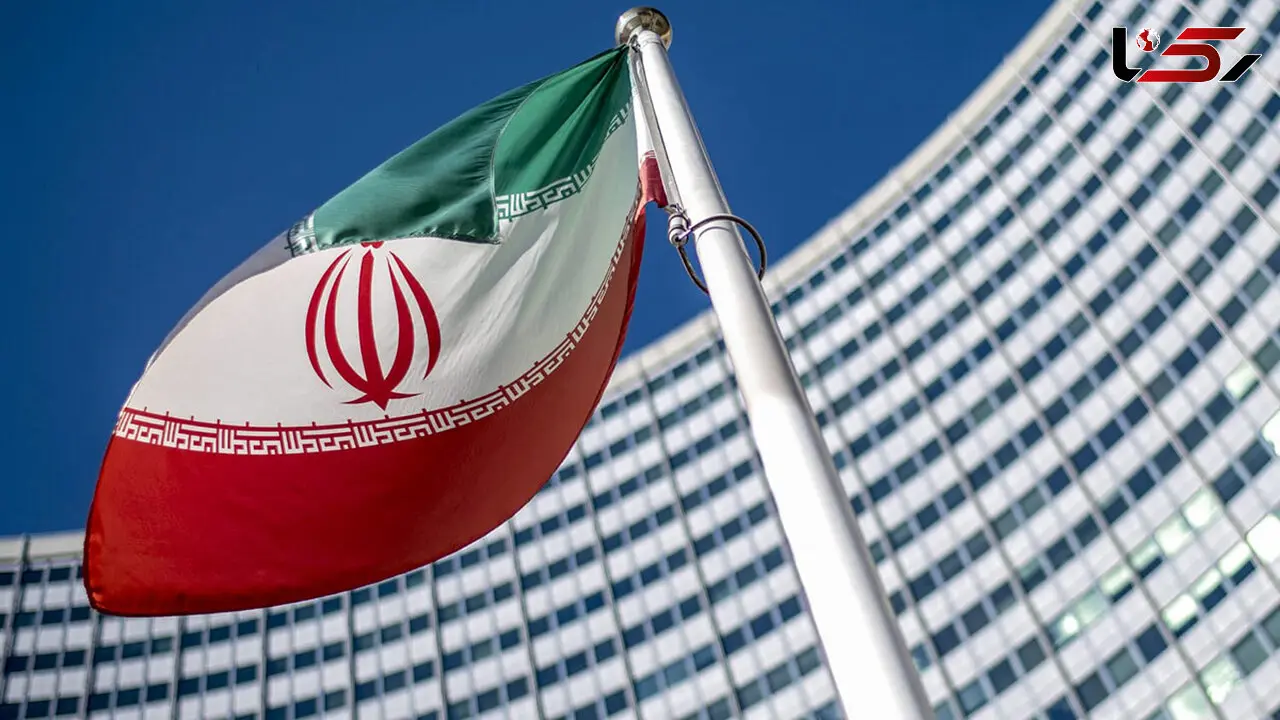
According to Rokna, citing NBC, a sixth round of talks between the two sides had been expected to take place shortly after Israel’s 12-day war with Iran in June, during which the United States joined Israeli strikes on Iranian nuclear facilities. Those negotiations were later called off, and in September Iran’s Supreme Leader Ayatollah Ali Khamenei ruled out any direct nuclear talks with Washington.
Despite that stance, Iran’s U.N. Ambassador Amir Saeid Iravani told the Security Council that “Iran remains fully committed to principled diplomacy and genuine negotiations,” adding that it was now up to France, Britain and the United States “to change course and take concrete and credible steps to rebuild trust and confidence.”
Iravani said Tehran continues to adhere to the fundamental principles of the 2015 nuclear agreement, which sought to prevent Iran from developing nuclear weapons in return for sanctions relief. The United States withdrew from the deal in 2018 under President Donald Trump, abandoning the accord reached between Iran and the five permanent members of the Security Council, along with Germany.
In a rare direct exchange, U.S. Mission counselor Morgan Ortagus, a close Trump ally and former State Department spokesperson, said Washington remains open to formal negotiations with Iran, but only if Tehran is willing to engage in direct and substantive dialogue.
Ortagus said Trump had extended “the hand of diplomacy” to Iran during both of his terms in office, but accused Tehran of rejecting that approach. She reiterated that the Trump administration’s position rules out any enrichment of nuclear material inside Iran, a core issue of disagreement between the two sides.
Iravani responded that Washington’s demand for zero enrichment violates Iran’s rights under the 2015 agreement and demonstrates a lack of genuine interest in fair negotiations. He warned that if France and Britain continue to align with the U.S. position, “diplomacy will be effectively destroyed,” stressing that Iran “will not submit to pressure or intimidation.”
In September, the deal’s three Western European parties — Britain, France and Germany — activated a “snapback” mechanism to restore previously lifted sanctions, citing Iran’s failure to meet its obligations under the agreement.
Amid rising tensions, Iran has stepped up its uranium production to levels close to weapons-grade. The Vienna-based International Atomic Energy Agency has reported that Iran now possesses more than 440 kilograms of uranium enriched to 60%, a short technical step away from the 90% level required for nuclear weapons.
France’s deputy U.N. ambassador, Jay Dharmadhikari, defended the reimposition of sanctions, saying Iran has been in “increasingly blatant violation” of limits intended to ensure the peaceful nature of its nuclear program since 2019. He added, however, that sanctions do not rule out continued efforts to reach a diplomatic solution.
Russia’s U.N. Ambassador Vassily Nebenzia sharply criticized France’s position, telling the French envoy that Western diplomatic efforts on the Iranian nuclear issue had “failed miserably.”
Send Comments