

Israel Steps Up Covert Campaign in Syria to Undermine New Government
Rokna Political Desk: Israel has intensified covert activities inside Syria, aiming to weaken the authority of the country’s new leadership amid growing concerns over the interim president’s background and potential security risks.
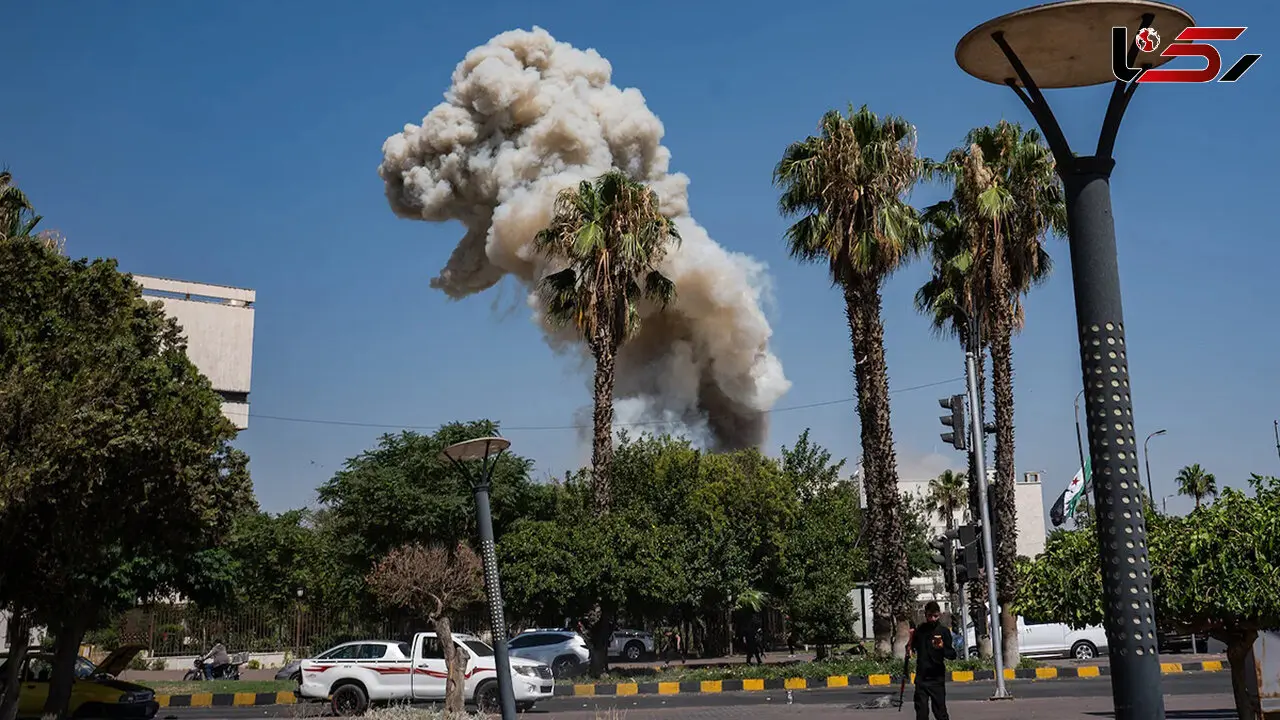
Israel has intensified covert operations inside Syria in what appears to be a calculated effort to undermine the authority of the country’s new government, according to multiple regional assessments. Israeli officials view Syria’s interim president, Ahmed al-Sharaa, with deep suspicion due to his long history as an Islamist militant and fear that his consolidation of power could eventually pose a direct security threat to Israel.
In recent months, Israel has reportedly expanded its behind-the-scenes engagement with armed groups opposed to the Damascus government. These activities are said to include the provision of weapons, intelligence support and financial assistance to local militias operating in areas beyond the central government’s control. The support is aimed at limiting al-Sharaa’s ability to stabilize the country and establish unified command over Syria’s fractured security landscape.
Israeli security circles are particularly concerned that al-Sharaa, despite presenting himself as a pragmatic leader seeking international legitimacy, may ultimately allow hostile forces to operate near Israel’s borders. As a result, Israel appears to be pursuing a strategy focused on containment rather than direct confrontation, using indirect means to shape the balance of power on the ground.
The covert campaign comes amid broader regional uncertainty following the collapse of the previous Syrian government and the emergence of a fragile transitional authority in Damascus. While al-Sharaa has pledged to restore order and prevent Syria from becoming a platform for attacks on neighboring states, Israeli officials remain unconvinced and continue to view his background and alliances as a long-term risk.
Observers note that Israel’s actions reflect a longstanding doctrine aimed at preventing hostile actors from gaining uncontested control in neighboring states. However, critics warn that sustained covert interference could further destabilize Syria, deepen internal divisions and complicate efforts to rebuild the country after years of war.
As Syria’s new leadership struggles to assert control and gain international recognition, Israel’s shadow campaign highlights the fragile and contested nature of the post-war order in the region.
Send Comments