

Video / Strait of Hormuz Blockade Scenario and Major Energy Shock
Rokna Political Desk: The Strait of Hormuz, as one of the world’s most strategic maritime passages, plays a key role in the transportation of crude oil and liquefied natural gas. A significant portion of energy exports from the Persian Gulf countries passes through this route daily, and any disruption could have consequences beyond the region.
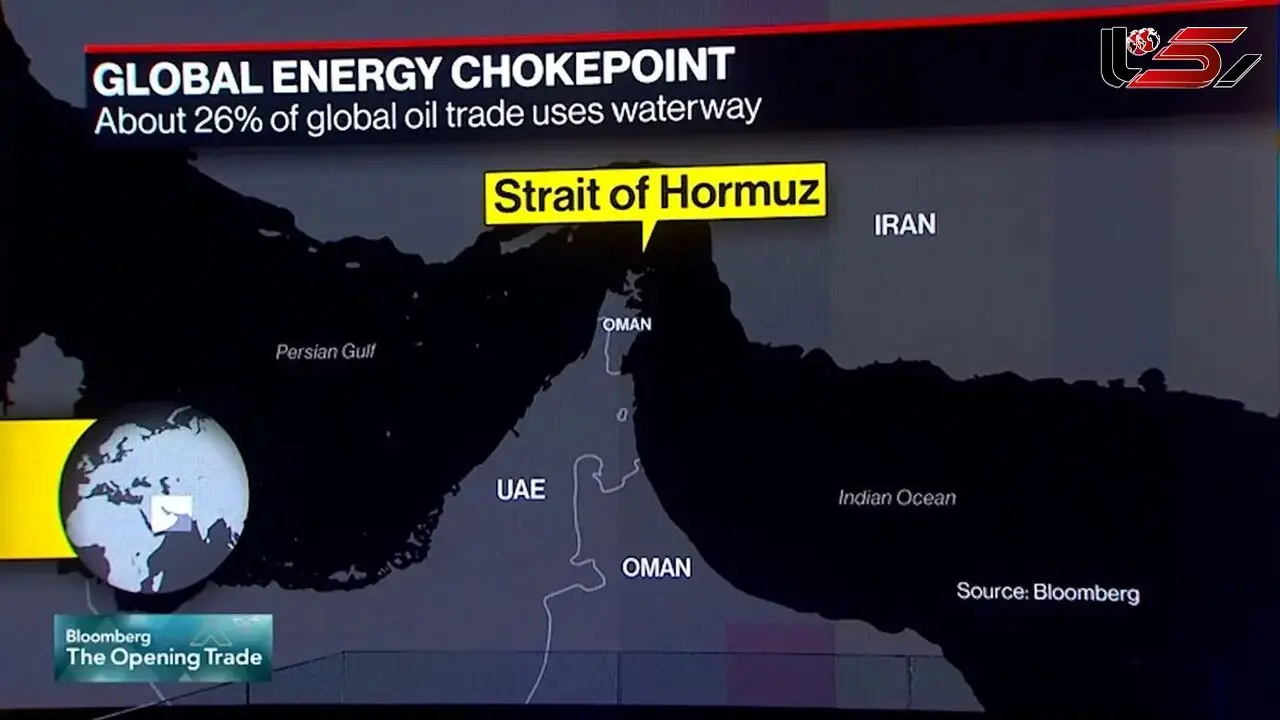
In the event of a closure of the strait, the immediate consequence would be a sharp surge in global oil prices. A sudden drop in supply would trigger a price shock, increasing energy costs for consumers and industries. This situation could spark a new wave of global inflation, particularly in countries that are highly dependent on energy imports.
Alternative routes for transporting oil are limited. Some pipelines in the region can transfer a portion of exports, but their capacity cannot accommodate the full volume passing through the strait. Therefore, in the event of a prolonged blockade, the global market would face a sustained supply shortage.
In addition to economic consequences, a closure of the Strait of Hormuz could intensify geopolitical tensions and challenge international shipping security. Many analysts believe that such a scenario would affect not only energy markets but also global economic growth.
Overall, the strategic importance of the Strait of Hormuz means that any threat to it quickly becomes a global concern, one to which the stability of the international economy is directly linked.
Send Comments