

Claim by Ali Vaez in The New York Times:
Iran Could Disable Israel’s Air Defenses by Launching 2,000 Missiles
Rokna Political Desk: By ramping up round-the-clock missile production, Iran would be capable, in the event of war, of launching 2,000 missiles simultaneously, a volume that could overwhelm and disrupt Israel’s air defense systems.
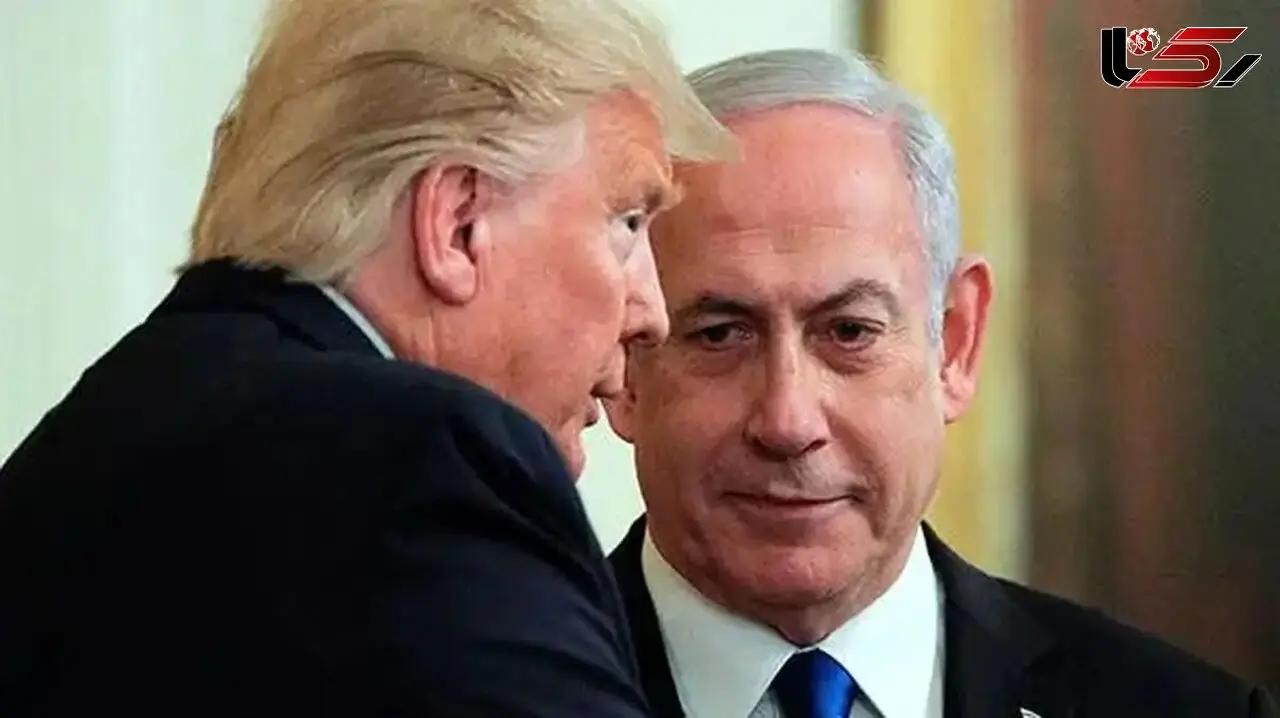
The American news outlet NBC News reported on Saturday that Israeli Prime Minister Benjamin Netanyahu, during his upcoming trip to the United States, intends to persuade Donald Trump of what he describes as the serious threat posed by the Islamic Republic of Iran and the necessity of taking urgent action against Tehran.
According to Rokna, citing Euronews, Israeli officials say Netanyahu’s argument for convincing Trump to approve additional strike plans is that Iran’s nuclear program poses a danger not only to Israel, but also to the region and to US interests.
These Israeli officials believe that Iran has rapidly rebuilt its missile capabilities to the extent that it has achieved the capacity to produce 3,000 ballistic missiles per year.
Israeli officials expect the prime minister to meet the US president on December 29 (Dey 8) at Trump’s Mar-a-Lago residence in Florida.
According to these officials, Netanyahu is likely to attempt during the meeting to convince the US president that Iran’s ballistic missile program constitutes a threat requiring immediate action.
They added that part of Netanyahu’s argument will be that Iran’s nuclear program represents a threat not only to Israel, but also to the region and to US interests. According to them, the Israeli prime minister will present Trump with options regarding the potential level of US involvement in such attacks.
Possible Options Presented by Netanyahu to Trump
According to an informed source, Israeli officials presented Donald Trump with four military action options prior to the June attacks on Iran. These officials laid out the plans on a coffee table in the Oval Office and presented them to Trump.
The first plan involved unilateral action by Israel. The second plan included limited US support. The third plan entailed a joint US-Israeli operation against Iran. The fourth option proposed that the United States attack Iran on its own. Trump ultimately chose the third option, namely a joint operation.
According to this informed source, Netanyahu is likely to present similar plans to the US president during his meeting with Donald Trump at Mar-a-Lago.
These developments come at a time when tensions are ongoing between Israeli and American officials over Netanyahu’s approach to the Gaza ceasefire and the transition to its second phase.
According to two former Israeli officials, if these tensions persist, Trump may show less inclination toward renewed military action against Iran.
According to US officials and a source familiar with Israeli plans, if Iran’s ballistic missile production capability is not curtailed, it could reach a level of producing 3,000 missiles per year. Israeli officials say that Iran’s missile production capacity and the number of ballistic missiles it could deploy in a single strike constitute Israel’s primary concern.
Ali Vaez, director of the Iran Project at the International Crisis Group, claimed last month in an interview with The New York Times that Iranian officials had told him that missile factories are operating “around the clock” and that “if another war breaks out, they hope to launch 2,000 missiles at once instead of the 500 fired over 12 days, in order to disable Israel’s air defenses.”
“Iran Is Preparing for the Next War”
Danny Citrinowicz, a senior researcher in the Iran and Shiite Axis Program at Israel’s Institute for National Security Studies, wrote in an article published on Saturday in the newspaper Israel Hayom that Israel’s operational achievements in the 12-day war with Iran did not translate into a genuine strategic victory. This is because Tehran believes that another confrontation with Israel is inevitable and that the only question is when. As a result, Iran has placed particular emphasis on rebuilding its missile arsenal.
According to this researcher and former Israeli military official, six months after the 12-day war, and despite Israeli strikes, it appears that no fundamental change has occurred. Iran is rebuilding its missile array and, according to some reports, has taken steps to revive its nuclear program, while continuing to reject any agreement that would limit its nuclear program or move enrichment activities outside Iranian territory.
The former Israeli military official added that, most importantly, Tehran is preparing for another war with Israel and is seeking to apply the lessons learned from the previous round of confrontation.