

Brigitte Bardot Dies at 91: From Cinematic Icon of Freedom to Fierce Champion of Animal Rights
Rokna Social Desk: Brigitte Bardot, the French icon of beauty and rebellion, passed away at the age of 91. She played a pivotal role in the sexual revolution in cinema with her daring performances in films like Jean-Luc Godard's Contempt. Later in her life, she left the limelight of Hollywood to become a passionate and controversial advocate for animal rights.
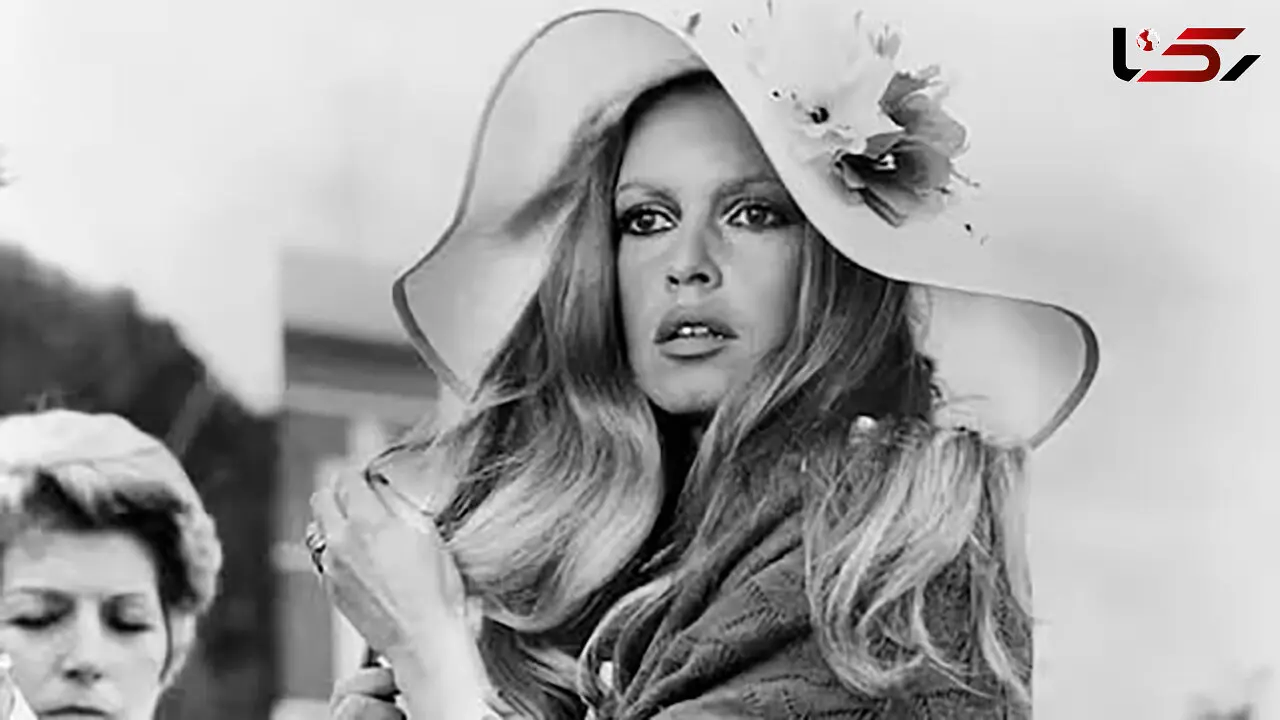
According to Rokna, citing CNN, Bardot's death was confirmed by a statement from her foundation, which praised her dedication to improving the lives of animals. The foundation remarked, "Her legacy lives on through our continued work, driven by the same passion and commitment to her ideals." Bardot's personal journey—from a sensual movie star to an animal rights activist—captured the world's attention, making her a global symbol of independence and beauty.
Known simply as "B.B." in France, Bardot shocked audiences in the 1950s and 60s with her uninhibited sexuality, becoming a sensation in both Europe and the United States. Her work helped bring foreign cinema to American audiences at a time when Hollywood films were heavily censored. In 1961, Life magazine declared, "Everywhere girls walk, dress, wear their hair like Bardot and wish they were free souls like her."
French President Emmanuel Macron honored her memory, calling her "a symbol of freedom," acknowledging her cultural impact and her outspoken advocacy for animal rights.
Bardot, one of the first modern celebrities, attracted attention not only for her relationships but for her unapologetic embrace of hedonism, long before the feminist movements of the 1970s. French writer Simone de Beauvoir once described her as a "hunter" in love, asserting that Bardot and her lovers treated each other as equals. Despite dismissing her acting abilities, Bardot’s charm and charisma made her a star in over 40 films, including And God Created Woman (1956), Contempt (1963), and Viva Maria! (1965). She also found success as a singer in the 60s.
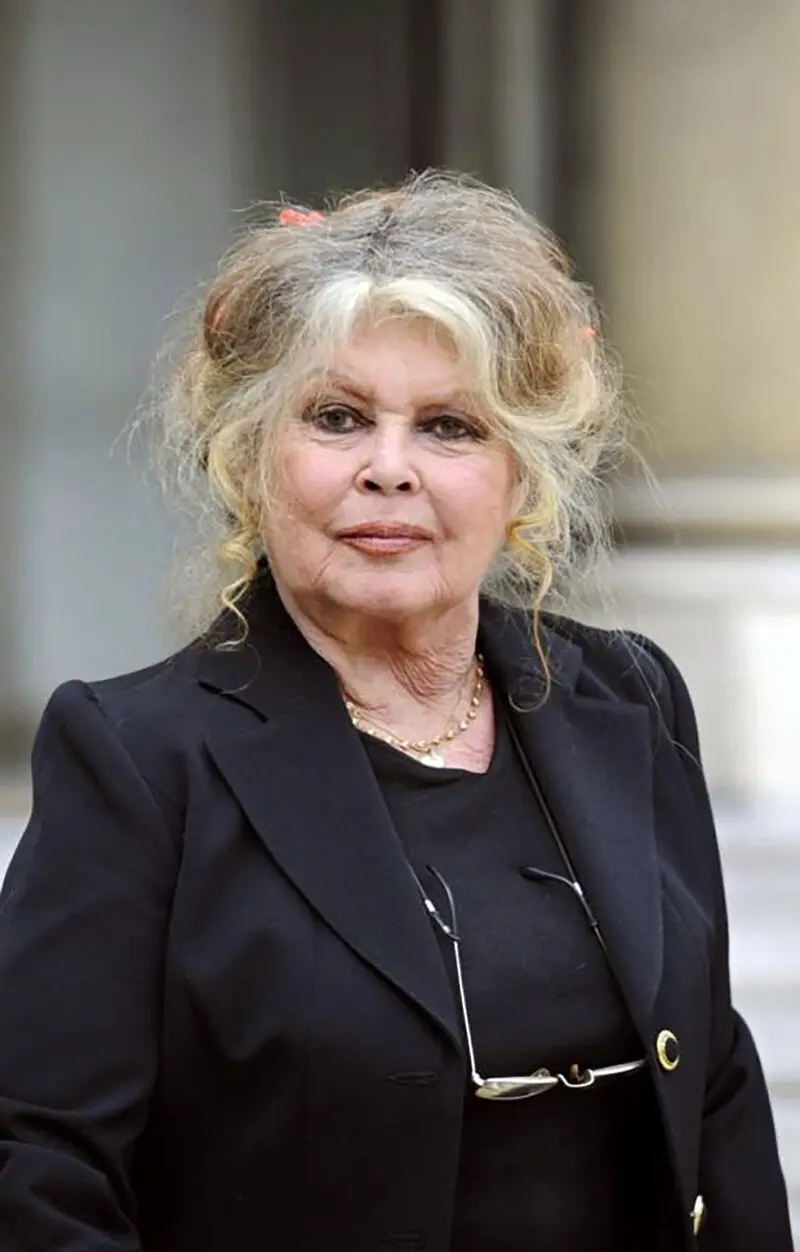
Her unique fashion sense, with her famous platinum blonde hair and laid-back style, kept her in the public eye well after the '60s. Icons like Jane Fonda and Julie Christie emulated her, while models such as Kate Moss and Claudia Schiffer copied her signature tousled look. According to art dealer James Hyman, Bardot's appeal lay in her authenticity, simplicity, and freedom—she was a feminist figure who defied traditional norms by openly taking lovers and living freely.
In 1973, Bardot retired from acting at the age of 39 and turned her attention to animals. She said, "I gave my beauty and youth to men, and now I give my wisdom to animals," dedicating her life to animal welfare through the Brigitte Bardot Foundation. Her controversial views, particularly her anti-immigrant statements and support of far-right political figures, generated backlash, but she remained firm in her convictions.
Bardot never sought to conform to public expectations of aging, and unlike many of her Hollywood peers, she refused plastic surgery. She allowed her natural aging process to take its course, letting her hair go gray and accepting the marks of time.
Born in Paris on September 28, 1934, Bardot came from a middle-class family with no ties to the entertainment industry. Her career began after she appeared on the cover of Elle magazine at age 15, attracting the attention of film director Marc Allégret and his assistant, Roger Vadim, who would later become her first husband. Though her family initially disapproved of the relationship, they eventually relented, allowing her to marry Vadim in 1952 when she turned 18.
She rose to fame with small roles in French films, but it was Vadim’s 1956 film And God Created Woman that catapulted her into stardom. Her breakthrough role portrayed her as a seductive temptress, shocking audiences with her nakedness and eroticism. The film was a major hit, establishing Bardot as an international star and top box-office draw. She rejected Hollywood offers and maintained a distance from the American film industry.
Her private life was often a subject of public scrutiny, and her relationships, including a high-profile affair with co-star Jean-Louis Trintignant, were widely covered by the paparazzi. Bardot later spoke of the toll fame took on her, saying, “My private life became public. Overnight, I found myself imprisoned, a gilded prison but a prison nonetheless.”
Throughout the height of her career, Bardot transitioned between light comedies and more serious roles, earning acclaim for her portrayal of a troubled woman in La Vérité (1960), a performance that led to a suicide attempt in the same year. However, Bardot survived, and in the years that followed, she became increasingly involved in advocating for animal rights.
Despite the controversies and personal struggles, Bardot's impact on both cinema and society is undeniable. She will be remembered as one of the most influential figures in French culture and as an enduring symbol of freedom and defiance.
Send Comments