

War Fears Rise as Trump Warns Iran and Sends Massive US Armada Toward Region
Rokna Political Desk: The risk of a military confrontation between the United States and Iran appeared to intensify after Donald Trump warned Tehran that time was running out and said a massive US naval force was rapidly moving toward the country “with great power, enthusiasm and purpose.”
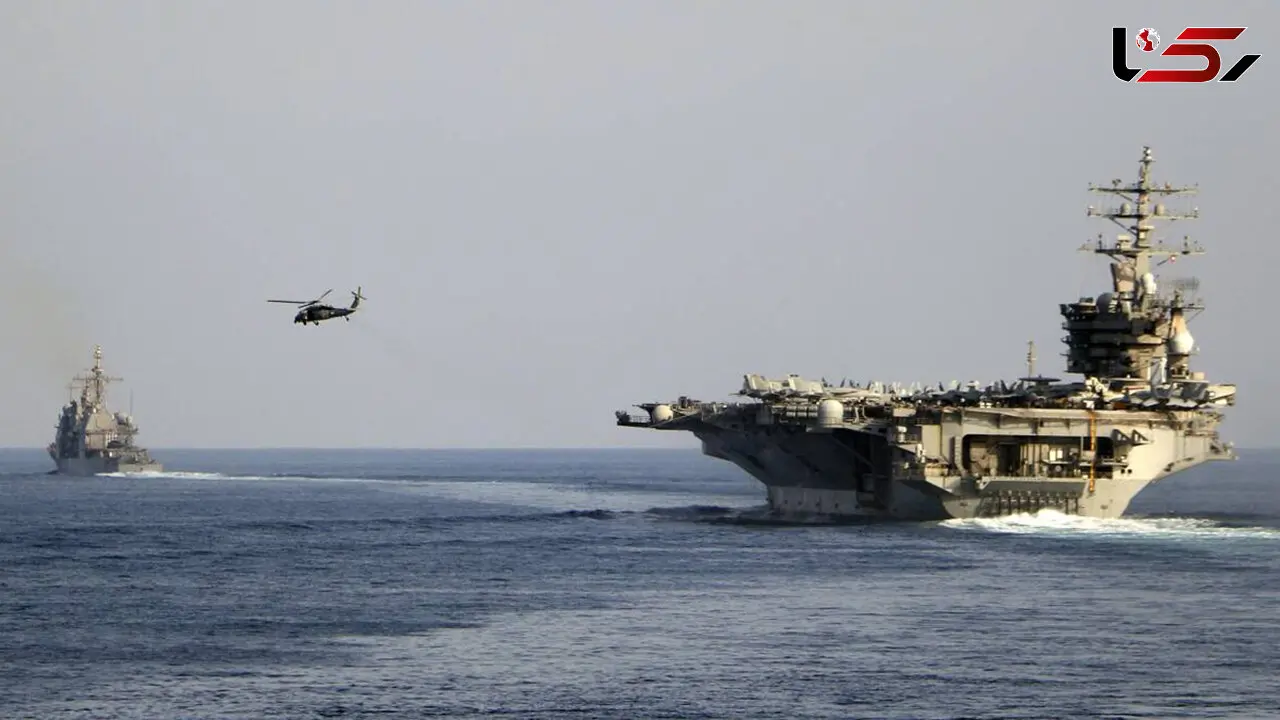
According to Rokna, citing The Gaurdian, posting on social media on Wednesday, the US president said the fleet, led by the aircraft carrier USS Abraham Lincoln, was larger than the armada deployed to Venezuela before the ousting of Nicolás Maduro earlier this month and was “ready to swiftly carry out its missions with speed and violence if required.”
Trump wrote: “Hopefully Iran will quickly come to the table and negotiate a fair and equitable deal – NO NUCLEAR WEAPONS – one that benefits all parties. Time is running out; it truly is of the essence.
“As I told Iran once before, MAKE A DEAL! They didn’t, and that led to ‘Operation Midnight Hammer,’ a massive destruction of Iran. The next strike will be far worse. Don’t let that happen again.”
The remarks marked Trump’s clearest signal so far that he is prepared to launch a military strike in the near future if Iran refuses to negotiate over the future of its nuclear programme. The message also highlighted a notable shift in the White House’s justification for deploying a carrier strike group to the region, moving away from outrage over the killing of protesters and refocusing on Tehran’s nuclear ambitions.
Earlier this month, Trump encouraged Iranians to continue protesting, telling them that “help is on its way,” but later retreated from that stance, saying “the killing has stopped.”
There has been speculation that Trump held back because the US lacked sufficient military assets in the region, Gulf states urged restraint, and Israel advised that it needed more time to prepare for potential Iranian retaliation.
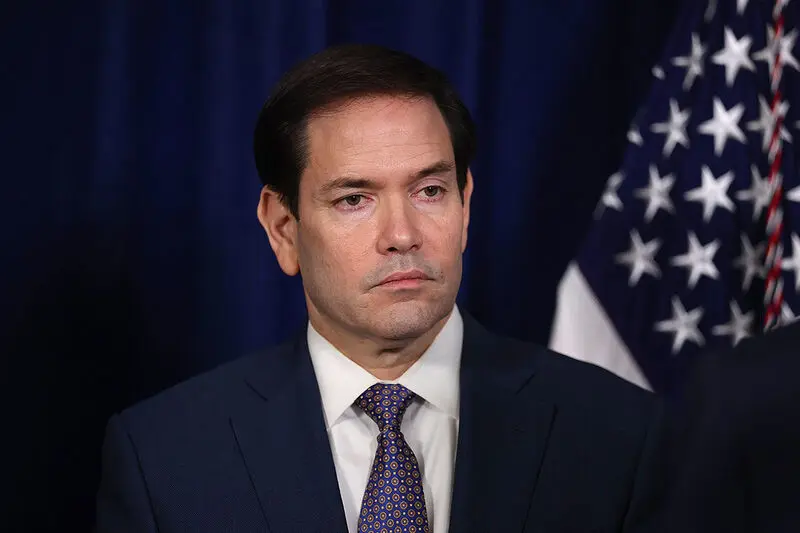
However, Rubio added that Iranian missiles and drones still posed a serious threat to US forces in the region.
“We need sufficient forces in the region,” Rubio said, “to defend against that possibility.”
He added that Trump would maintain a “pre-emptive defensive option” to strike Iran if there were signs it was preparing to attack US troops. “They certainly have the capability,” Rubio said, “having amassed thousands of ballistic missiles of their own making.”
European diplomats had been expecting tensions to escalate over the weekend and have observed signs of Israeli anxiety about the scale of possible Iranian retaliation.
In a social media post written in Hebrew, Ali Shamkhani, a senior adviser to Iran’s supreme leader Ali Khamenei, warned: “Any military action by America, from any source and at any level, will be regarded as the start of a war. The response will be immediate, comprehensive and unprecedented, targeting the aggressor, the heart of Tel Aviv and all its supporters.”
Gulf states and Turkey have been in contact with both Washington and Tehran in an effort to find common ground, but Iran has said it will not negotiate under pressure or accept preconditions.
Trump’s special envoy, Steve Witkoff, said at the World Economic Forum in Davos that an agreement with Iran should be achieved. He told CNBC: “The deal clearly involves missiles, enrichment, non-state proxies, and Iran’s stockpile of nuclear material.”
In recent days, it has become clear that Trump is seeking not only to further restrict Iran’s already weakened nuclear programme, but also to curb its long-range missile capabilities, long viewed as central to Iran’s military power. Trump has also suggested in recent weeks that Khamenei should exit the global stage, a demand Iran is expected to reject.
Some observers believe the sudden escalation may serve as a distraction while Trump faces domestic political pressure over violence by homeland security officers in Minnesota.
Iran’s mission to the United Nations said: “The last time the US blundered into wars in Afghanistan and Iraq, it squandered $7 trillion and lost more than 7,000 American lives. Iran is ready for dialogue based on mutual respect and interests, but if forced, it will defend itself and respond like never before.”
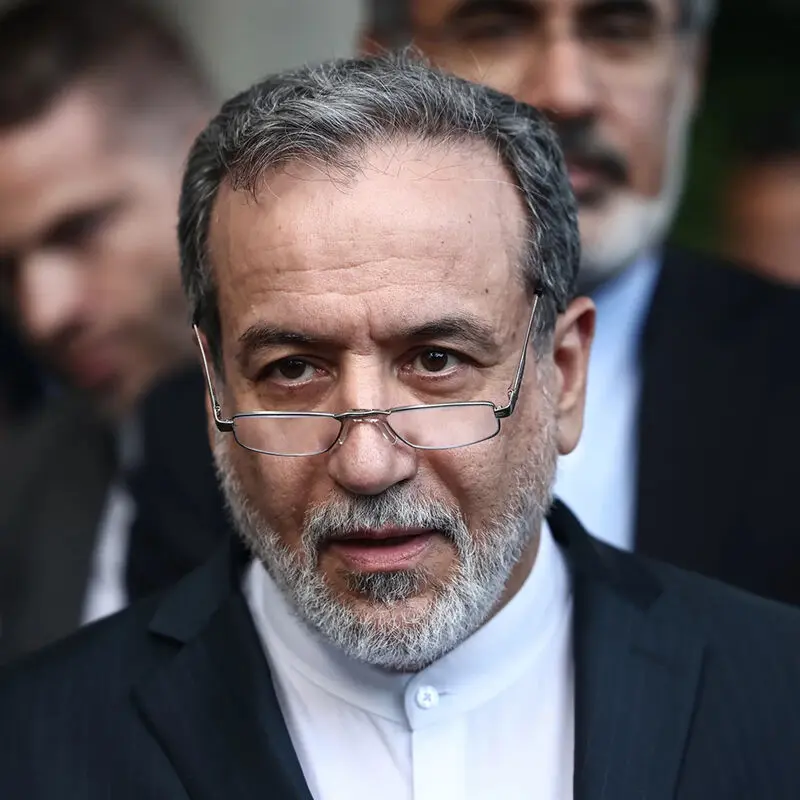
Iranian foreign minister Abbas Araghchi said he would not negotiate under threats but remained open to talks without preconditions, a position he said had been conveyed to Witkoff through multiple intermediaries.
“Our brave Armed Forces are prepared, with their fingers on the trigger, to respond immediately and forcefully to ANY aggression against our land, air or sea,” Araghchi wrote on X on Wednesday night.
“At the same time, Iran has always welcomed a fair, equitable and mutually beneficial NUCLEAR DEAL — on equal footing and free from coercion — that guarantees Iran’s right to PEACEFUL nuclear technology and ensures NO NUCLEAR WEAPONS.”
Over the past 24 hours, Araghchi and Iranian president Masoud Pezeshkian have spoken with diplomats from Saudi Arabia, Qatar and Egypt.
All three Arab states are urgently exploring ways to restart negotiations without Iran having to accept pre-set outcomes. They previously played a key role in persuading Trump to refrain from launching an attack three weeks ago, but Trump now appears to have greater military flexibility and is increasingly focused on a nuclear agreement rather than punishing Iran for its violent crackdown on protests.
There remains deep mistrust in Tehran toward negotiations with Washington, particularly since talks were under way last June when Israel, with US approval, launched an attack on Iran aimed at decapitating its leadership and destroying civilian nuclear facilities.
Turkey’s foreign minister, Hakan Fidan, urged the US to separate its broader demands on Iran’s missile programme and regional militia support from the nuclear negotiations, warning that Iran would likely refuse talks if all issues were presented simultaneously.
Trump has insisted Iran must abandon domestic uranium enrichment, allow UN nuclear inspectors to return, and transfer its stockpile of highly enriched uranium to a third party, most likely Russia. Iran has consistently rejected abandoning enrichment altogether, though it has expressed willingness to impose strict limits on its stockpile.
With nuclear facilities already hit, any future attack would likely focus on Iran’s leadership. The June assault demonstrated Israel’s near-total control of Iranian airspace.
Most Gulf states, fearing Iranian retaliation, have said they will not permit the US to use their airspace or bases for an attack on Iran.
Iranian officials said: “We will strike the same base and the same point from which air operations against us are launched. We will not target countries we do not consider enemies. We will raise our defensive readiness against the US military buildup to the highest level. If the Americans seek negotiations without predetermined outcomes, Iran will accept."