

Europe Accused of Fueling Putin’s War in Ukraine Through Russian LNG Imports
Rokna Political Desk: European governments have been accused of supporting Vladimir Putin’s war in Ukraine as new data indicates that last year the Kremlin earned an estimated €7.2 billion from exporting liquefied natural gas to the European Union. Despite Brussels’ commitment to ban imports of Russian LNG by 2027, shipments to European ports actually increased over the past year.
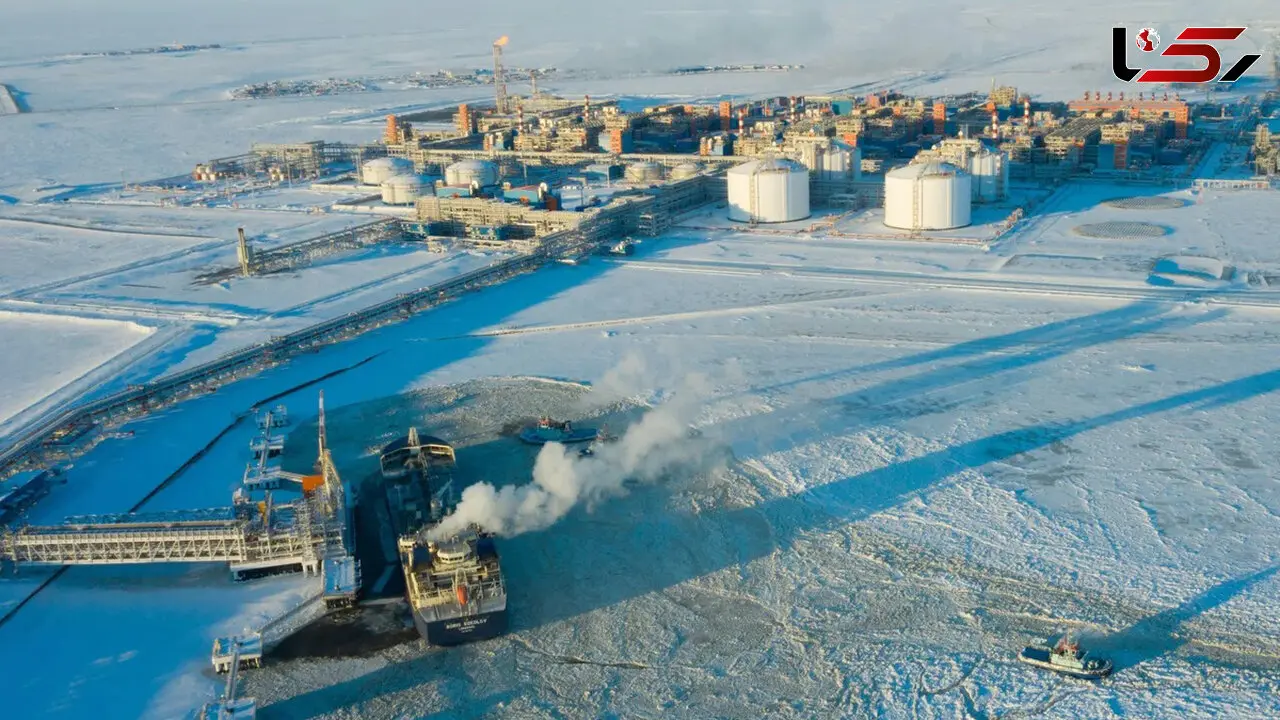
According to Rokna, citing The Guardian, liquefied natural gas, which is supercooled to facilitate transport, continues to flow from Russia’s Yamal LNG complex on the Siberian peninsula. Human rights organization Urgewald reported that more than 15 million tonnes of Yamal LNG were shipped through Arctic ice to EU terminals in 2025, generating around €7.2 billion in revenue for Russia.
While Europe has reduced its supply of pipeline gas from Russia following the full-scale invasion of Ukraine, the EU’s share of global Yamal LNG shipments rose to 76.1 percent in 2025, up from 75.4 percent in 2024. These imports remain legal, and the EU has been hesitant to ban Russian LNG, largely due to energy dependence in Central and Eastern Europe.
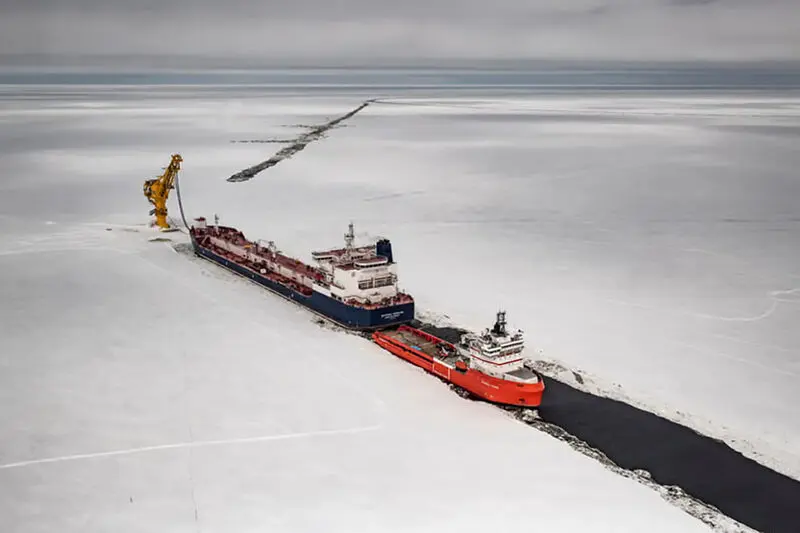
Two European shipping companies provide the logistical backbone for Yamal LNG: Seapeak, based in the UK, and Greece’s Dynagas. Analysis shows that Seapeak transported 37.3 percent of Yamal LNG shipments, while Dynagas handled 34.3 percent. Of the fourteen specialized Arc7 ice-breaking tankers used for transporting LNG from Yamal, eleven are owned by Seapeak and Dynagas. The UK has announced plans to ban maritime services for vessels carrying Russian LNG later this year.
Sebastian Rötters, an energy and sanctions campaigner at Urgewald, said: “While Brussels celebrates agreements to phase out Russian gas, our ports continue to act as the logistical backbone for Russia’s largest LNG terminal. Every cargo unloaded at an EU port contributes directly to the war effort in Ukraine. We must end this support and close the Yamal loophole immediately.”
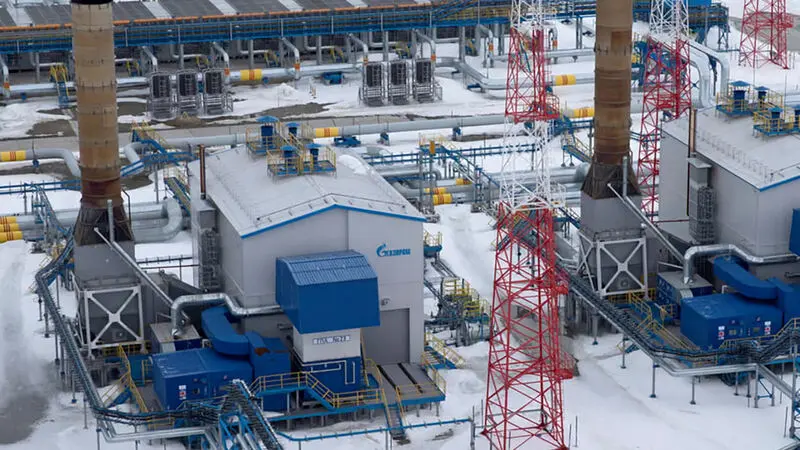
The Yamal plant relies on access to EU ports and the specialized Arc7 tankers, which were built specifically for this project. Without European ports such as Zeebrugge in Belgium, ships would face much longer transport routes. In 2025, 58 ships delivered 4.2 million tonnes of LNG to Belgium, compared with 51 ships delivering 3.6 million tonnes to China. France received 6.3 million tonnes through its ports in Dunkirk and Montoir, making it the largest EU importer. TotalEnergies, a major French energy company, remains a significant investor in the Yamal project.
Access to European ports allows the ice-class tankers to quickly return to the Arctic for more shipments, avoiding weeks-long voyages to Asia.
Send Comments