

Deadly clashes erupt again between Syrian forces and Kurdish fighters in Aleppo
Rokna Political Desk: Deadly clashes erupted once again in the northern Syrian city of Aleppo as fighting between government forces and Kurdish fighters intensified, leaving civilians killed and wounded amid stalled efforts to integrate Kurdish-led forces into the national army.
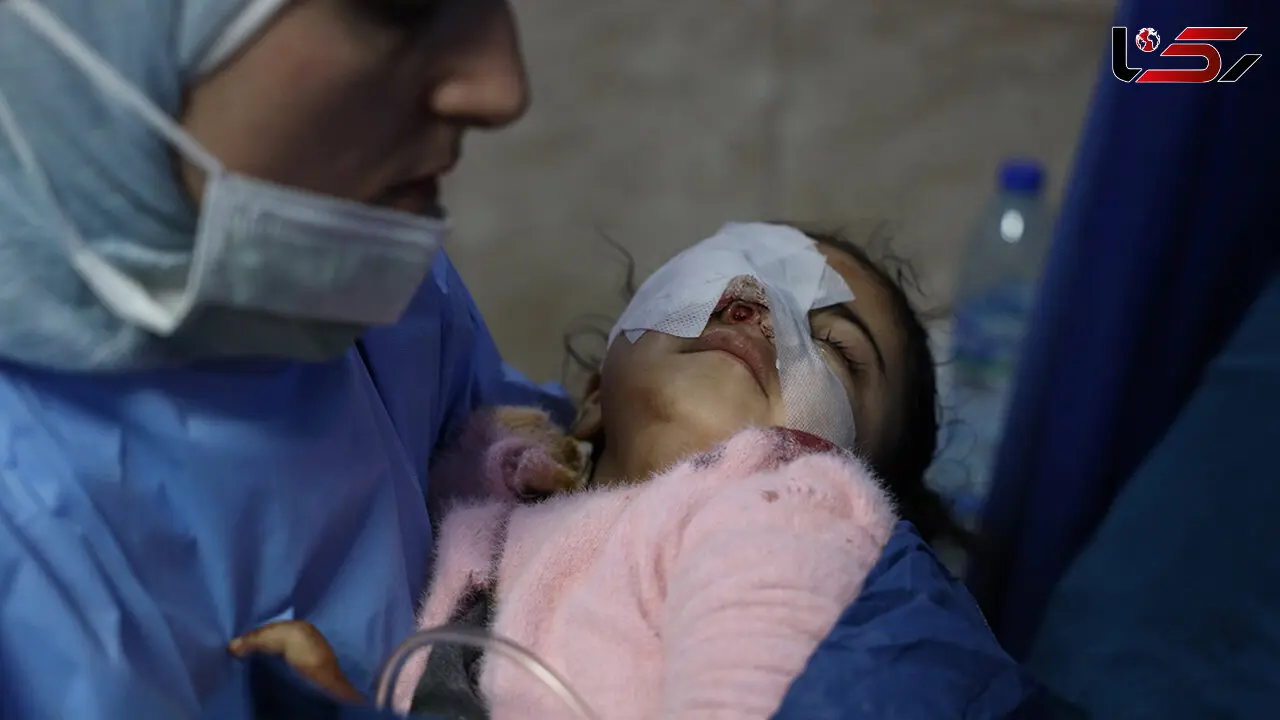
According to Rokna, citing NBC News, at least three civilians, including two women, were killed, while others were injured, among them two children, Syrian state television reported. The most serious clashes to date erupted on Tuesday between Syrian government forces and Kurdish fighters in a disputed area of the northern city of Aleppo, as attempts to integrate the U.S.-backed Syrian Democratic Forces into the national army have made little headway.
Syria’s state news agency SANA said one soldier was killed and three others wounded in an attack carried out by the SDF. State television later reported that shelling of a residential area, which it attributed to the SDF, killed three civilians, including two women, and wounded several others, including two children. SANA also reported that nine employees of the Aleppo Directorate of Agriculture were injured when SDF shelling struck the agency’s offices.
In a statement, the SDF denied responsibility for the shelling that killed civilians, saying a projectile fired by “factions affiliated with the Damascus government” landed in the al-Midan neighborhood. According to the SDF, the intended target was the nearby Kurdish neighborhood of Sheikh Maqsoud.
“This indiscriminate shelling represents a direct assault on residential areas and puts civilian lives at serious risk,” the statement said.
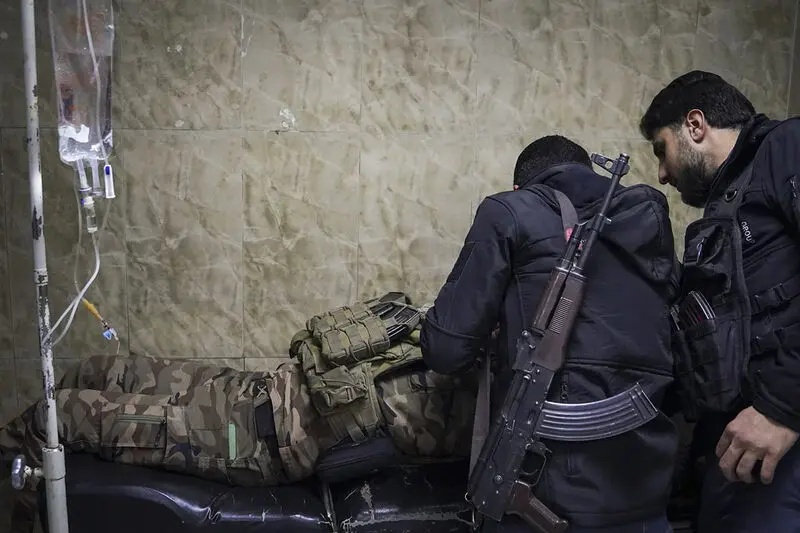
Civilians trapped amid heavy fighting
The SDF also said a drone strike carried out by government forces killed one resident of Sheikh Maqsoud and wounded two children, while shelling in the nearby Bani Zaid neighborhood killed a woman and injured dozens more. These incidents were not mentioned by state media.
At Al-Razi Hospital in Aleppo, which received several of the wounded, Ahmad Abu Sheikh waited anxiously to see his four-year-old daughter, Fatima, who remained in surgery for hours after being struck by shrapnel. He said she lost an eye.
“I just want to know what I can tell my daughter when I see her. Where did her eye go?” he said.
Afrin Jawan, a civil society activist in Sheikh Maqsoud, said in a message that thousands of civilians were trapped in Kurdish neighborhoods and subjected to indiscriminate shelling with various heavy and medium weapons by factions linked to Syria’s Defense Ministry in Damascus.
The largely Kurdish neighborhoods of Sheikh Maqsoud and Achrafieh have experienced sporadic clashes in recent months, with earlier fighting ending in ceasefire agreements. By Tuesday evening, a fragile calm had returned, though clashes resumed again within hours.
Challenges in integrating Kurdish forces
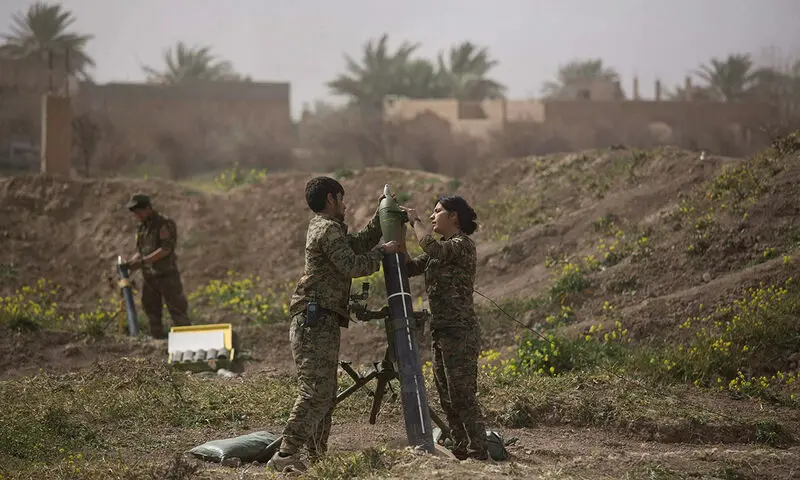
The SDF, which fields tens of thousands of fighters, remains the primary force slated for integration into Syria’s military. Damascus, under interim President Ahmad al-Sharaa, signed an agreement in March with the SDF — which controls much of northeastern Syria — to merge it into the Syrian army by the end of 2025. However, disagreements persist over the mechanism for implementation. In April, dozens of SDF fighters withdrew from Sheikh Maqsoud and Achrafieh as part of the agreement.
Representatives of the central government and the SDF met again on Sunday in Damascus, but officials said the talks produced no concrete progress.
Several factions that now make up the restructured Syrian army — formed after the overthrow of former President Bashar Assad in a rebel offensive in December 2024 — were previously Turkish-backed groups with a long record of fighting Kurdish forces.
For years, the SDF has been Washington’s primary partner in Syria against the Islamic State group. Turkey, however, considers the SDF a terrorist organization due to its ties with the Kurdistan Workers’ Party (PKK), which has waged a prolonged insurgency in Turkey, though a peace process is currently underway.
Both the Syrian government and the SDF have accused each other of attempting to undermine the March agreement.
“The SDF once again demonstrates that it does not recognize the March 10 agreement and is seeking to sabotage it by dragging the army into an open confrontation of its own choosing,” Syria’s Defense Ministry said in a statement on Tuesday.
The SDF, for its part, accused government forces of committing a “clear violation of international humanitarian law” by targeting residential areas, describing the attacks as “planned and deliberate, systematically aimed at infrastructure and essential services, including water and electricity.”