

Trump Tells WSJ He Takes Higher Daily Dose of Aspirin Than Doctors Recommend in Extensive Health Interview
Rokna Political Desk: President Donald Trump told The Wall Street Journal in an interview published Thursday that he takes a higher dose of aspirin than his doctors recommend, attributing the visible bruising on his hands to the regimen and sparking renewed questions about his health.
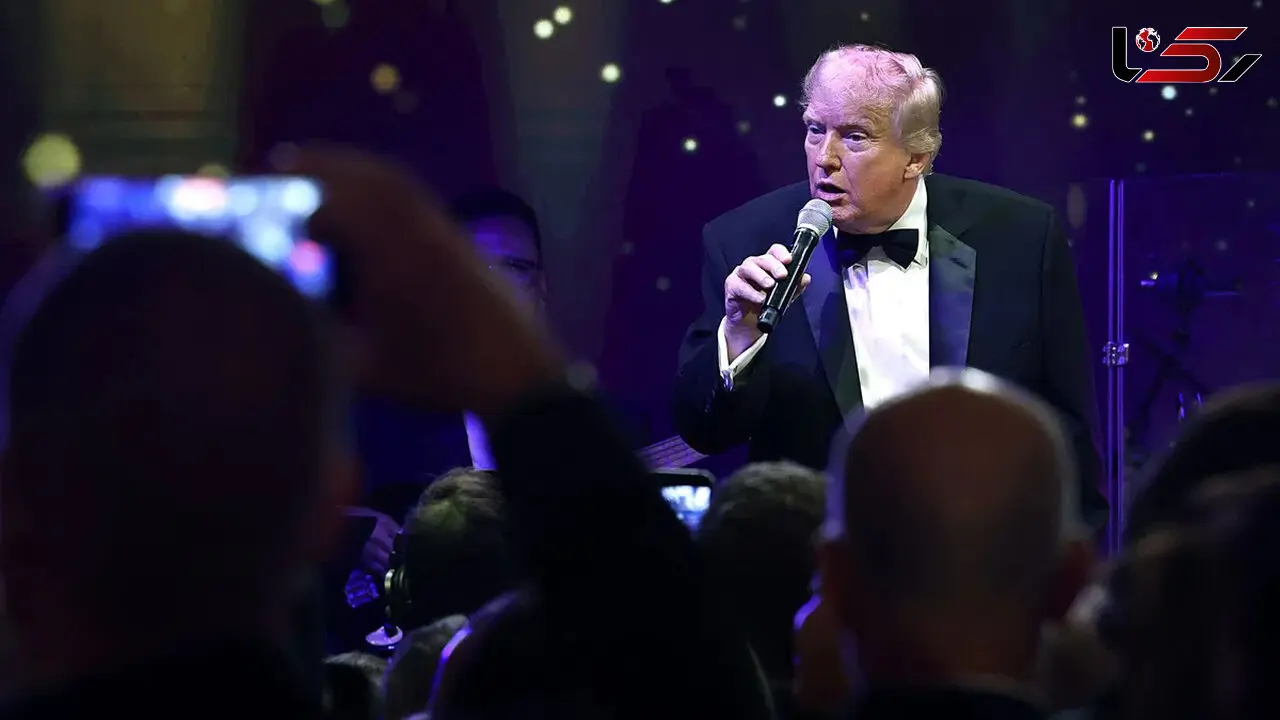
“They say aspirin is good for thinning the blood, and I don’t want thick blood flowing through my heart,” Trump, 79, explained. “I want nice, thin blood flowing through my heart. Does that make sense?”
“They’d prefer I take the smaller dose,” he added. “I take the larger one, and I’ve done it for years. What it does is it causes bruising.”
According to Rokna, citing CNN, the interview is one of the most in-depth discussions Trump has had with journalists about his health, amid increased scrutiny over his age, fitness for office, and transparency regarding medical information. Trump has long exhibited bruising on his right hand, which CNN reported predates his return to the White House. The marks drew greater attention after he began covering them with heavy makeup, bandages, and by shielding them from cameras with his other hand. Observers have also expressed concern over swelling in his legs and his occasional dozing during public events.
Trump’s physician, Dr. Sean Barbabella, told the Journal that the president takes 325 milligrams of aspirin daily. According to Mayo Clinic, a low dose of aspirin, which “can help prevent heart attack or stroke,” generally ranges from 75 to 100 milligrams, with 81 milligrams commonly recommended. The Mayo Clinic also notes that for aspirin therapy, the daily dose “is usually between” 75 to 325 milligrams.
Aspirin helps thin the blood, which can prevent clot formation, but it carries the risk of excessive bleeding. In recent years, medical guidelines have stopped recommending daily aspirin for many adults, as risks may outweigh benefits, and some experts suggest discontinuing therapy entirely for patients in their 70s.
Dr. Jonathan Reiner, a cardiology professor at George Washington University and longtime physician to former Vice President Dick Cheney, said the latest revelations from Trump and his team raise more questions than they answer.
“It’s unusual to see bruising like that from one aspirin a day,” Reiner said. “My question is, ‘Does the president take any medications that haven’t been disclosed by the White House?’”
Barbabella said Thursday that Trump “remains in exceptional health.”
“President Trump’s medical evaluations and lab results continue to demonstrate excellent metabolic health and reveal that his cardiovascular system is 14 years younger than his age. Overall, the President remains in exceptional health and fully capable of executing his duties as Commander in Chief,” he said in a statement to CNN.
Over the past week, Trump — who last year became the oldest president to take the oath of office — appeared with discoloration or light bruising on the back of his left hand, in addition to the persistent bruising on his right hand, visible for months. The White House previously attributed the right-hand bruising to frequent handshakes and a regular aspirin regimen.
Reiner noted that 325 milligrams of aspirin per day is not an unusually high dose, but there is no medical necessity to take that much daily. “For instance, someone with a sprained ankle might take 325 milligrams every four hours — that would be considered a high dose,” he said.
“Aspirin has been studied in various dosages, and 81 milligrams is used because it offers the best balance between clot prevention and bleeding risk,” Reiner added. “In other words, 325 milligrams increases bleeding risk without improving effectiveness. So we generally avoid that.”
“The main issue here is transparency. These details highlight how opaque the White House has been regarding the president’s health,” he added.
Trump also discussed a scan he underwent in October, previously described as an MRI. At the time, he gave few details and directed reporters to ask his doctors. When asked by the Journal, Trump clarified it was not an MRI but a CT scan. “It wasn’t an MRI; it was less than that. It was a scan,” he said.
Barbabella confirmed the CT scan was conducted “to definitively rule out any cardiovascular issues.” Last month, he released a memo stating that the October imaging of Trump’s cardiovascular and abdominal systems showed “perfectly normal” results. In 2018, a coronary CT scan had revealed some plaque buildup, indicating moderate heart disease.
White House press secretary Karoline Leavitt defended the administration’s transparency regarding Trump’s testing. “The President’s physicians and the White House have always maintained that the President received advanced imaging,” she said. “Additional details have been disclosed by the President himself, as he continues to be the most transparent and open president in history, with nothing to hide,” she added, criticizing Trump’s predecessor, Joe Biden.
Trump also addressed steps he has taken to treat other conditions, including lower-leg swelling attributed to chronic venous insufficiency. He told the Journal he tried compression socks but “didn’t like them” and is not inclined toward regular exercise.
“I just don’t like it. It’s boring. Walking or running on a treadmill for hours isn’t for me,” he said.
Regarding his occasional dozing during public events and his hearing, Trump defended himself. He explained that closing his eyes briefly is “very relaxing” and that he only struggles with hearing when “there’s a lot of people talking.”
Before and after his election, Trump questioned Biden’s fitness to serve, alleging that the president was unaware of certain actions signed using the autopen, which Biden denies. Biden later withdrew from the 2024 race after a poor debate performance, which fueled concerns about his health and fitness for office.