

Israeli Official: The Middle East Is More Complicated Than Ever
Rokna Political Desk: Despite two years of war and turmoil in the Middle East, unique opportunities have emerged for positive developments in Gaza, Lebanon, Syria, and Iran; yet, the risk of losing these opportunities due to mismanagement still remains.
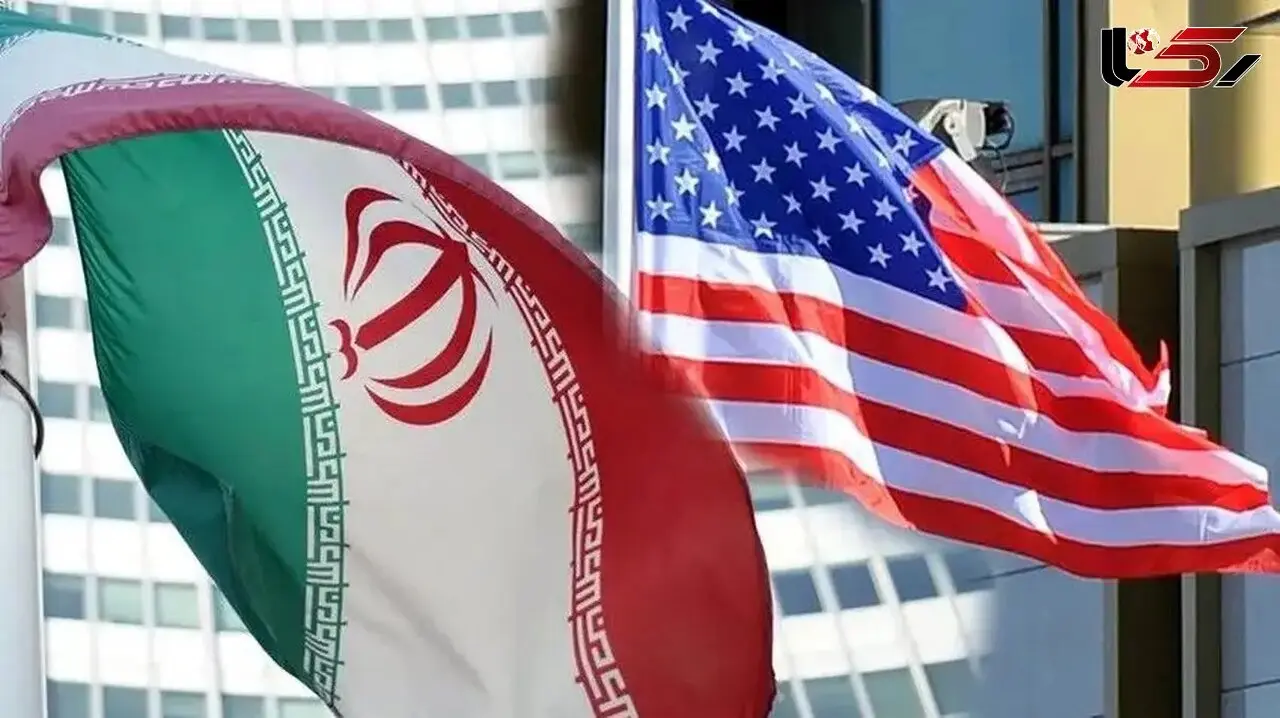
The past two years of war have brought death and destruction to the Middle East, but at the same time created rare opportunities for change in Gaza, Lebanon, Syria, and Iran. Unfortunately, these opportunities may be squandered due to mismanagement and delays by the United States, Israel, and Arab governments. A senior Israeli military official told me this week: “Everything is stuck.”
According to Rokna, citing The Washington Post, he warned that since diplomats have been unable to capitalize on the turmoil in Iran and its allies, “all the fronts of the Middle East are still open.” Analysts tell me that Hamas still controls about half of Gaza — where nearly 85 percent of the population lives. Trump’s peace plan called for the formation of an “international stabilization force” to disarm Hamas and the creation of a “peace commission” to oversee a massive reconstruction project.
But for now, the prospect of a revitalized post-war Gaza is merely an illusion. What is the problem? Countries that had volunteered to join this international force — such as Indonesia and Azerbaijan — are backing away, and donor countries are unwilling to begin reconstruction projects until security is established.
Jared Kushner, Trump’s son-in-law and one of his envoys for Gaza, has proposed building “alternative safe communities” in the area under Israeli military control, hoping that such an attraction would draw Palestinians there. A chance to revive Trump’s Gaza peace effort may arise this week, when Mike Waltz, Trump’s ambassador to the United Nations, travels to Israel and Jordan.
Waltz resigned from his position as national security adviser in May due to a minor controversy involving the use of the private messaging app Signal, but he is one of the most effective officials in the administration and may be able to restart the stalled Gaza peace process.
Lebanon is the second missed opportunity; however, this opportunity too can be salvaged with some effort. Israeli strikes broke Hezbollah’s iron grip on the Lebanese government.
This gave the country a chance to regain its sovereignty; and with some pressure from the Biden administration, it succeeded and elected Joseph Aoun, the army commander, as president. But to fully realize this achievement, Lebanon must behave like a sovereign state — meaning it must disarm Hezbollah and reclaim the monopoly on force. Unfortunately, Lebanon has failed this test. Aoun has only disarmed Hezbollah south of the Litani River, and not in the north, as had been promised by the end of the year.
Israel is striking Hezbollah targets, but this is merely a repetition of the old “mowing the grass” policy. Israel needs a real state in Lebanon, just as much as the Lebanese themselves do. Lebanon has finally realized that perpetual conflict with Israel is foolish. Aoun said in October, after the Gaza ceasefire: “Today, the overall atmosphere is one of reconciliation, and negotiations are necessary.” Robert Satloff, executive director of the Washington Institute, believes that Lebanon’s peace talks with Israel now represent “a real opportunity.” But Israel, which claims it seeks peace with all its neighbors, is refusing. Israel must accept this “yes.”
Iran is the fortress of the Middle East’s status quo and was heavily attacked by Israel and the United States during the 12-day war in June. Trump established a ceasefire there as well. But he did not follow this victory with a diplomatic agreement — one that could have limited Iran’s military power in exchange for economic assistance the country urgently needs. The opportunity is now knocking on the door of U.S.–Iran negotiations.
A source close to the Saudis told me that quiet talks with Iran are underway through Saudi, Omani, Emirati, and Qatari envoys to determine whether serious dialogue with the United States is possible. Trump’s ambition as a peace-maker is endless. When meeting the Crown Prince, he said: “Iran wants to make a deal… I am completely open to that.” Trump’s problem is that he is juggling too many diplomatic balls at once, and some of them are inevitably going to fall. This is exactly what happened after the Gaza peace agreement. He promised far more than he has delivered so far.