

Reasons for the Reduction of Tensions Between Iran and Israel: Why War Is Not on the Horizon
Rokna Political Desk: Contrary to media propaganda and the enemy’s psychological operations, evidence indicates a decreased likelihood of renewed war between the Israeli regime and Iran, reflecting a relative stabilization of tensions between the two sides.
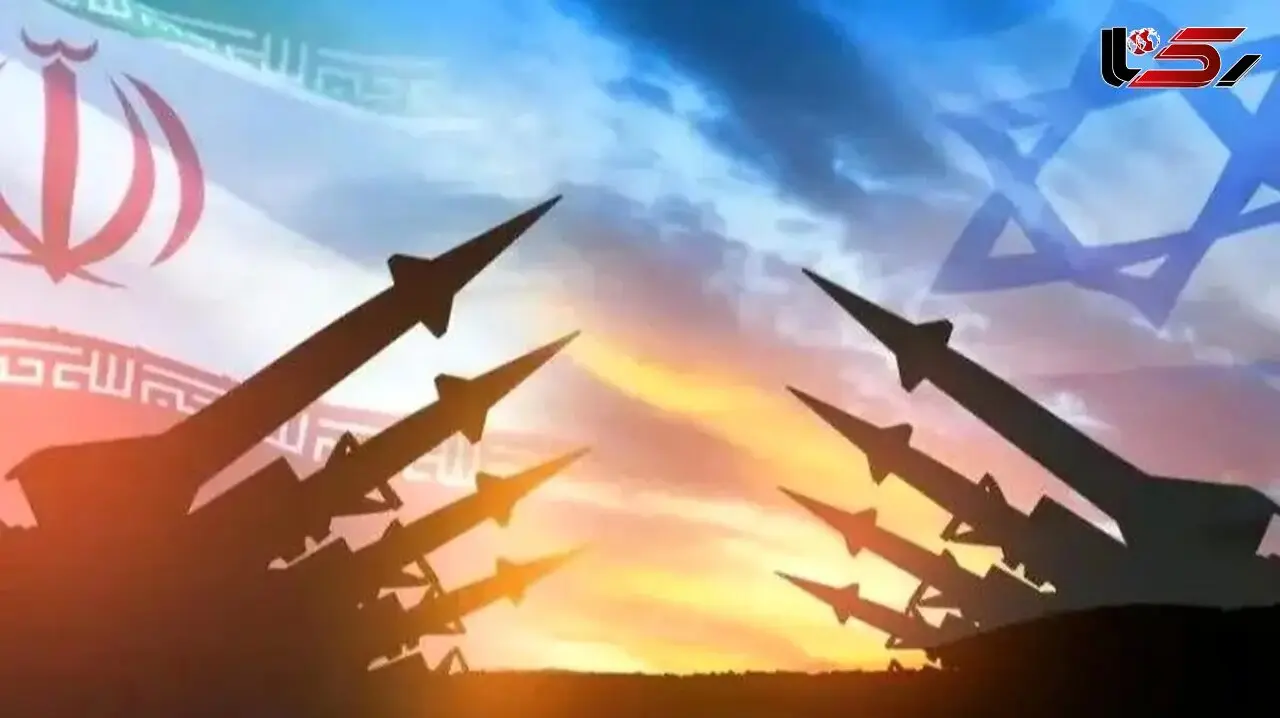
Mostafa Ghorbani wrote: Since the cessation of hostilities between the Israeli regime and Iran, the prevailing assumption was that a new round of conflict would soon commence. However, nearly six months later, although no new war has erupted, the opposing side continues to attempt, through media manipulation, to cast the shadow of war over Iran and keep developments in the country in a suspended state.
In reality, despite psychological operations and media maneuvers by the enemy, existing facts indicate that the likelihood of renewed war between Israel and Iran is low. The main reasons are as follows:
-
In the vast majority of wars, Israel’s domestic front has remained protected from destruction. Historically, Israel has employed strategies such as “bringing the war onto the rival’s territory” to preserve the security of the inhabitants of the occupied lands as a primary duty of its government and military. However, during the 12-day imposed war, Iran, through successful attacks, effectively demonstrated the fragility of Israel’s security and the survival of the regime to the residents of the occupied territories.
Thus, Israel would enter another war with Iran only if it could first ensure effective defense against Iranian attacks—a scenario that, given the power, speed, and precision of Iran’s missiles, is highly unlikely.
-
Compared to the period before the 12-day war, Iran’s defensive capabilities have grown significantly, and its readiness for renewed conflict with Israel is considerably higher. Accordingly, the vulnerability of Israel in relation to Iran has increased under current conditions.
-
Israelis have historically relied on their air superiority in all wars. Currently, due to the strengthening of Iran’s defensive and offensive capabilities, such an advantage is no longer guaranteed as it was during the 12-day war. Unlike other theaters where Israel has fought, Iran’s missiles can now counterbalance Israeli air attacks—a reality that, during the 12-day war, forced Israel toward submission, to the extent that a Zionist analyst admitted that had the war lasted another two weeks, Israel would have faced collapse.
-
During the 12-day war, Israel knew it could not achieve military dominance over Iran. Consequently, its multi-layered war strategy focused not on the military domain but on social factors, aiming to exploit public dissatisfaction in Iran to disrupt Iranian defense mechanisms.
On the first day of the war, the Israeli Prime Minister tweeted, urging the Iranian people to revolt against the Islamic Republic. However, alongside the Israeli offensive, no such internal upheaval occurred; instead, national solidarity and cohesion in Iran were reinforced. Therefore, the enemy’s multi-layered attack failed. Currently, Israelis still consider popular support within Iran a prerequisite for any successful decisive war against the country—a scenario that, given the Iranian people’s resilience, political awareness, and knowledge reserves, remains a mere dream for the Zionists.
-
Israelis cannot attack Iran until they achieve desired outcomes in other regional matters. A focal point in this regard is Lebanon, where Hezbollah has faced intense disarmament pressure in recent months, and, as the recent U.S. special envoy in the region admitted, military action alone cannot disarm Hezbollah.
Moreover, according to Israeli admissions, Hezbollah’s power reconstruction has largely been completed. Meanwhile, in Iraq, the success of resistance-supporting parties in securing parliamentary majorities suggests that the enemy’s plans there will also not materialize. In Gaza, despite a ceasefire announcement, Hamas continues its resistance. Therefore, contrary to Israeli intentions, the weakening of regional resistance networks has not been realized.
Additionally, the development of international cooperation with Iran after the cessation of war with Israel serves as a controlling variable, further reducing the possibility of renewed conflict between Israel and Iran. Based on these realities and assuming rational behavior by influential actors, the likelihood of renewed war between the Israeli regime and Iran is low.
Nevertheless, given the existential nature of the conflict and the fact that Israelis historically act unexpectedly against adversaries, Iran must continue to expand its comprehensive capabilities, particularly in the defensive domain, and maintain readiness levels that eliminate any potential for surprise by Israel.
Send Comments