

Reuters:
United States Seizes Oil Tanker off the Coast of Venezuela in Controversial Operation
Rokna Political Desk: In a controversial move, the United States has seized an oil tanker near the coast of Venezuela. The operation, led by the US Coast Guard, is part of newly intensified sanctions targeting oil tankers linked to Venezuela.
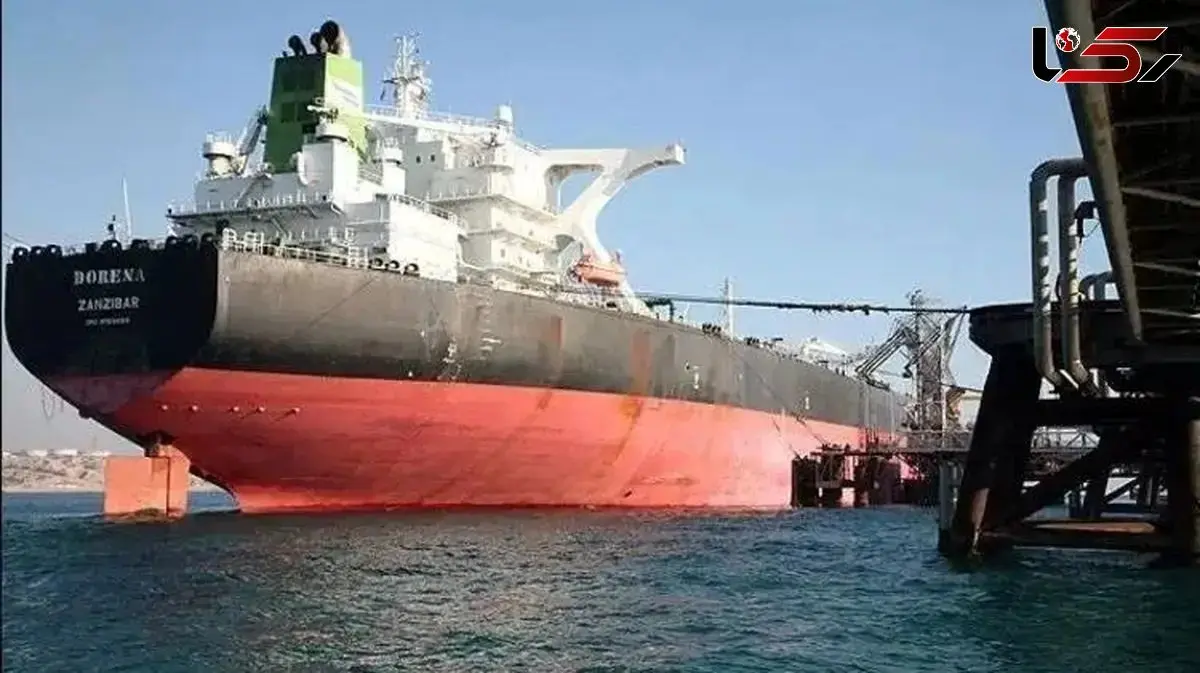
Three US officials told Reuters on Saturday that the United States is in the process of stopping and seizing a vessel in international waters near the coast of Venezuela, an action that comes just days after US President Donald Trump announced the imposition of a “blockade” on all sanctioned oil tankers entering or leaving Venezuela.
According to Rokna, this marks the second time in recent weeks that the United States has seized an oil tanker near Venezuela, amid a significant US military buildup in the region.
The officials, who spoke on condition of anonymity, did not disclose the exact location of the operation but said the US Coast Guard is leading the effort.
The Coast Guard and the Pentagon referred inquiries to the White House, which did not immediately respond to a request for comment. Venezuela’s Ministry of Petroleum and the state oil company PDVSA also did not immediately respond to requests for comment.
On Tuesday, Trump said: “I am ordering a complete and total blockade of all sanctioned oil tankers that enter or leave Venezuela.”
In the days following last week’s seizure of a sanctioned oil tanker off the Venezuelan coast by US forces, an effective full embargo has taken hold, with ships loaded with millions of barrels of oil remaining in Venezuelan waters rather than risk seizure.
Since the first seizure, Venezuela’s crude oil exports have dropped sharply.
While many vessels loading oil in Venezuela are under sanctions, others carrying Venezuelan oil as well as Iranian and Russian crude are not sanctioned. Some companies, particularly US-based Chevron (CVX.N), transport Venezuelan oil using authorized vessels.
China is the largest buyer of Venezuelan crude oil, accounting for about 4 percent of its total oil imports. Analysts have said that shipments in December were on track to average more than 600,000 barrels per day.
The oil market is currently well supplied, with millions of barrels of crude sitting on tankers off the coast of China awaiting discharge. If these sanctions remain effective for an extended period, the loss of nearly one million barrels per day of crude supply could push oil prices higher.
Since the United States imposed energy sanctions on Venezuela in 2019, traders and refiners purchasing Venezuelan oil have relied on a “shadow fleet” of tankers that conceal their locations, as well as vessels previously sanctioned for transporting Iranian or Russian oil.
Trump’s pressure campaign against President Nicolás Maduro has included an expanded US military presence in the region and more than two dozen military strikes on vessels in the Pacific Ocean and the Caribbean Sea near Venezuela, resulting in at least 100 fatalities.
Trump has also said that US ground attacks against the South American country will begin soon.
Venezuelan President Nicolás Maduro has claimed that the increased US military presence is aimed at overthrowing him and taking control of the oil resources of the OPEC member state, which holds the world’s largest proven crude oil reserves.
Send Comments