

US Obstruction Ahead of Geneva Talks / Iran’s Insistence on No Missile Negotiations Deemed a “Major Problem”
Rokna Political Desk: On the eve of the third round of Geneva talks with Iran, the United States raised threats regarding Iran’s missile program and described Tehran’s insistence on not negotiating in this area as a “major problem.”
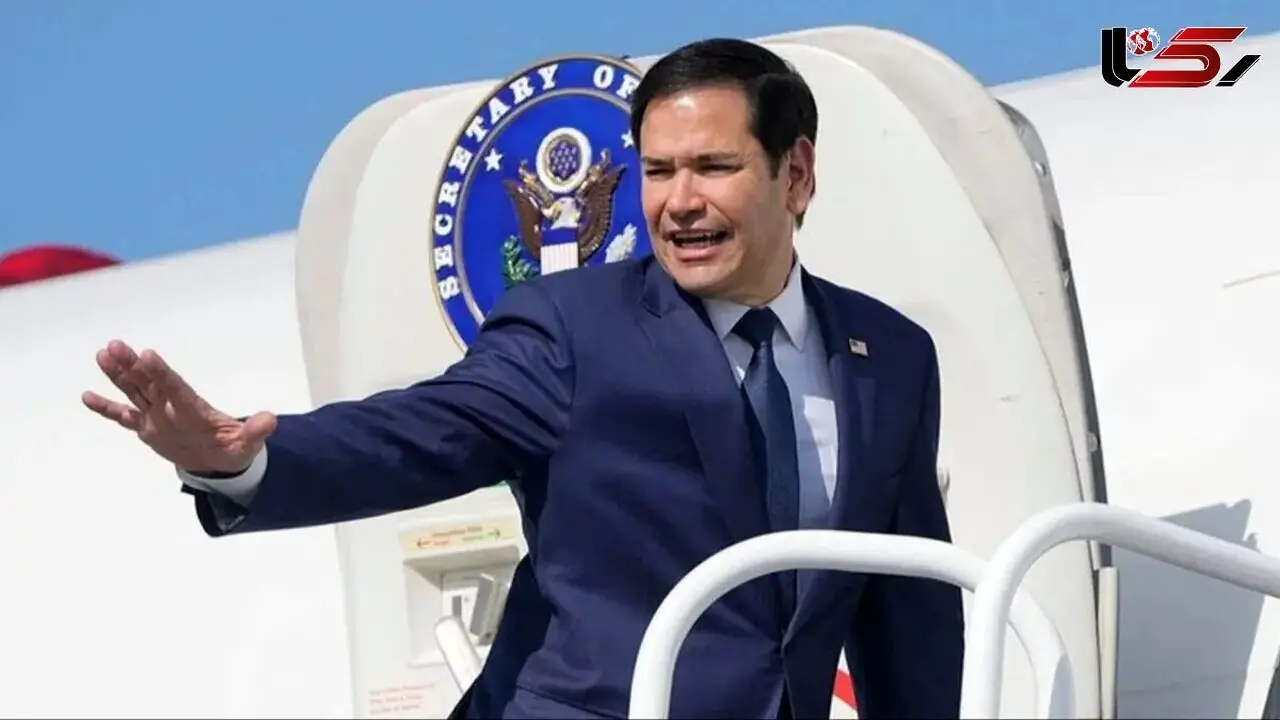
According to Rokna, US Secretary of State Marco Rubio emphasized on Wednesday evening, Washington time, that President Donald Trump seeks to reach an agreement with Iran. He also noted that the Geneva talks provide a unique opportunity to address issues related to Iran’s nuclear program and expressed hope for positive outcomes in this regard.
Iran and Its Missile Program: A Key Point of Contention
In the session, the US Secretary of State asserted that Thursday’s discussions with Iran are merely another opportunity for dialogue, claiming that Tehran continues to resist negotiations regarding its missile program, which he described as a “major challenge.” He further stated that Iran has not retreated from its decision to continue uranium enrichment.
Iran’s Missile Capability: Washington’s Concern
Rubio additionally described Iran as a “serious threat” to US interests, alleging that over the years the country has sought capabilities that endanger the security of the United States. According to him, Iran’s possession of large stocks of short-range ballistic missiles poses a threat to American bases in the region, including in the United Arab Emirates, Qatar, and Bahrain.
He also claimed that Iran’s naval capabilities represent a potential threat, stating that the country seeks to exert pressure on shipping routes and the US Navy in the region.
Ballistic Missile Development and Long-Term Concerns
Continuing on the subject of Iran’s missile and space activities, the US Secretary of State claimed that Tehran has initiated efforts to develop intercontinental ballistic missiles, viewing this as indicative of intentions that could threaten US security over the long term.
Iran’s Nuclear Program: Repetition of Washington’s Accusations
Rubio again alleged that Iran seeks to continue uranium enrichment and stated that the Islamic Republic’s nuclear programs extend beyond peaceful purposes. He claimed that underground facilities and high-level enrichment capacity serve as confirmation of Iran’s intent to pursue non-peaceful nuclear activities.
Indirect Talks: Efforts Toward an Agreement
The first round of indirect negotiations between Iran and the United States concluded on 6 February 2026, hosted in Muscat. During these discussions, the Omani Foreign Minister acted as a mediator, conveying the issues raised by both parties.
The second round of nuclear talks was held on 17 February 2026 in Geneva. Similar to the first round, these negotiations were indirect and conducted with Omani mediation. The latest round of these talks is scheduled to continue today in Geneva, Switzerland.
Send Comments