

Hidden Objectives of Israel Against Iran: Security Analysis
Rokna Political Desk: A security and international affairs expert emphasized that Israel seeks to weaken Iran and ultimately topple its governance by influencing various Iranian ethnic groups, leveraging the military support it receives from the United States.
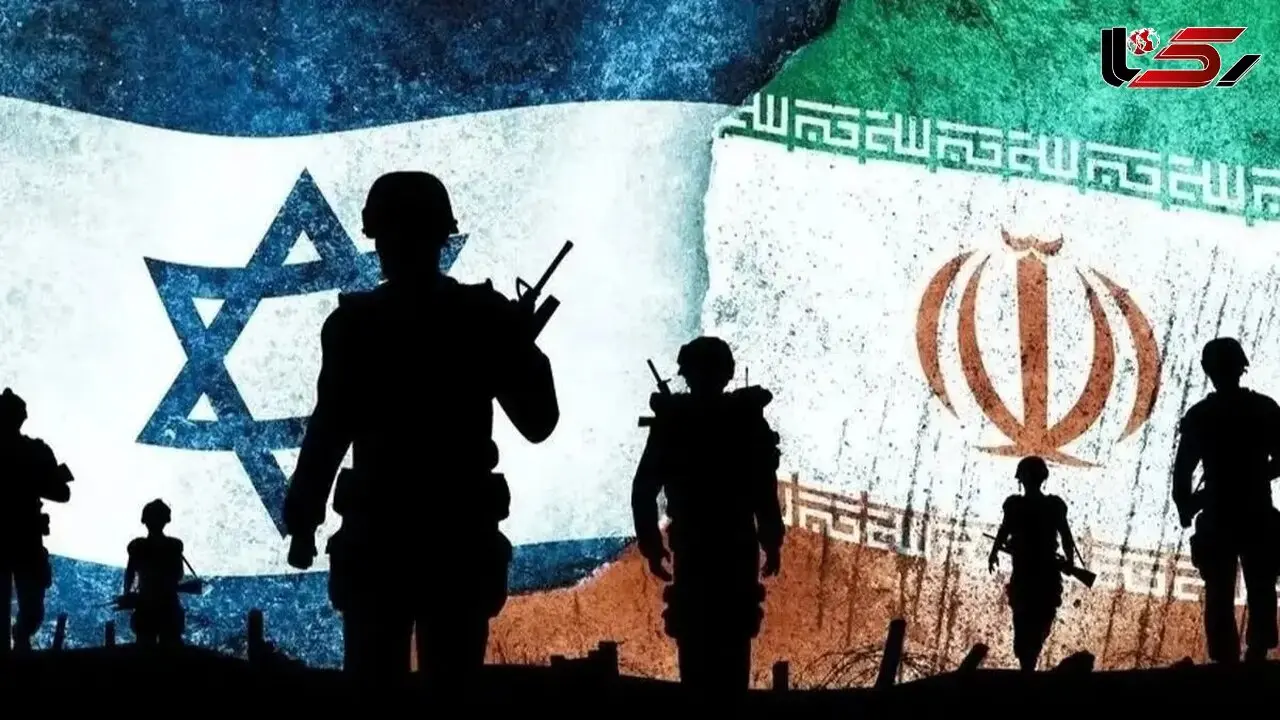
Seyed Ali Hosseini, a security and international affairs analyst, stated that Iran has addressed a significant portion of the vulnerabilities exposed during the 12-day war and has developed new defensive and offensive plans.
According to Rokna, the full interview with Seyed Ali Hosseini follows:
Recently, there have been numerous reports about increased US arms support to Israel. What is the reason behind this assistance?
The United States has been a consistent supporter of Israel since its establishment, providing billions of dollars in aid over the years. Considering that Israel is currently engaged on multiple fronts – Gaza, Lebanon, Syria, parts of Iraq, Yemen, and Iran – it is natural that military support would increase.
Another purpose of this support is to utilize international media to exert psychological and economic pressure on Iran and the Resistance Axis countries.
What, in your view, was the basis for Israel’s recent attacks on Iran?
The United States and Israel entered this conflict with a precise 20-year plan, and Israel conducted operations according to a predefined strategy. Initially, it targeted Iran’s air defense systems using drones to test their capabilities. Once the necessary assessment was completed, the scope of attacks was expanded.
During the 12-day war, cyber operations disrupted large portions of Iran’s integrated air defense, immediately followed by main operations. However, Iran was able to rapidly restore its air defenses, which took Israel and the US by surprise.
They are aware that these attacks cannot topple Iran; therefore, in potential future scenarios, they are likely to target critical infrastructure such as refineries, power plants, and water networks to create public dissatisfaction – a reality fully recognized by Iranian officials.
Iran must also send a clear message to neighboring countries that the use of their territories by Israel or the US against Iran will not go unanswered.
How is the post-October 7 war related to Israel’s domestic politics and Netanyahu?
A significant aspect of this war stems from internal political competition in Israel. Netanyahu aims to prolong conflicts to maintain his hold on power and distract from his legal issues.
It is likely that he will expand tensions to Yemen, Iraq, certain areas of Syria, and particularly Lebanon, to preserve his position. Currently, the regional situation is closely tied to Netanyahu’s political fate, and as long as he remains in power, the shadow of war and instability will persist.
What is Israel’s ultimate goal regarding Iran?
Israel will only be satisfied when Iran’s government collapses and the country fragments into smaller units. To achieve this, it attempts to influence various Iranian ethnic groups:
-
In Sistan and Baluchistan, through Arab countries
-
Among Kurds and Pan-Turkists, via the Kurdistan Region and Azerbaijan
-
In Arab-populated areas, under the cover of Arab countries
The antidote to these efforts internally is governance that is democratic, transparent, and actively combats political and economic corruption.
How can Iran prevent the outbreak of war?
Iran must be active both domestically and internationally. Key strategies include:
-
Addressing intelligence, security, and military vulnerabilities exposed during the 12-day war
-
Identifying enemy weaknesses and focusing on them
-
Engaging in serious consultations with China, India, and Russia, and warning about the risks of instability in the Persian Gulf and threats to energy security
-
Utilizing diplomatic channels and international institutions to exert pressure on the US and Israel
-
Leveraging the Iranian diaspora in the US and Muslim communities to strengthen public diplomacy
If these strategies are pursued simultaneously and effectively, the likelihood of preventing a new war significantly increases.
What is Hezbollah’s current situation and future path?
Hezbollah’s arsenal is now largely defensive, focused on survival. Accepting US or Israeli conditions would be dangerous and could trigger a larger attack. The group must structurally strengthen itself and repair inflicted damages. Diplomacy should ensure Hezbollah retains its power without facing excessive international pressure, while maintaining enduring influence in Lebanon both militarily and politically.
What reforms has Iran implemented after the 12-day war, and what would it do in case of a new conflict?
Iran has remedied a substantial portion of the weaknesses revealed during the 12-day war and developed new defensive and offensive strategies.
In the event of a new war:
-
Missile capabilities would be deployed more extensively and effectively
-
Iran would not remain passive against countries that supported Israel and the US in the previous conflict
-
The conflict would not be limited to Iran and Israel but would involve the broader region
After the 12-day war, Iran has enhanced its defensive capabilities using Russian and Chinese military support. Its intelligence and security agencies have undergone significant restructuring and now appear better prepared and more precise.
However, the primary objective remains to prevent war using lessons learned from the previous conflict, defensive readiness, deterrent strength, and proactive diplomacy.
Send Comments